Home - Open-Records - 8 Popular Background Check Tools To Explore
8 Popular Background Check Tools to Explore

8 Popular Background Check Tools to Explore

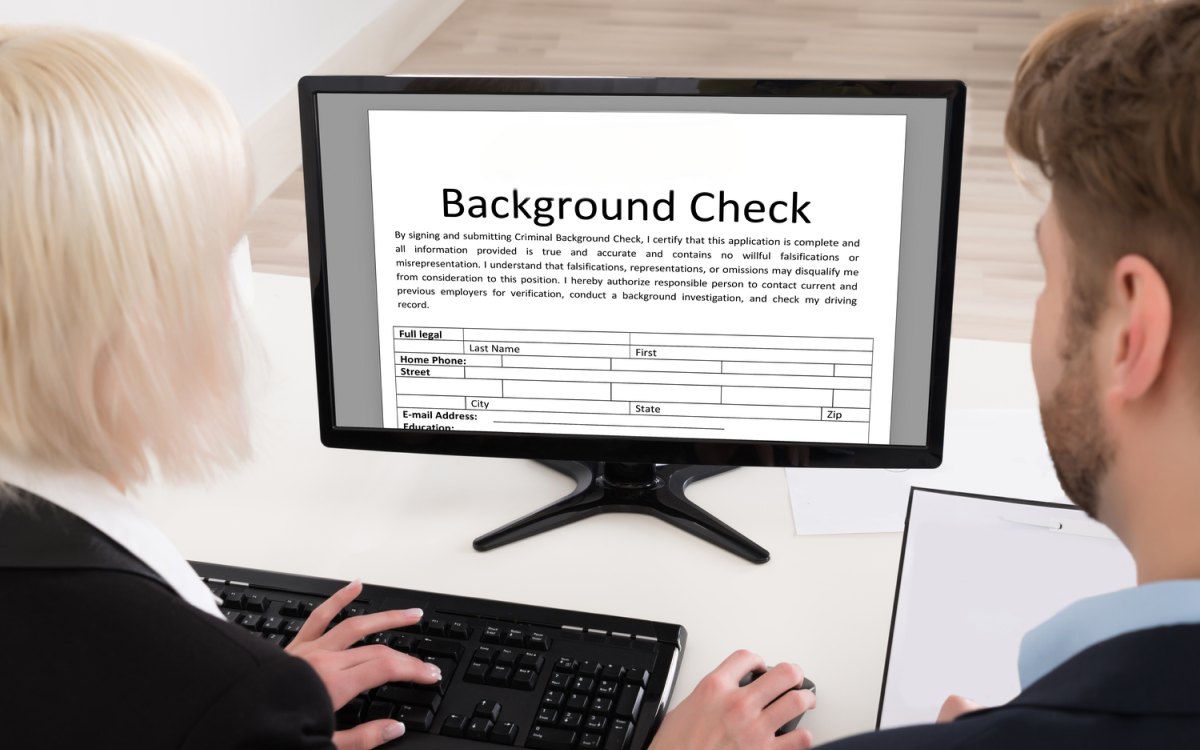
Background checks are no longer used only by large corporations or government agencies. Today, small businesses, landlords, gig platforms, healthcare organizations, and even individuals rely on screening tools to verify identities, reduce fraud, and make safer decisions. However, not every platform serves the same purpose. Some tools are built specifically for employers and follow strict federal hiring regulations, while others are designed for personal searches and public record lookups.

Choosing the right platform depends on what you need to verify, how quickly you need results, and whether you must comply with hiring laws such as the Fair Credit Reporting Act (FCRA). Below are some of the top U.S.-based background check tools and what makes each one stand out.

Why Choosing the Right Background Check Platform Matters

Before comparing providers, it is important to understand that background checks are heavily regulated when used for employment decisions. Employers must use FCRA-compliant screening companies that obtain candidate consent and provide dispute rights if inaccurate information appears on a report. Consumer-focused websites cannot legally be used for hiring decisions.

A startup hiring software engineers may prioritize speed and automation, while a hospital may need license verification and drug screening. Someone verifying an online seller or roommate may simply want access to public records.

Choosing the wrong platform can lead to compliance issues, inaccurate reports, and unnecessary expenses.

Checkr

Best for Fast-Growing Companies and Modern Hiring Teams

Checkr has become one of the most widely used employment screening tools in the United States, particularly among startups, gig economy companies, staffing firms, and large employers that hire at scale.

The platform offers criminal record searches, identity verification, motor vehicle records, employment verification, education checks, and drug screening. One of its biggest strengths is speed. Many standard reports are completed within one to three business days, making it appealing to companies that need to move quickly during recruitment.

Its automated workflows and integrations with platforms such as Greenhouse and Lever make it especially useful for HR teams managing large applicant pipelines.

GoodHire

Best for Small Businesses

GoodHire is often recommended for small and mid-sized businesses that want a straightforward platform without enterprise-level complexity. The service offers criminal screenings, education verification, employment checks, identity verification, and drug testing. It also helps employers manage important compliance tasks such as candidate consent forms and adverse action notices.

HireRight

Best for Large Corporations and Global Hiring

HireRight is commonly used by major corporations that hire across multiple states and countries. Its screening services include criminal records, international checks, employment verification, education verification, and professional credential screening. Large companies often choose HireRight because it can handle complex hiring needs while maintaining compliance across multiple jurisdictions.

Sterling

Best for Regulated Industries

Sterling is widely used in healthcare, financial services, education, and other industries with strict compliance requirements. The platform offers criminal checks, fingerprint screening, healthcare credential verification, identity verification, and ongoing monitoring services. Organizations handling sensitive personal data often choose Sterling because of its strong regulatory support.

First Advantage

Best for Enterprise-Level Customization

First Advantage serves large employers that need highly customized screening packages. Its services include criminal checks, education verification, employment verification, credit checks, drug testing, and international screenings. The platform screens millions of applicants annually and works with many major corporations. This tool is often best for companies with high-volume hiring needs.

Accurate Background

Best for Detailed Compliance Support

Accurate Background is another major U.S.-based screening provider that focuses heavily on compliance automation. It offers criminal checks, employment verification, education screening, drug testing, and integration with numerous applicant tracking systems. Many mid-sized and large businesses use it because it balances automation with strong compliance controls.

BeenVerified

Best for Personal SEearches

This tool is designed for personal use rather than employment screening. People often use it to verify online sellers, reconnect with old contacts, check unknown phone numbers, or review public records. It may provide address history, criminal records, social media profiles, and contact information. However, it should not be used for hiring decisions.

TruthFinder

Best for Deep Public Record Searches

It focuses on personal background searches and compiles large amounts of public data. Users may find criminal records, court filings, address histories, social media accounts, and contact details. It is commonly used for personal safety checks, roommate screening, and verifying online connections.

The best background check tool depends entirely on your goals. Employers often need legally compliant platforms built for hiring, while individuals may only need public record access. Understanding the differences between these tools helps you make safer, smarter decisions while avoiding costly mistakes.


Latest Articles

5 mistakes to avoid when investing in a high dividend ETF
finance

5 mistakes to avoid when investing in a high dividend ETF

Exchange-traded funds (ETF) have been gaining popularity in the investment sector for some time now. Along with mutual funds, they have been one of the most preferred investment options among investors. With investors having pumped in billions of dollars in ETFs by now, these funds sure seem like a lucrative investment avenue. However, financial experts suggest treading this path carefully so as to avoid unforeseeable losses. Here are a few mistakes that you can avoid while investing in high dividend ETFs: Overlooking long-term investment Looking at long-term goals is the golden rule when it comes to any type of investment. However, seasoned investors invest in ETFs on a short-term basis through a type of trading called intraday trade. This type of trading allows the investors to buy and sell stocks and other investments on the same day. However, if not thought out carefully, investing in high dividend ETFs through intraday trading can result in lower returns and higher trading costs. Buying an ETF simply based on its name This is one of the most common mistakes people make when investing in high dividend ETFs. Investors may think that an ETF’s name provides an insight into its investment reach, i.e., whether the ETF has local or/and global investors. However, this is a ploy that ETF issuers often use to lure investors. Investing in an ETF based solely on its name can lead to disastrous investments. So understand an ETF’s underlying holdings and market objectives before making an investment. Investing in the wrong ETF Like every investment, almost every ETF is vulnerable to market trends and economic slowdowns. However, this does not mean that the particular ETF has failed. When an ETF liquidates, you might still receive some money (termination and other fees might be levied). But this may take a while and you may lose out on the time that could have otherwise been utilized to make other investments.
How to qualify for a reverse mortgage
finance

How to qualify for a reverse mortgage

A reverse mortgage provides the elderly access to equity in their homes and supplements their income. With its flexible repayment option, it gives homeowners more control over their money. However, the government has laid out strict rules and guidelines concerning reverse mortgage eligibility criteria. So, if you’re considering a reverse mortgage, read on to know the reverse mortgage eligibility criteria and the types of reverse mortgages. Reverse mortgage eligibility criteria The first criterion for a reverse mortgage is that the primary homeowner must be at least 62 years of age. If your spouse is under the age of 62, you might still be eligible if you meet other reverse mortgage eligibility criteria. If you’re not 62 or older than 62, then you won’t qualify for a reverse mortgage even if you satisfy the criteria mentioned below. You must be the primary resident of the home you’re seeking a reverse mortgage for. Note that vacation homes or rental properties do not qualify. You must either entirely own the house or have at least 50% equity in it. If you have any mortgage balance remaining while applying for a reverse mortgage, you must be in a financial position to pay off that balance. You must not be late or overdue on any debt from the federal government. This includes income taxes and federal student loans. If you have to pay off such debts, you may very well use the money from the reverse mortgage loan to settle these debts. You must already have enough money, or be willing to use the money from the reverse mortgage loan to pay property taxes, insurance, and home maintenance and repair costs. You must meet a Department of Housing and Urban Development (HUD)-approved reverse mortgage counselor to understand how a reverse mortgage works. During the counseling, the counselor will review your eligibility for a reverse mortgage loan and inform you of the financial ramifications associated with a reverse mortgage.
5 benefits of opting for debt settlement
finance

5 benefits of opting for debt settlement

Debt settlement can be a financial lifesaver for many. Managing debt is quite a difficult task. With every advancing payment due date, one may feel their finances getting tighter and tighter. Between paying for a house mortgage, student loans, credit card debt, personal loans, and many other debts, it is quite common to miss out on paying one payment. Although it may not seem like a big problem initially, this is not good for financial health in the long term. This is where debt settlement comes in. There are multiple benefits to availing debt settlement offered by some of the top 10 debt settlement companies. No more bills With debt settlement, no more bills will be incoming in the mailbox. Debt settlement results in the closure of a debt account by the creditor. In such cases, one will not be able to use their credit cards again. However, this can be beneficial since it will prevent further debt in the future. With debt settlement, there is a permanent erasure of debt. No more collection calls With mounting debt, the calls of creditors are always incessant. If one if falling behind on too many bills, they are bound to be subjected to creditor calls throughout the day. This can add to the stress of not being able to clear away all the dues. Plus, many collection departments are not known to be kind on calls. When a debt settlement is opted for, it will stop the incessant calls from the various collection departments. No bankruptcy risk Rather than filing for bankruptcy, debt settlement is a better option. With the bankruptcy filing, credit score can deteriorate quite significantly. In some cases, the credit score has slid down by nearly 200 points, taking a good credit score to bad credit score. The credit score lowers with debt settlement too.