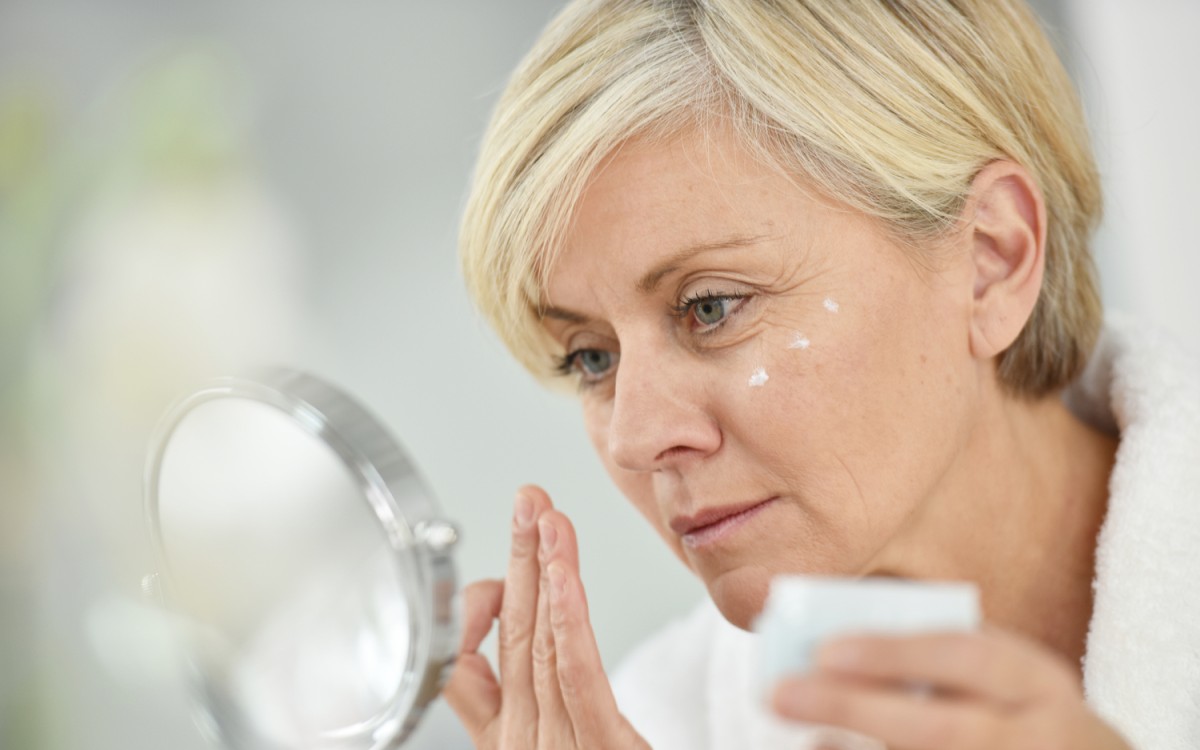
A step-by-step night skincare routine for seniors
Skin changes significantly with age. It produces less oil, renews itself more slowly, and loses moisture faster than it did in earlier decades. A consistent nighttime routine, however, works with those changes rather than against them, providing aging skin the care and attention it needs during the hours when the body is already in repair mode. The good news is that an effective skin routine for seniors does not need to be complicated or expensive. A few well-chosen steps, done consistently, are enough.
Start with a Gentle Cleanser
The first step in any nighttime routine is removing the sunscreen, environmental pollutants, and any makeup or residue that has accumulated on the skin. For older skin, a creamy or hydrating cleanser works better than a foaming or gel formula. Foaming cleansers tend to strip the skin’s natural oils, which are already in shorter supply with age. A gentle cleanser that leaves the skin feeling soft rather than tight is the right benchmark. It’s recommended to prefer lukewarm water for rinsing over hot, as the latter can further dry out the skin.
Apply a Hydrating Toner or Essence
This step is not essential, but it can meaningfully improve how well the rest of the routine absorbs. A hydrating toner or essence applied immediately after cleansing, while the skin is still slightly damp, helps prep the surface for the products that follow. Look for formulas containing hyaluronic acid, glycerin, or aloe, as these ingredients draw moisture into the skin rather than sitting on top of it.
Use a Targeted Serum
Serums deliver concentrated ingredients deeper into the skin than a moisturizer can. For concerns related to elderly skin health, the most useful nighttime serums tend to fall into two categories: those focused on hydration and those focused on cell renewal. Hyaluronic acid serums address dry skin in the elderly by binding water to the skin. Retinol serums, used a few nights per week, support collagen production and help even out texture and tone over time. Retinol should be introduced slowly, as mature skin can be sensitive to it initially.
Apply a Rich Night Moisturizer
Nighttime moisturizers tend to be thicker and more occlusive than daytime formulas, which is exactly what aging skin needs. Ingredients worth looking for include ceramides, which help repair the skin barrier; shea butter or squalane for deep hydration; and peptides, which support firmness over time. For anyone dealing with significant dry skin concerns, applying moisturizer while the skin is still slightly damp from the previous steps helps lock in more moisture.
Treat the Eye Area Separately
The skin around the eyes is thinner and more delicate than the rest of the face, and it tends to show the signs of aging earlier. A dedicated eye cream is therefore an essential part of skincare for seniors. Applied with a gentle patting motion, using the ring finger, it can address puffiness, dark circles, and fine lines without pulling or stretching the skin. Look for formulas with caffeine for puffiness or peptides for firmness.
Do Not Forget the Neck and Hands
Both the neck and the backs of the hands have thin skin and are frequently exposed to the elements, yet they rarely get the same attention as the face. Extend the moisturizer from the nightly routine down the neck and onto the hands. It takes less than a minute and makes a noticeable difference over time.