Home - Open-Records - How To Find Out If Someone Has Filed For Bankruptcy
How to Find Out If Someone Has Filed for Bankruptcy

How to Find Out If Someone Has Filed for Bankruptcy

Bankruptcy filings are part of the public record, which means certain details can be accessed legally through approved sources. Whether checking financial information before signing a lease, entering a business agreement, or reviewing a potential tenant, understanding how to find bankruptcy records can help support informed decisions.

This guide explains the most reliable ways to find out if someone has filed for bankruptcy while staying compliant with privacy and legal standards.

What Is a Bankruptcy Filing?

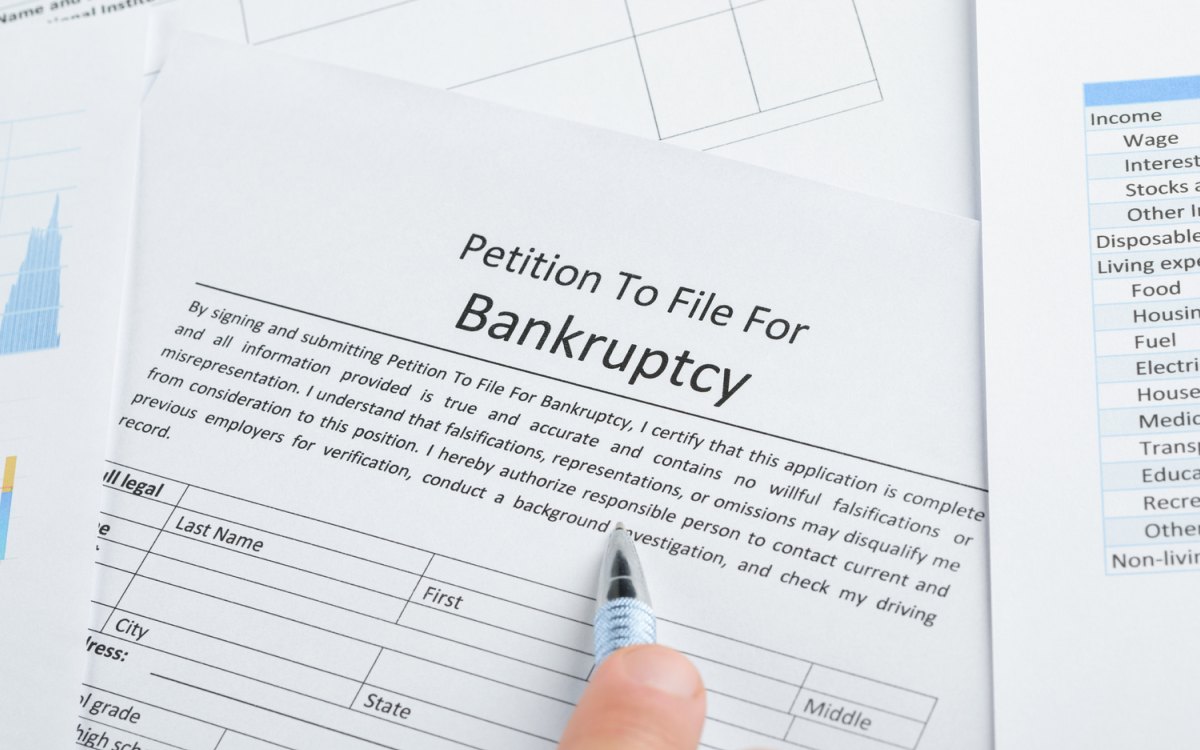
A bankruptcy filing is a legal process used by individuals or businesses that cannot repay debts. Once a case is filed in court, records are typically made available through public databases and court systems.

Common bankruptcy types include:

  • Chapter 7 bankruptcy
  • Chapter 13 bankruptcy
  • Chapter 11 bankruptcy for businesses

These filings may contain information such as f iling date, court location, case number, status of the case, and discharge details.

Why Someone May Need Bankruptcy Information

There are several legitimate reasons to search bankruptcy records.

Tenant Screening

Property owners may review financial history before approving rental applications.

Business Partnerships

Companies often verify financial stability before entering contracts or agreements.

Debt Collection Review

Financial institutions and collection agencies may confirm whether debts are protected through bankruptcy proceedings.

Personal Financial Verification

Some people search records to confirm their own filing status or monitor legal updates.

Use Federal Court Bankruptcy Records

One of the most accurate ways to check bankruptcy filings is through federal court databases.

PACER Database

PACER, short for Public Access to Court Electronic Records, provides online access to bankruptcy court records. Users can search by f ull legal name, business name, case number, and court district. The system includes current and past bankruptcy filings from federal courts.

Information Available Through Court Records

A bankruptcy search may reveal f iling chapter, petition date, court documents, trustee information, and case outcome. Most bankruptcy records remain accessible for years after filing.

Check Credit Reports

Bankruptcy filings often appear on credit reports issued by major credit reporting agencies.

Bankruptcy Details on Credit Reports

A report may show the t ype of bankruptcy, filing date, status of discharge, and related accounts included in the filing. Chapter 7 bankruptcies can remain on a credit report for up to ten years, while Chapter 13 cases may remain for seven years.

Legal Access Matters

Accessing another person’s credit report generally requires permission or a legally permitted purpose, such as employment screening, rental applications, or lending reviews.

Search County or Court Websites

Many courts provide online case lookup systems that include bankruptcy-related information.

What to Search

When using court websites, search using f ull name, business entity name, filing date if known, and state or court district. Some systems are free, while others charge small access fees.

Benefits of Court Searches

Court databases often provide direct information from official records, reducing the chance of outdated or inaccurate results.

Use Background Check Services Carefully

Some background check platforms include bankruptcy history in financial or public record searches.

What These Services May Include

Depending on the provider, reports may show b ankruptcy filings, liens, judgments, and court records. However, information quality varies between services.

Verify Accuracy

Third-party databases may contain outdated or incomplete records. Cross-checking information with official court records is recommended for accuracy.

Understand Privacy and Legal Rules

Although bankruptcy records are public, there are still important legal limits on how information can be used.

Fair Credit Reporting Compliance

Businesses using bankruptcy data for h iring, tenant screening, and lending decisions must follow Fair Credit Reporting Act requirements and provide appropriate disclosures when necessary.

Avoid Improper Use

Bankruptcy information should never be used for harassment, discrimination, or unauthorized access to private financial records.

Signs That Someone May Have Filed for Bankruptcy

While official records provide confirmation, some situations may suggest a recent bankruptcy filing.

Possible Indicators

These may include d ebt collection calls stopping suddenly, major account closures, court notices received by creditors, and significant financial restructuring. These signs alone do not confirm bankruptcy and should always be verified through legal records.

Tips for Accurate Bankruptcy Searches

Searching carefully helps reduce errors and false matches. Some of the b est practices include using full legal names, confirming addresses when possible, searching multiple court districts if needed, verifying dates and case numbers, and reviewing official court documents instead of summaries. Accurate searches are especially important when reviewing common names.

Finding out if someone has filed for bankruptcy is possible through public court records, credit reports, and approved background check systems. Official federal court databases remain the most reliable source for accurate bankruptcy information. Whether reviewing tenant applications, business relationships, or financial records, using legal and verified methods helps ensure responsible and compliant searches.

Latest Articles

5 mistakes to avoid when investing in a high dividend ETF
finance

5 mistakes to avoid when investing in a high dividend ETF

Exchange-traded funds (ETF) have been gaining popularity in the investment sector for some time now. Along with mutual funds, they have been one of the most preferred investment options among investors. With investors having pumped in billions of dollars in ETFs by now, these funds sure seem like a lucrative investment avenue. However, financial experts suggest treading this path carefully so as to avoid unforeseeable losses. Here are a few mistakes that you can avoid while investing in high dividend ETFs: Overlooking long-term investment Looking at long-term goals is the golden rule when it comes to any type of investment. However, seasoned investors invest in ETFs on a short-term basis through a type of trading called intraday trade. This type of trading allows the investors to buy and sell stocks and other investments on the same day. However, if not thought out carefully, investing in high dividend ETFs through intraday trading can result in lower returns and higher trading costs. Buying an ETF simply based on its name This is one of the most common mistakes people make when investing in high dividend ETFs. Investors may think that an ETF’s name provides an insight into its investment reach, i.e., whether the ETF has local or/and global investors. However, this is a ploy that ETF issuers often use to lure investors. Investing in an ETF based solely on its name can lead to disastrous investments. So understand an ETF’s underlying holdings and market objectives before making an investment. Investing in the wrong ETF Like every investment, almost every ETF is vulnerable to market trends and economic slowdowns. However, this does not mean that the particular ETF has failed. When an ETF liquidates, you might still receive some money (termination and other fees might be levied). But this may take a while and you may lose out on the time that could have otherwise been utilized to make other investments.
How to qualify for a reverse mortgage
finance

How to qualify for a reverse mortgage

A reverse mortgage provides the elderly access to equity in their homes and supplements their income. With its flexible repayment option, it gives homeowners more control over their money. However, the government has laid out strict rules and guidelines concerning reverse mortgage eligibility criteria. So, if you’re considering a reverse mortgage, read on to know the reverse mortgage eligibility criteria and the types of reverse mortgages. Reverse mortgage eligibility criteria The first criterion for a reverse mortgage is that the primary homeowner must be at least 62 years of age. If your spouse is under the age of 62, you might still be eligible if you meet other reverse mortgage eligibility criteria. If you’re not 62 or older than 62, then you won’t qualify for a reverse mortgage even if you satisfy the criteria mentioned below. You must be the primary resident of the home you’re seeking a reverse mortgage for. Note that vacation homes or rental properties do not qualify. You must either entirely own the house or have at least 50% equity in it. If you have any mortgage balance remaining while applying for a reverse mortgage, you must be in a financial position to pay off that balance. You must not be late or overdue on any debt from the federal government. This includes income taxes and federal student loans. If you have to pay off such debts, you may very well use the money from the reverse mortgage loan to settle these debts. You must already have enough money, or be willing to use the money from the reverse mortgage loan to pay property taxes, insurance, and home maintenance and repair costs. You must meet a Department of Housing and Urban Development (HUD)-approved reverse mortgage counselor to understand how a reverse mortgage works. During the counseling, the counselor will review your eligibility for a reverse mortgage loan and inform you of the financial ramifications associated with a reverse mortgage.
5 benefits of opting for debt settlement
finance

5 benefits of opting for debt settlement

Debt settlement can be a financial lifesaver for many. Managing debt is quite a difficult task. With every advancing payment due date, one may feel their finances getting tighter and tighter. Between paying for a house mortgage, student loans, credit card debt, personal loans, and many other debts, it is quite common to miss out on paying one payment. Although it may not seem like a big problem initially, this is not good for financial health in the long term. This is where debt settlement comes in. There are multiple benefits to availing debt settlement offered by some of the top 10 debt settlement companies. No more bills With debt settlement, no more bills will be incoming in the mailbox. Debt settlement results in the closure of a debt account by the creditor. In such cases, one will not be able to use their credit cards again. However, this can be beneficial since it will prevent further debt in the future. With debt settlement, there is a permanent erasure of debt. No more collection calls With mounting debt, the calls of creditors are always incessant. If one if falling behind on too many bills, they are bound to be subjected to creditor calls throughout the day. This can add to the stress of not being able to clear away all the dues. Plus, many collection departments are not known to be kind on calls. When a debt settlement is opted for, it will stop the incessant calls from the various collection departments. No bankruptcy risk Rather than filing for bankruptcy, debt settlement is a better option. With the bankruptcy filing, credit score can deteriorate quite significantly. In some cases, the credit score has slid down by nearly 200 points, taking a good credit score to bad credit score. The credit score lowers with debt settlement too.