
Home - Senior Blog - Senior-friendly Brain Activities For Improved Cognitive Health
Senior-friendly brain activities for improved cognitive health

Senior-friendly brain activities for improved cognitive health

Keeping a sharp mind is just as important as staying physically active with age. Regular mental stimulation helps maintain focus, improve clarity, and support overall well-being. However, this doesn’t mean that one has to follow a strict routine. Instead, many seniors find that incorporating simple, enjoyable activities into their daily lives is enough to keep their minds active and engaged. Staying curious and engaged in personal interests supports long-term cognitive health and naturally fosters mental vitality.

The Importance of Mental Stimulation

Just as regular movement supports physical strength, the brain benefits from steady mental engagement to stay active and resilient over time. Prioritizing mental fitness can support independence, clarity of thought, and overall well-being in later years.

When the mind is exposed to new information, conversations, or problem-solving tasks, it gradually builds cognitive strength. Even simple habits such as reading a new book, exploring a topic of interest, or learning a small craft can keep the mind alert and engaged.

Simple Activities for Daily Cognitive Health

Consistency plays a key role in maintaining mental sharpness. When small cognitive activities are woven into everyday routines, morning or evening, they become natural habits rather than occasional efforts.

Interactive Puzzles and Card Games

Activities like card games and puzzles offer enjoyable yet effective mental exercise. Games such as Bridge or Solitaire encourage strategy, focus, and decision-making. Similarly, crosswords and Sudoku support vocabulary, memory, and logical thinking. These brain games help stimulate pattern recognition and recall, making them a valuable part of daily mental activity while also offering relaxation and enjoyment.

Learning New Skills for Mental Flexibility

The brain responds positively to novelty. Learning new skills such as painting, basic photography, knitting, or woodworking introduces fresh challenges that support cognitive flexibility for seniors. This process of learning strengthens neural connections and keeps thinking patterns adaptable. Many community programs and learning groups offer structured opportunities that support mental fitness in a social and encouraging environment.

Creative Ways to Support Memory

Supporting memory does not require complex methods; small, practical techniques can make a meaningful difference over time.

– Using mnemonics, such as simple rhymes or acronyms, can make it easier to remember lists or names.

– Recalling the events of the day in a journal helps reinforce recent experiences and improve retention.

– Even simple changes, such as occasionally using the non-dominant hand for routine tasks, can gently challenge the brain and promote mental agility.

Social Interaction and Brain Engagement

Social connection naturally stimulates the brain. Conversations require listening, understanding, and responding, all of which activate multiple cognitive functions at once. Participating in group activities such as book clubs, walking groups, or community gatherings encourages meaningful interaction and shared learning. When people come together to play games or discuss ideas, mental engagement happens naturally through communication, laughter, and exchange of thoughts.

Maintaining a Consistent Routine

Long-term cognitive well-being is supported through regular engagement in varied mental activities. A balanced routine that includes puzzles, learning, social interaction, and simple memory improvement exercises helps keep the mind active and responsive. Whether through traditional games, new hobbies, or daily reflection, consistent mental stimulation contributes to a more engaged and confident approach to everyday life.

Latest Articles

5 mistakes to avoid when investing in a high dividend ETF
finance

5 mistakes to avoid when investing in a high dividend ETF

Exchange-traded funds (ETF) have been gaining popularity in the investment sector for some time now. Along with mutual funds, they have been one of the most preferred investment options among investors. With investors having pumped in billions of dollars in ETFs by now, these funds sure seem like a lucrative investment avenue. However, financial experts suggest treading this path carefully so as to avoid unforeseeable losses. Here are a few mistakes that you can avoid while investing in high dividend ETFs: Overlooking long-term investment Looking at long-term goals is the golden rule when it comes to any type of investment. However, seasoned investors invest in ETFs on a short-term basis through a type of trading called intraday trade. This type of trading allows the investors to buy and sell stocks and other investments on the same day. However, if not thought out carefully, investing in high dividend ETFs through intraday trading can result in lower returns and higher trading costs. Buying an ETF simply based on its name This is one of the most common mistakes people make when investing in high dividend ETFs. Investors may think that an ETF’s name provides an insight into its investment reach, i.e., whether the ETF has local or/and global investors. However, this is a ploy that ETF issuers often use to lure investors. Investing in an ETF based solely on its name can lead to disastrous investments. So understand an ETF’s underlying holdings and market objectives before making an investment. Investing in the wrong ETF Like every investment, almost every ETF is vulnerable to market trends and economic slowdowns. However, this does not mean that the particular ETF has failed. When an ETF liquidates, you might still receive some money (termination and other fees might be levied). But this may take a while and you may lose out on the time that could have otherwise been utilized to make other investments.
How to qualify for a reverse mortgage
finance

How to qualify for a reverse mortgage

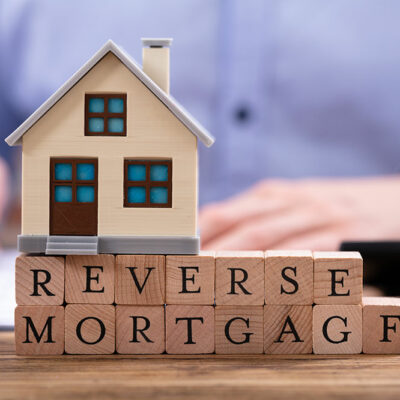
A reverse mortgage provides the elderly access to equity in their homes and supplements their income. With its flexible repayment option, it gives homeowners more control over their money. However, the government has laid out strict rules and guidelines concerning reverse mortgage eligibility criteria. So, if you’re considering a reverse mortgage, read on to know the reverse mortgage eligibility criteria and the types of reverse mortgages. Reverse mortgage eligibility criteria The first criterion for a reverse mortgage is that the primary homeowner must be at least 62 years of age. If your spouse is under the age of 62, you might still be eligible if you meet other reverse mortgage eligibility criteria. If you’re not 62 or older than 62, then you won’t qualify for a reverse mortgage even if you satisfy the criteria mentioned below. You must be the primary resident of the home you’re seeking a reverse mortgage for. Note that vacation homes or rental properties do not qualify. You must either entirely own the house or have at least 50% equity in it. If you have any mortgage balance remaining while applying for a reverse mortgage, you must be in a financial position to pay off that balance. You must not be late or overdue on any debt from the federal government. This includes income taxes and federal student loans. If you have to pay off such debts, you may very well use the money from the reverse mortgage loan to settle these debts. You must already have enough money, or be willing to use the money from the reverse mortgage loan to pay property taxes, insurance, and home maintenance and repair costs. You must meet a Department of Housing and Urban Development (HUD)-approved reverse mortgage counselor to understand how a reverse mortgage works. During the counseling, the counselor will review your eligibility for a reverse mortgage loan and inform you of the financial ramifications associated with a reverse mortgage.
5 benefits of opting for debt settlement
finance

5 benefits of opting for debt settlement

Debt settlement can be a financial lifesaver for many. Managing debt is quite a difficult task. With every advancing payment due date, one may feel their finances getting tighter and tighter. Between paying for a house mortgage, student loans, credit card debt, personal loans, and many other debts, it is quite common to miss out on paying one payment. Although it may not seem like a big problem initially, this is not good for financial health in the long term. This is where debt settlement comes in. There are multiple benefits to availing debt settlement offered by some of the top 10 debt settlement companies. No more bills With debt settlement, no more bills will be incoming in the mailbox. Debt settlement results in the closure of a debt account by the creditor. In such cases, one will not be able to use their credit cards again. However, this can be beneficial since it will prevent further debt in the future. With debt settlement, there is a permanent erasure of debt. No more collection calls With mounting debt, the calls of creditors are always incessant. If one if falling behind on too many bills, they are bound to be subjected to creditor calls throughout the day. This can add to the stress of not being able to clear away all the dues. Plus, many collection departments are not known to be kind on calls. When a debt settlement is opted for, it will stop the incessant calls from the various collection departments. No bankruptcy risk Rather than filing for bankruptcy, debt settlement is a better option. With the bankruptcy filing, credit score can deteriorate quite significantly. In some cases, the credit score has slid down by nearly 200 points, taking a good credit score to bad credit score. The credit score lowers with debt settlement too.