
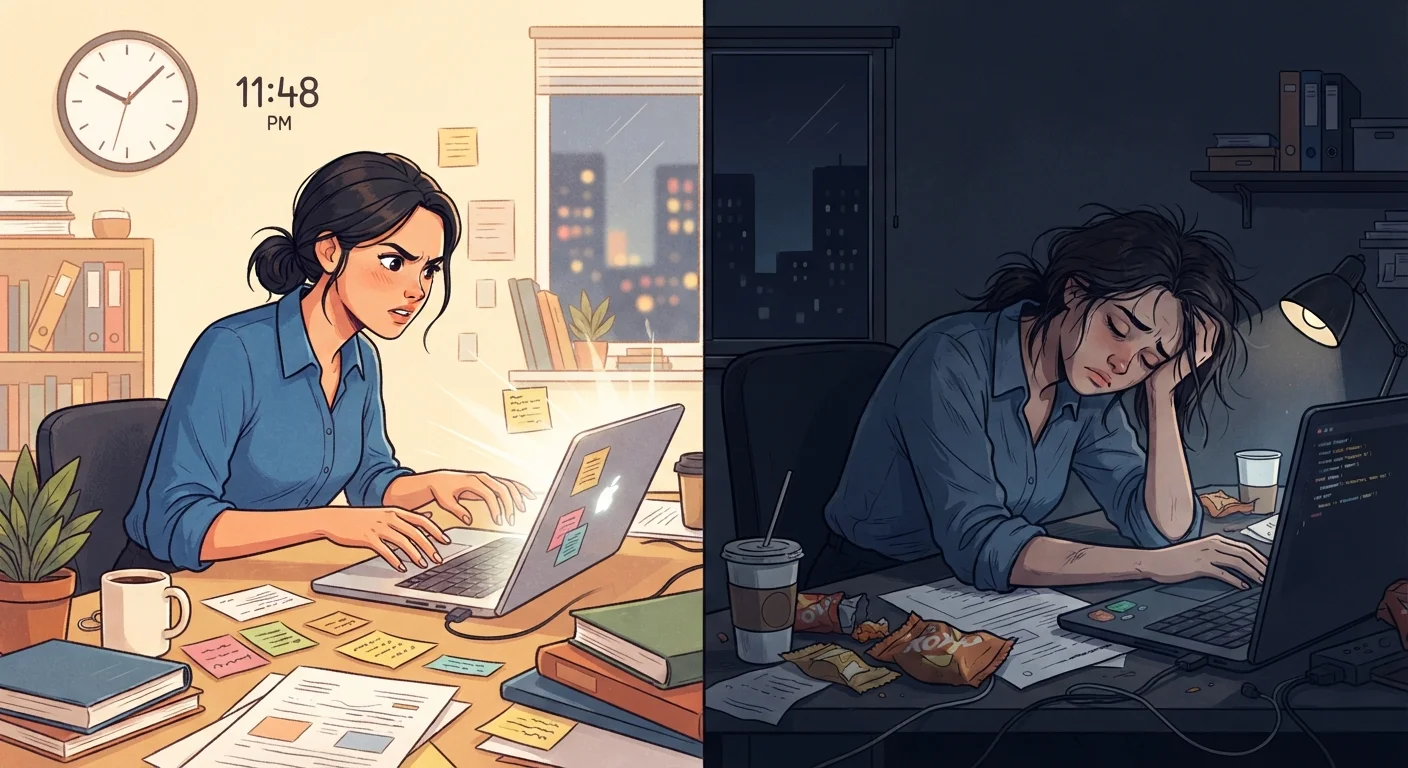
What Actually Happens When You Feel Stressed
Stress, at its core, is the body's response to perceived demand or threat. Whether you're about to give a big presentation or you've been managing impossible workloads for months, the underlying physiological mechanism - activation of the hypothalamic-pituitary-adrenal (HPA) axis and release of hormones like cortisol and adrenaline - is broadly the same. What differs is duration, intensity, and recovery.
That distinction is what separates acute stress from chronic stress, and it has meaningful implications for your health, your mood, and what kind of response is actually useful. Understanding the difference isn't just academic - it shapes whether short-term coping tactics are enough or whether more sustained support is warranted.
| Criterion | Acute Stress | Chronic Stress |
|---|---|---|
| Duration | Minutes to hours | Weeks to months or longer |
| Trigger | Specific, identifiable event | Ongoing or unresolved situation |
| Recovery | Body returns to baseline after trigger resolves | No clear recovery period; systems stay activated |
| Health impact | Generally low if infrequent | Associated with broader health risks over time |
| Awareness | Usually consciously recognised | Can become normalised and go unnoticed |
| Typical coping | Breathing, brief grounding techniques | Structural changes, professional support |
Acute Stress: When Pressure Has a Finish Line
Acute stress is the most common form most people experience day-to-day. It arises in response to a specific, identifiable trigger - a job interview, a difficult conversation, a near-miss in traffic - and it typically resolves once that trigger is gone. The body mobilises resources quickly, and when the situation passes, physiological systems generally return toward baseline.
This type of stress can actually be functional. A modest acute stress response sharpens focus, boosts short-term memory, and heightens alertness. Researchers sometimes describe this as eustress - stress that motivates rather than depletes. The key word, though, is short-term. Even acute stress, if experienced very frequently or intensely, can begin to accumulate in ways that blur the line with its chronic counterpart.
Common management approaches for acute stress - breathing exercises, a brief walk, talking through the situation - tend to work well precisely because the nervous system is primed to recover once the perceived threat is resolved. See our overview of common stress management myths for context on which of these approaches have solid evidence behind them.
Chronic Stress: When the Body Never Gets to Rest
Chronic stress develops when stressors persist - or when recovery time between acute stress events is insufficient. Financial insecurity, a difficult work environment, caregiving responsibilities, or ongoing relationship strain can all produce chronic stress. Unlike acute stress, there is no clear finish line, which means the body's stress-response systems remain active far longer than they were designed to.
Over time, prolonged elevation of cortisol and other stress hormones is associated with a range of health effects. Research has linked chronic stress to disrupted sleep, changes in immune function, cardiovascular strain, and worsening of certain mental health conditions. It's worth noting that the causal picture is complex - stress often interacts with other factors - but the association is well-established enough to take seriously.
77%
Americans reporting physical stress symptoms
According to the American Psychological Association's Stress in America survey, a large majority of US adults report experiencing physical symptoms they associate with stress.
~1 in 3
Adults describing stress as extreme
APA survey data has consistently found that a significant share of American adults rate their stress levels as extreme - suggesting widespread chronic rather than purely acute burden.
One of the most important features of chronic stress is that it can become normalised. Many people operating under sustained pressure stop registering it as stress at all - it becomes their baseline. This is part of why the instinct to push through can be counterproductive: when stress is no longer perceived as a signal, it doesn't get addressed.
Choosing a Response That Matches the Type
Matching your coping strategy to the type of stress you're experiencing matters more than many people realise. Acute stress often responds well to in-the-moment tools: structured breathing, brief mindfulness practices, or simply giving yourself time to decompress after a stressful event.
Chronic stress generally requires a different approach. Quick-relief tools can take the edge off momentarily, but they don't address the underlying conditions sustaining the stress. Longer-term strategies - evaluating workload, strengthening social support, adjusting sleep habits, and in many cases working with a mental health professional - tend to be more meaningful. If your stress is rooted in a workplace environment that isn't improving, for example, practical strategies for managing stress at work may offer a more realistic starting point than wholesale life changes.
When to Seek Professional Guidance
If you find stress has persisted for several weeks, is affecting your sleep or relationships, or you're relying on avoidance to cope, it's worth speaking with a healthcare provider or licensed mental health professional. These are not signs of weakness - they're signals that the situation may benefit from structured support beyond self-help strategies.
This article is for general informational purposes only and does not constitute medical or mental health advice. If you're experiencing persistent stress or related symptoms, please consult a qualified healthcare professional.