
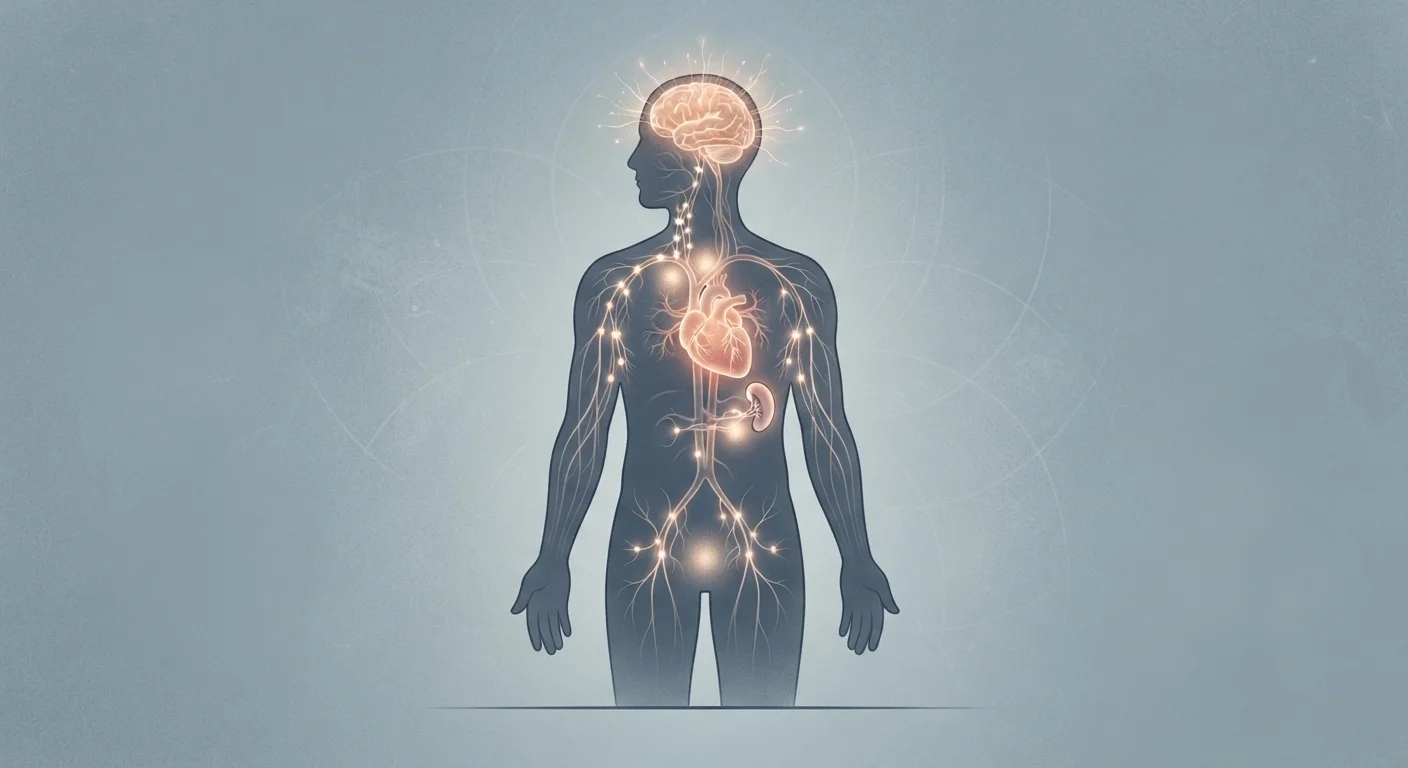
What Happens Inside the Body During Prolonged Stress
The human body is built to handle stress in short bursts. A near-miss while driving, a tight work deadline, or an unexpected confrontation triggers a cascade of hormones - cortisol, adrenaline - that sharpen focus and prepare muscles for action. Once the threat passes, the body is designed to return to baseline.
But when stress becomes ongoing - weeks of financial pressure, months of caregiving strain, years of workplace tension - that recovery window shrinks or disappears altogether. The body remains in a state of alert it was never designed to sustain. For a deeper look at the biological mechanisms involved, see what stress actually does to your body.
Over time, this chronic activation affects multiple systems simultaneously:
- Cardiovascular: Elevated heart rate and blood pressure become the new norm, placing sustained strain on blood vessels and the heart muscle.
- Immune: Chronic cortisol exposure can dampen immune surveillance, making the body less efficient at fighting off infection.
- Digestive: The gut is highly sensitive to stress hormones, and prolonged exposure is associated with issues including bloating, nausea, and altered motility.
- Sleep: A stress-activated nervous system resists the downregulation needed for deep, restorative sleep - creating a cycle where poor sleep increases stress reactivity.
It's also worth understanding that not all stress works the same way. Acute and chronic stress differ significantly in both their physiological footprint and the strategies best suited to addressing them.
77%
Americans reporting physical stress symptoms
According to the American Psychological Association's Stress in America survey, a large majority of US adults report experiencing physical symptoms they associate with stress, such as fatigue, headache, or upset stomach.
2-3x
Elevated cardiovascular risk with chronic stress
Research published in peer-reviewed cardiology literature suggests individuals with high chronic stress exposure face meaningfully elevated risk of cardiovascular events compared to those with lower stress burden, though individual risk varies widely.
~1 in 3
US adults reporting inadequate sleep
The CDC has reported that roughly one in three American adults regularly get less sleep than the recommended amount - a figure closely intertwined with stress, as poor sleep and stress reactivity reinforce each other.
Lifestyle Habits That Buffer the Physical Impact
While stress itself is often unavoidable, the body's capacity to recover from it is not fixed. A growing body of research supports the idea that consistent, everyday habits can meaningfully reduce stress's physiological toll - not by eliminating the stressor, but by strengthening the systems stress wears down.
Start Small and Stack Habits Gradually
You don't need to overhaul your lifestyle to begin buffering stress's physical effects. Research suggests that even brief, consistent habits - a 10-minute walk, a regular bedtime, a moment of slow breathing - can shift the body's stress response over time. Choose one habit that fits your current routine and build from there rather than attempting wholesale change.
Movement and Physical Activity
Regular physical activity helps regulate cortisol rhythms and supports cardiovascular resilience. Even moderate-intensity movement - a daily walk, for example - has been associated with improvements in mood, sleep quality, and immune function. Walking and structured exercise each offer distinct benefits worth understanding based on your lifestyle and health goals.
Sleep as a Recovery Mechanism
Sleep is when the body actively clears stress hormones, consolidates memory, and repairs tissue. Prioritizing consistent sleep timing - going to bed and waking at similar hours - supports the hormonal rhythms that stress disrupts. Reducing screen exposure before bed and limiting caffeine after midday are habits with reasonable supporting evidence.
Social Connection
Human contact plays a direct role in moderating the stress response. Social bonding is associated with lower cortisol levels and greater emotional resilience. Research on social connection and mental wellness highlights why isolation can compound the physical burden of chronic stress.
Small, Sustainable Daily Habits
Grand lifestyle overhauls rarely stick. Evidence suggests that small, consistent habits - brief breathing exercises, regular meals, short movement breaks - accumulate into meaningful physiological change over time. Small daily habits for mental resilience offers a practical starting point for those looking to build a more stress-resilient routine.
Recognizing the Signals and Knowing When to Seek Help
One of the more challenging aspects of chronic stress is that its physical signals can be easy to dismiss or misattribute. Persistent fatigue gets blamed on a busy schedule. Recurring headaches are managed with over-the-counter medication. Digestive discomfort is chalked up to diet. In many cases, these symptoms are the body's way of signaling that its stress load has exceeded its capacity to recover unaided.
Stress shows up in subtler ways than most people expect - and recognizing those signals earlier can make a meaningful difference in how effectively they're addressed.
When Physical Symptoms Warrant Medical Attention
Physical symptoms linked to stress - chest tightness, heart palpitations, significant sleep disruption, or persistent digestive problems - can also be signs of other medical conditions. Do not assume stress is the sole cause of ongoing physical symptoms. A healthcare provider can conduct appropriate evaluation and help you understand what's driving what you're experiencing.
It's also worth examining the assumptions you may carry about stress management. Many popular approaches - from "just think positive" to "push through it" - don't hold up under scrutiny. Common stress management myths explores what the research actually supports versus what simply sounds plausible.
If physical symptoms are persistent, worsening, or significantly affecting daily function, consulting a qualified healthcare professional is the appropriate next step. A clinician can help assess whether stress is a contributing factor, rule out other causes, and discuss evidence-based support options suited to your circumstances.
This article is for general informational and educational purposes only and does not constitute medical advice. Always consult a qualified healthcare professional for guidance specific to your health situation.