Why Renters Face a Different Calculus Than Owners
Homeowners can renovate freely, knowing any added value stays tied to an asset they own. Renters operate under a different set of rules: improvements are made to someone else's property, leases typically require the unit to be returned to its original condition, and landlords have the legal right to keep security deposits if walls are damaged or fixtures altered without permission.
That doesn't mean you're stuck living in a space that feels cold or impersonal. It means the question changes from What will add value? to What can I do that's reversible, permitted, and worth the cost? Understanding that distinction is the foundation of smart renter improvement decisions. For a broader look at the financial landscape of renting, see the financial trade-offs of renting vs. owning.
Improvements That Generally Make Sense for Renters
The upgrades that deliver real value for renters share a common trait: they come with you when you leave, or they can be undone cleanly.
Portable upgrades move with you to the next place
Investments in freestanding furniture, quality lighting, and modular storage follow you when your lease ends, making them genuinely yours.
Reversible changes protect your security deposit
Peel-and-stick products and tension-based fixtures leave no permanent marks, reducing the risk of landlord deductions at move-out.
Low-cost changes can dramatically improve comfort
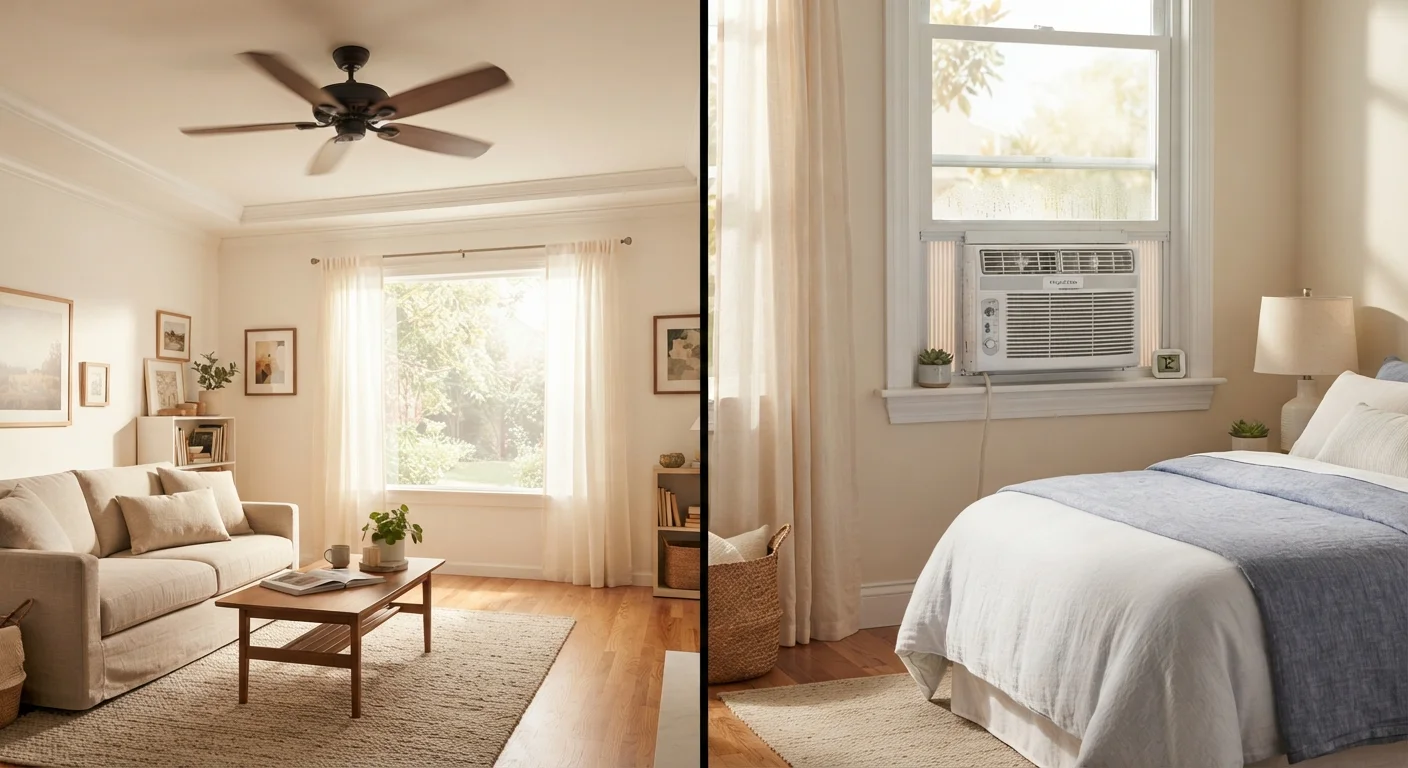
Targeted improvements to lighting, air quality (with portable air purifiers or fans), and organization can make a space feel significantly more livable for modest outlay.
Some landlords welcome renter-funded improvements
With prior written approval, certain upgrades - like better faucets or improved weather stripping - may be welcomed by landlords who benefit without paying.
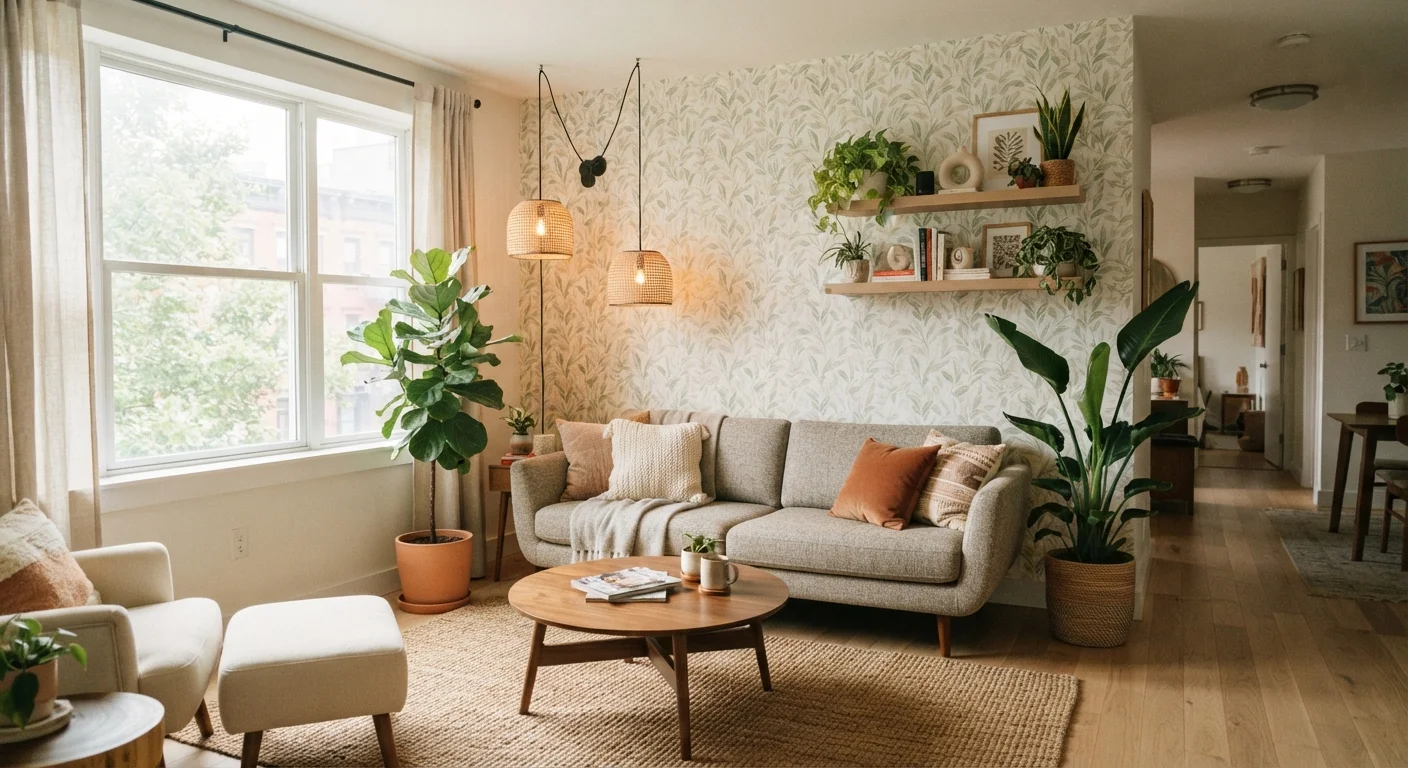
- Removable wallpaper and peel-and-stick tiles. These can transform a kitchen backsplash or a bedroom accent wall and peel off without leaving residue when done correctly.
- Plug-in lighting and pendant fixtures. Swapping out the ambiance of a room with plug-in sconces or pendant lights requires no wiring and can move with you.
- Organization systems. Freestanding shelving, tension-rod drawer organizers, and closet systems improve daily function without touching walls permanently.
- Window treatments. Command-strip curtain rods or tension rods let you hang quality curtains without drilling.
For a deeper look at low-effort, high-impact projects, weekend projects that make a real difference offers practical starting points.
Improvements Renters Should Approach With Caution
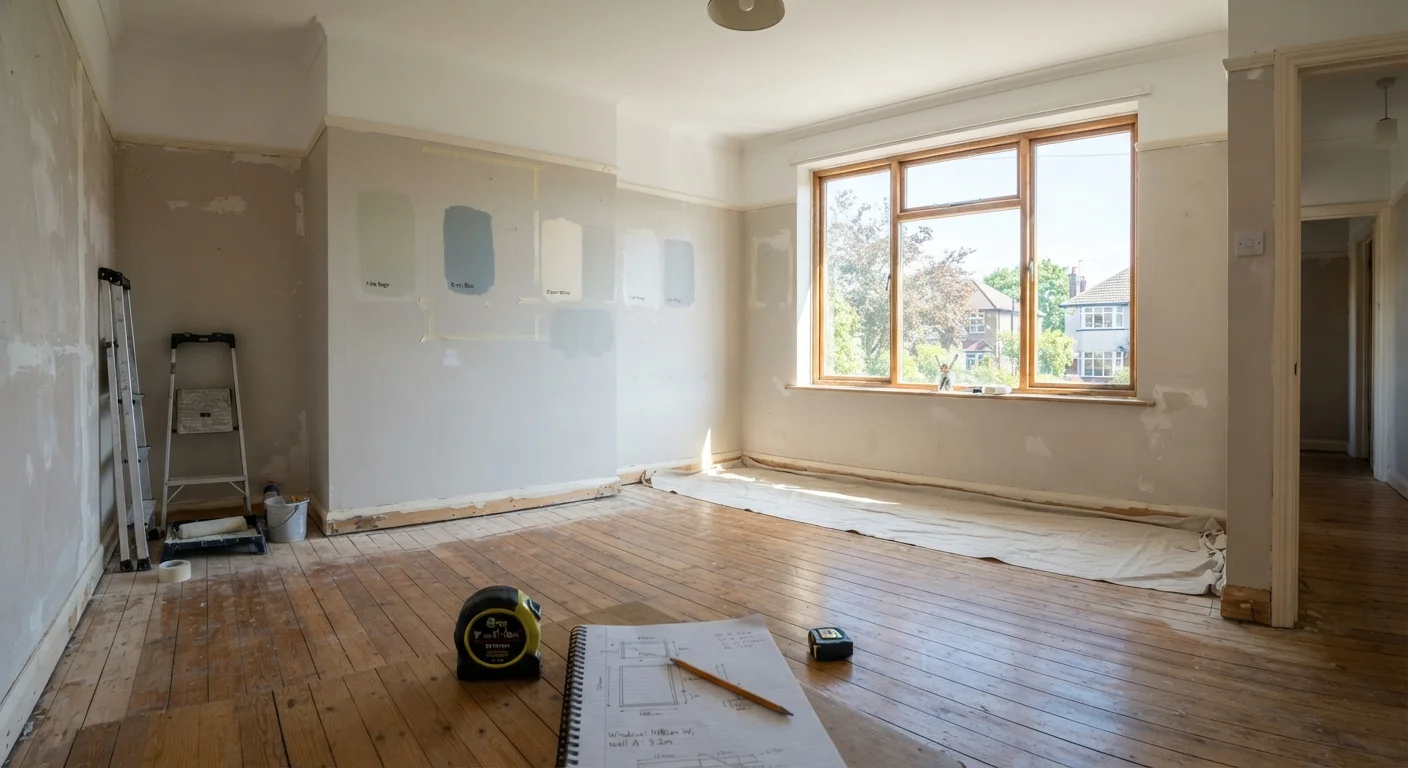
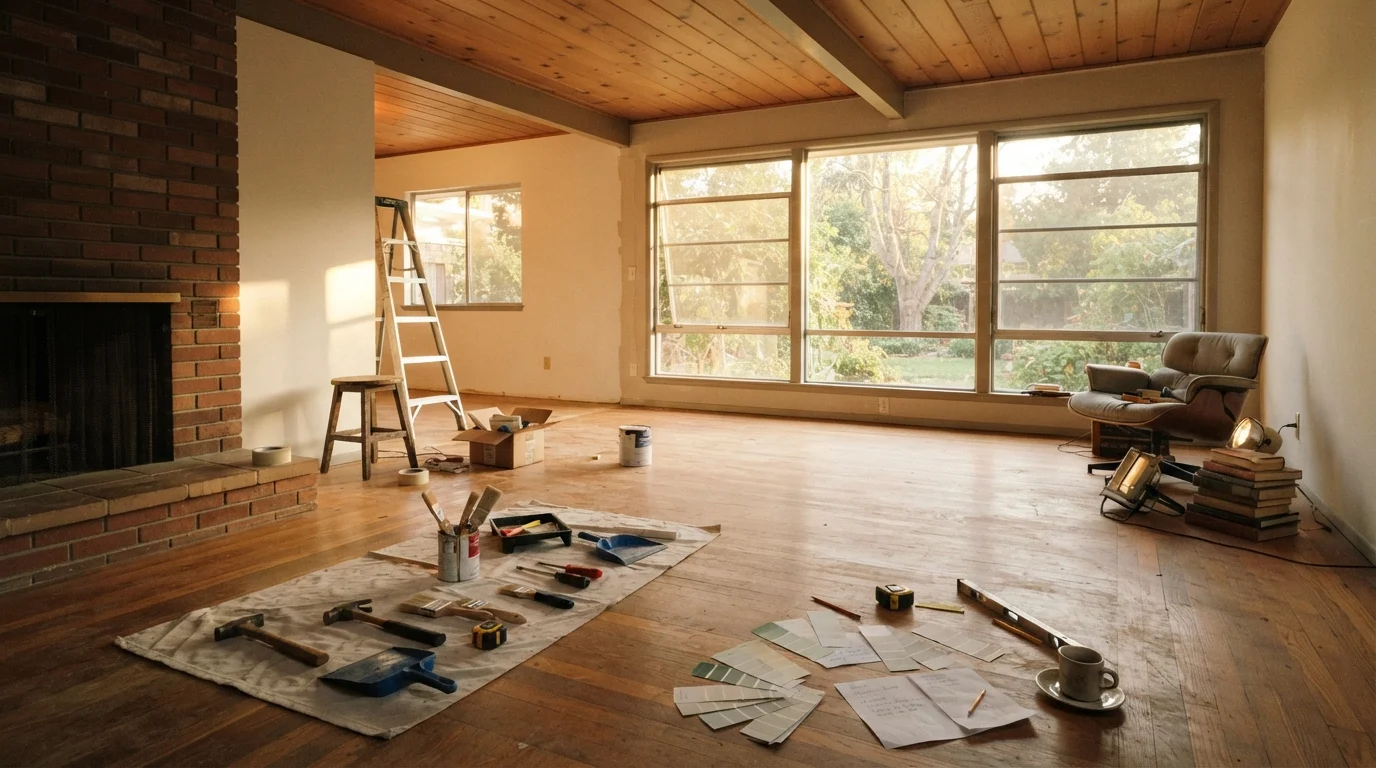
Some improvements occupy a gray zone - they're not obviously destructive, but they're not clearly reversible either. Painting walls is a common example. While paint is technically reversible, mismatched colors or imperfect coverage can cost you part of your deposit. Always get written landlord approval and clarify who is responsible for repainting at move-out.
Permanent changes benefit the landlord, not you
Any fixed improvement you make - built-in shelving, tile work, fresh paint - becomes part of the property and adds to the owner's asset, not yours.
Unauthorized work can trigger lease termination
Making changes without written permission can be grounds for a lease violation, and in some cases, early termination by the landlord.
Security deposit is at risk without careful execution
Even well-intentioned improvements that leave adhesive residue, nail holes, or color mismatches can result in deposit deductions that exceed the improvement's cost.
Electrical and plumbing work carries legal and safety risk
DIY work on electrical circuits or plumbing in a rental unit may violate local codes, void insurance, and create hazards that the renter is liable for.
Return on investment is typically zero at move-out
Unlike homeowners, renters cannot recoup improvement costs through resale or refinancing; the money spent is purely for personal use during the tenancy.
Replacing light fixtures, installing ceiling fans, or swapping out cabinet hardware falls into the same category. These changes may require electrical work, can void warranties, and obligate you to restore original fixtures before moving. Document everything with photos before and after any change.
When Landlord Approval Isn't Enough
Even with a landlord's verbal agreement, verbal promises are difficult to enforce if a dispute arises at move-out. Always get any permission in writing - an email exchange is generally sufficient. Specify exactly what is being changed, what materials will be used, and what the restoration plan is when you leave. This protects both parties and removes ambiguity.
Permanent structural improvements - adding built-ins, removing closet doors, or making any change that requires a permit - are almost never appropriate in a rental without a long-term lease arrangement and explicit written landlord consent. Even then, the financial benefit flows to the property owner, not to you.
The Ground Rules: What to Do Before Any Project
Before spending a dollar on any rental improvement, follow a straightforward process that protects both your relationship with your landlord and your security deposit:
- Review your lease. Most standard leases prohibit alterations without prior written consent. Confirm what yours says specifically.
- Ask in writing. Email your landlord with a clear description of what you plan to do and how you plan to restore the space. Keep the reply.
- Photograph the unit. Before any change, document the existing condition with time-stamped photos.
- Budget conservatively. If you can't take it with you and it costs more than a month's minor comfort improvement is worth to you, it's probably not the right investment.
Renters who want to explore the smart home angle - such as plug-in smart bulbs, portable smart speakers, or removable smart lock keypads - will find helpful context in the Smart Home Living hub. Many smart home devices are specifically designed to be renter-friendly.
~36%
Share of U.S. households that rent their home
According to U.S. Census Bureau data, roughly one in three American households rents rather than owns, making renter-focused improvement guidance relevant to a large share of the population.
$200-$400
Typical range for reversible rental upgrades
Consumer home improvement surveys suggest that renters who focus on portable and peel-and-stick products can meaningfully transform a space for well under $500 without risking deposit deductions.