Why the Estimate Is Just the Starting Point
A contractor's estimate is a professional's best calculation of what they will charge you for the labor and materials within their defined scope. It is not a complete accounting of everything a project will cost you. That distinction matters enormously when you're planning a budget.
Think of the estimate as one line item in a much longer list. Permit fees, material delivery charges, debris disposal, and the cost of finishing work that falls outside the contractor's scope all get added on top. If you've ever ended a project having spent 30% more than the original quote, you're not alone - and in most cases, the contractor wasn't padding the bill. The extra costs simply weren't part of the original agreement.
Just as small recurring costs accumulate quietly, the hidden line items on a renovation project tend to pile up in ways that feel surprising but are entirely predictable once you know what to look for.
15-20%
Recommended contingency buffer above estimate
A widely cited rule of thumb among home improvement professionals for budgeting unexpected costs.
~35%
Homeowners who exceed their renovation budget
According to a Houzz renovation trends survey, roughly one in three homeowners reports spending more than originally planned on their most recent project.
$500-$2,000+
Typical permit fee range for major renovations
Permit costs vary substantially by jurisdiction, project type, and project value; always verify with your local building department.
The Hidden Costs Most Homeowners Don't Budget For
Several categories of expense fall outside the typical contractor estimate but are nearly universal in real projects:
- Permits and inspections: Most structural, electrical, plumbing, and HVAC work requires a permit from your local building department. Fees vary widely by municipality and project type but can range from under $100 to several hundred dollars or more for larger jobs.
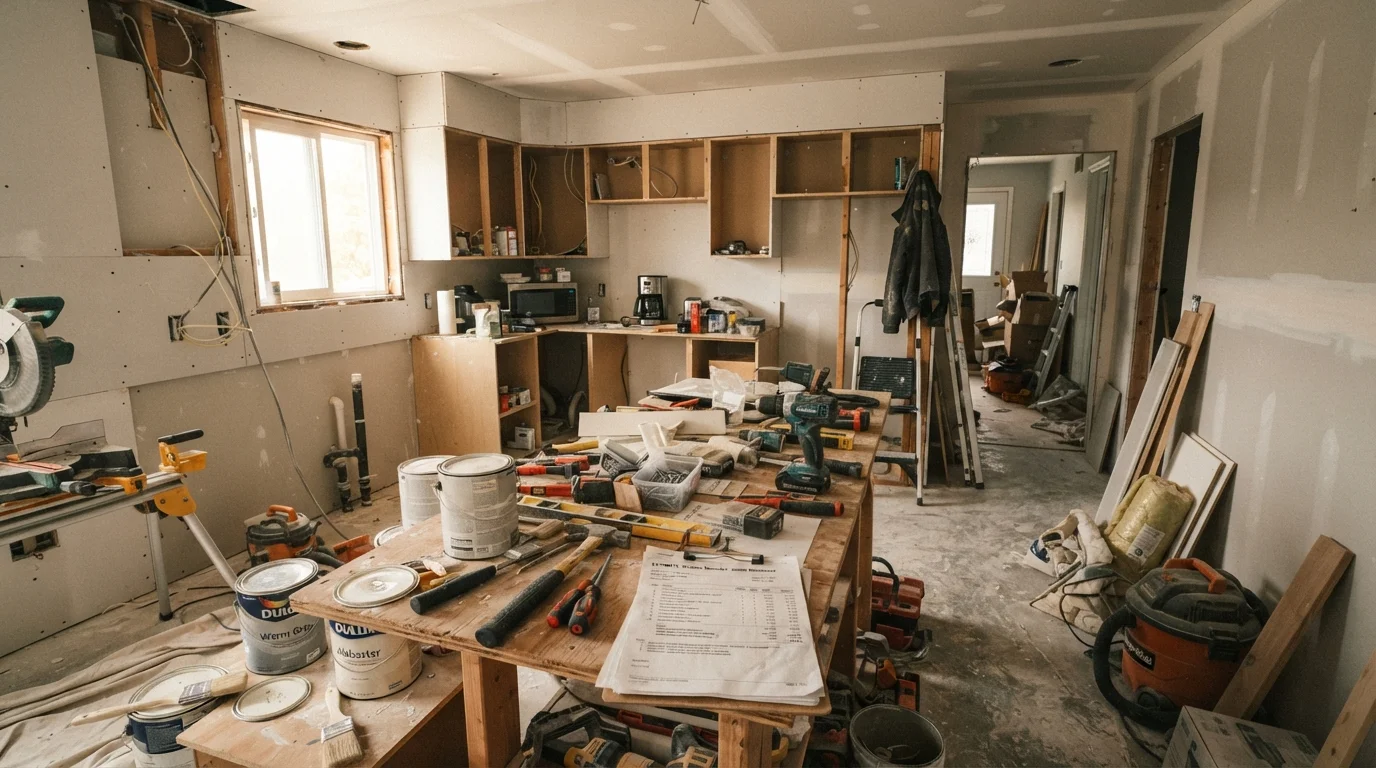
- Debris removal: Demolition creates waste. Unless your contractor explicitly includes haul-away in their quote, you may be responsible for renting a dumpster or scheduling separate removal services.
- Temporary displacement costs: Kitchen remodels, bathroom renovations, or whole-floor projects can make parts of your home uninhabitable. Eating out more frequently or staying elsewhere adds real expense that rarely appears in anyone's estimate.
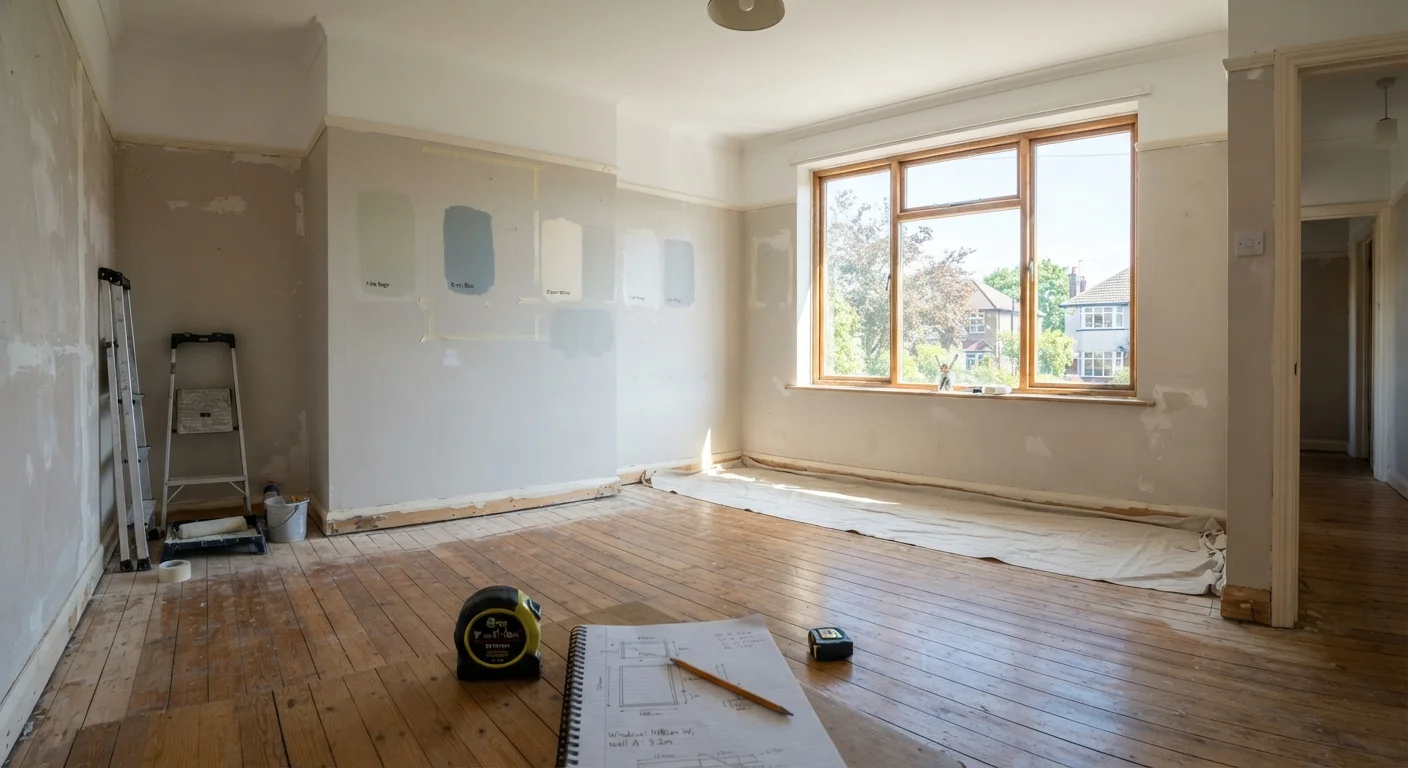
- Pre-work preparation: Clearing a room, protecting flooring, or moving furniture and appliances is often the homeowner's responsibility. If the contractor does it, expect an added charge.
- Post-project finishing: Touch-up painting, new hardware, switch plates, and trim work are easy to forget until the job is done and you're standing in a room that isn't quite finished.
Ask Every Contractor About Change Orders
Before signing any contract, ask the contractor to explain their change order process - how discovered problems are communicated, how costs are approved, and what documentation you'll receive. A clear change order policy protects both you and the contractor and reduces the chance of billing disputes mid-project.
When Unexpected Problems Drive Costs Up
Even the most experienced contractor cannot fully anticipate what's behind your walls, under your floors, or inside your ceiling joists. This is where budgets most commonly collapse mid-project.
Opening a wall during a bathroom remodel might reveal galvanized pipes due for replacement. Pulling up old flooring can expose rotted subfloor that needs repair before new flooring can go down. Upgrading a kitchen's electrical may reveal that your panel needs an upgrade to support the load - a separate, significant cost.
These discoveries aren't contractor errors; they're the reality of working on existing homes. Older homes in particular carry layers of previous repairs, original materials, and deferred maintenance that surface only when a project begins. The best defense is a well-funded contingency budget - most home improvement guidance suggests 15-20% above your estimate as a starting reserve.
For a broader view of how true costs diverge from sticker prices across spending categories, see the Spending by Category resource for useful comparisons. Much like smart home devices carry ongoing costs that don't appear on the box, renovation projects surface expenses that aren't visible until you're already committed.
Permits Protect Your Investment
Skipping required permits may seem like a way to save on costs, but unpermitted work can create serious problems when you sell your home, file an insurance claim, or need future repairs. Many jurisdictions require unpermitted work to be brought up to current code before a home can be sold. Always verify requirements with your local building department before work begins.
How to Build a More Accurate Project Budget
Accurate budgeting starts before you contact a single contractor. Here's a practical framework:
- Request itemized quotes. Ask contractors to break out labor, materials, disposal, and any subcontractor costs separately. This makes comparing quotes meaningful and surfaces what's included versus what's not.
- Research permit requirements early. Contact your local building or planning department - or visit their website - to understand which permits apply to your project and their approximate fees.
- Add a contingency line. Build your 15-20% buffer into your budget from the beginning, not as an afterthought. Treat it as a real budget line, not emergency money.
- List your own responsibilities. Write down every task that won't be covered by the contractor - prep work, temporary housing, replacement fixtures, finishing touches - and price each one out before you start.
- Get clarity on what happens if problems are discovered. Ask contractors how they handle change orders and unexpected findings. Understand the process before work begins, not after a problem surfaces.
Thinking through the full picture before committing to a project is the single most effective way to avoid the financial stress of a mid-renovation budget crisis. The goal isn't to scare you away from improvements - it's to help you go in with eyes open and cash reserves in place.