The Purchase Price Is Just the Starting Point
When most people shop for a smart home device, they weigh the sticker price against the promised convenience. That calculation misses a significant portion of what ownership actually costs. As smart home setups grow more capable, the financial commitments that sustain them grow alongside.
The device on the shelf is typically the hardware entry point - not the total cost. Manufacturers increasingly rely on tiered service models where basic functionality is free, but useful features like extended video history, advanced automation, or remote access require a paid plan. These fees are often introduced after purchase, sometimes years into ownership, leaving users to pay up or lose features they've come to depend on.
$300+
Estimated annual smart home subscription spend
Households running multiple subscriptions for cameras, security, and smart appliances can easily exceed this figure annually, according to consumer technology analysts.
5-7 years
Typical smart home hub support window
Industry observers note that many smart home hubs and bridges receive active software support for roughly five to seven years before manufacturers phase out updates.
Understanding this structure before you buy - not after - is the most practical step you can take. Evaluating the real value behind "free" tiers is a skill that applies directly to smart home hardware.
Subscription Fees: The Recurring Cost Nobody Advertises
Subscription costs represent one of the most underestimated line items in smart home ownership. Video doorbells and security cameras are the most common offenders - recording and storing footage beyond a short rolling window almost always requires a monthly or annual plan. Smart locks, thermostats, and alarm systems follow similar patterns.
Genuine convenience for daily routines
Automation of lighting, locks, and climate control can meaningfully reduce friction in everyday tasks, particularly for households with accessibility needs or demanding schedules.
Potential energy savings with the right setup
Devices like smart thermostats and occupancy-sensing lights can reduce waste when configured correctly, though savings are not guaranteed and depend heavily on household behavior.
Remote monitoring adds peace of mind
The ability to check cameras, receive door alerts, or adjust the thermostat remotely offers practical value that many homeowners find worth the ongoing cost.
Interoperability is improving with open standards
Emerging cross-platform standards are reducing ecosystem lock-in for newer devices, giving buyers more flexibility and potentially longer hardware lifespans.
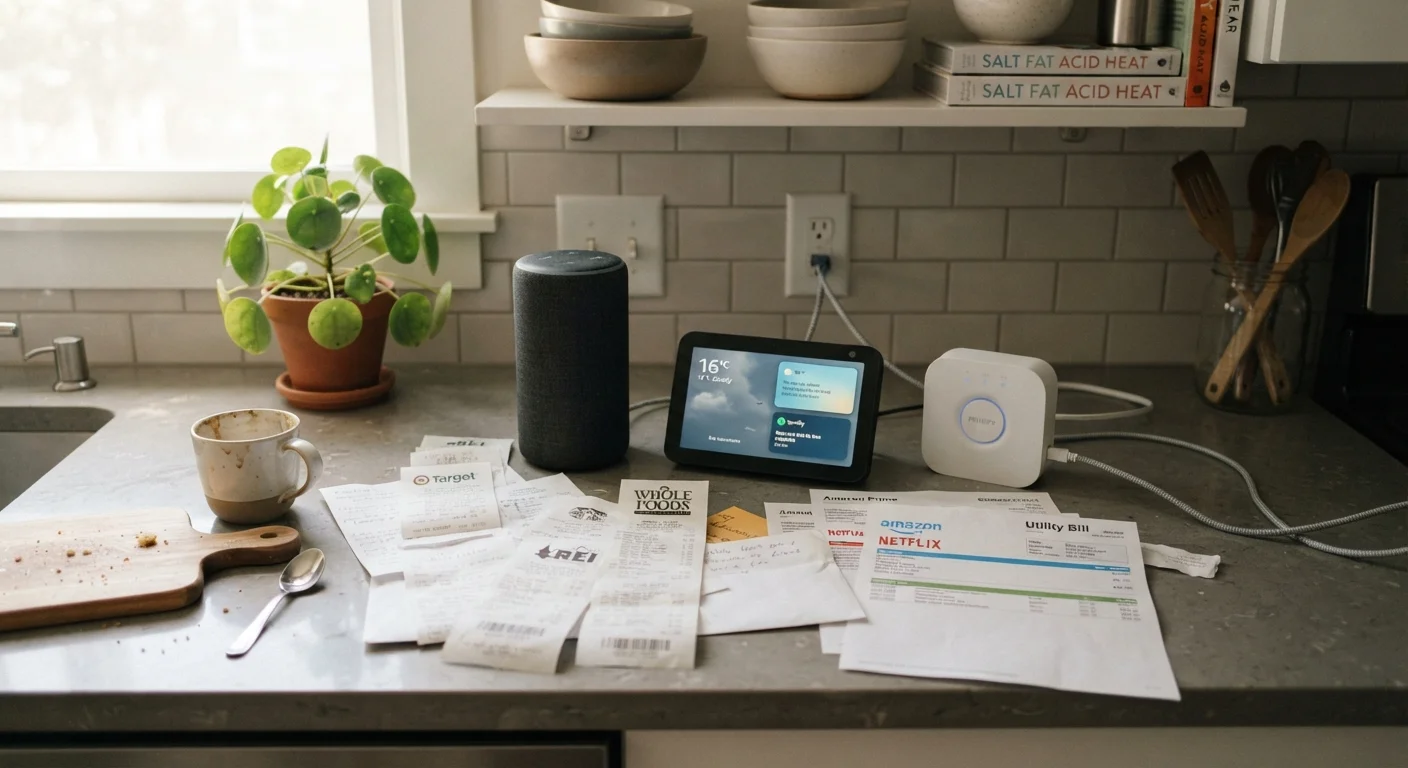
Even when individual subscriptions seem modest, they accumulate. A household running subscriptions for a camera system, a security monitor, and a smart appliance platform can easily spend over a hundred dollars annually on services alone. For a fuller picture of how these costs quietly compound, see how subscription spending accumulates across a household.
Subscription fees added after purchase
Manufacturers frequently introduce or raise subscription tiers after a device is already in use, forcing owners to pay for features that were initially included or lose access to them.
Ecosystem shutdowns strand working hardware
When a platform is discontinued or a hub reaches end-of-life, dependent devices can become non-functional - turning a working investment into electronic waste.
Standby power draw across many devices adds up
A home with twelve or more always-on smart devices can see a noticeable increase in electricity consumption, partially eroding any energy savings the devices were meant to deliver.
Compatibility gaps require unexpected replacements
Protocol changes between product generations frequently mean that new hubs or updates are incompatible with older devices, triggering unplanned hardware spending.
Bandwidth consumption from cameras can be substantial
Continuous video streaming from multiple cameras can consume significant monthly upload data, pushing households on metered plans toward overage fees.
Privacy trade-offs carry non-financial costs
Constant data collection by smart devices introduces privacy considerations that, while not a dollar cost, represent a real and ongoing trade-off that households should weigh consciously.
When evaluating any device, check whether cloud services are required for its core functions, whether local processing is an option, and how the manufacturer has historically handled pricing changes for existing subscribers.
Hardware Refresh Cycles and Ecosystem Lock-In
Smart home hardware does not age gracefully. Manufacturers push firmware updates that eventually exclude older models, and ecosystems that seemed dominant a few years ago can contract or shut down entirely, leaving compatible devices stranded. This is not a hypothetical risk - it has happened repeatedly across the industry.
When a hub or bridge device reaches its end-of-life, every device that depended on it may stop working as intended. Replacing the hub often means replacing devices too, since newer hubs may use different wireless protocols or drop support for older product lines.
Open Standards Can Reduce Lock-In Risk
Protocols like Matter and Thread are designed to work across multiple manufacturer ecosystems, reducing the risk that a single company's decision strands your hardware. When comparing devices, checking for support of open standards is a practical way to extend the useful life of your investment. That said, even open-standard devices depend on continued software support and a functioning network infrastructure to operate as intended.
This refresh cycle is a hidden cost that rarely appears in total-cost-of-ownership discussions but can rival or exceed the original investment over a five-to-seven-year window. Maintaining your setup proactively can extend hardware life, but it cannot eliminate the eventual need to upgrade.
Energy and Bandwidth: The Invisible Monthly Bills
Smart devices stay partially powered around the clock - listening for wake words, polling servers, or maintaining network connections. Individually, each device draws only a small amount of electricity. Across a home with a dozen or more connected devices, that standby draw adds a measurable increment to the monthly energy bill.
Internet bandwidth is a less obvious cost. Homes with multiple security cameras streaming continuously can generate hundreds of gigabytes of upload traffic per month. For households on capped internet plans, this can push them into overage territory. Even households on unlimited plans may find that smart home traffic affects overall network performance.
It's worth noting that some smart devices - thermostats in particular - can offset part of their energy footprint by optimizing heating and cooling. But results vary considerably based on home size, existing HVAC equipment, and usage habits. Smart thermostats don't always lower your energy bill, and assuming they will can lead to inflated savings expectations.
How to Build a Realistic Smart Home Budget
A practical approach starts with total-cost-of-ownership thinking before any device enters the cart. For each device under consideration, ask: Does it require a subscription for full functionality? What is the manufacturer's track record with long-term software support? Does it use open standards that allow it to work with multiple ecosystems, reducing lock-in risk?
Mapping these questions onto a simple spreadsheet - device cost, expected annual subscription, estimated replacement timeline - gives a far more honest picture than the shelf price alone. Small recurring costs compound into significant annual expenses, and smart home fees are no exception.
Finally, data privacy is a cost that doesn't appear on any invoice. Smart devices collect information about household routines, usage patterns, and sometimes audio or video. Understanding what your smart home data is used for and how to limit collection is a worthwhile step for any connected household.