The Core Idea: Connection, Not Complexity
Strip away the marketing language, and a smart home comes down to one concept: devices that connect to a network and respond to instructions - whether those instructions come from you, a schedule, or another device. A light that turns on when your phone arrives home, a thermostat that learns your preferences, a lock you can check from across the country - these are all expressions of the same underlying idea.
What makes a home smart is not the number of gadgets it contains. It's whether those devices are genuinely useful to the people living there. A house full of app-controlled devices that each require a separate login and rarely communicate with each other isn't really a smart home - it's a collection of connected appliances.
The more meaningful definition involves integration: devices that share information and work together to reduce friction in your daily routine. If you're exploring where to start, our practical beginner's guide to building a smart home walks through the basics in plain terms.
Start With One Room or One Problem
Rather than planning a whole-home overhaul, identify a single recurring inconvenience - forgetting to turn off lights, managing the thermostat manually - and address that first. A focused first device teaches you how the ecosystem works before you commit to a larger setup.
What Smart Home Technology Actually Does
At a practical level, smart home devices fall into a few broad categories:
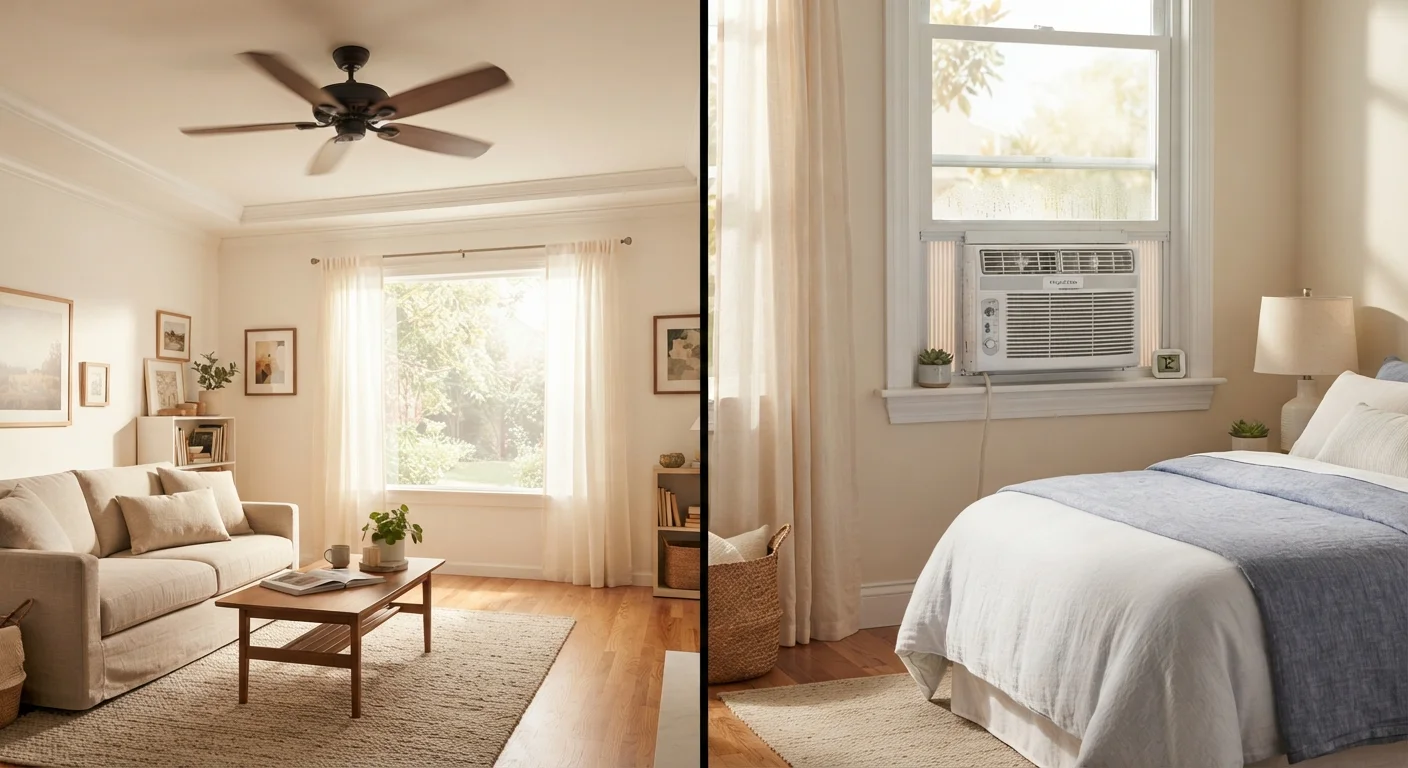
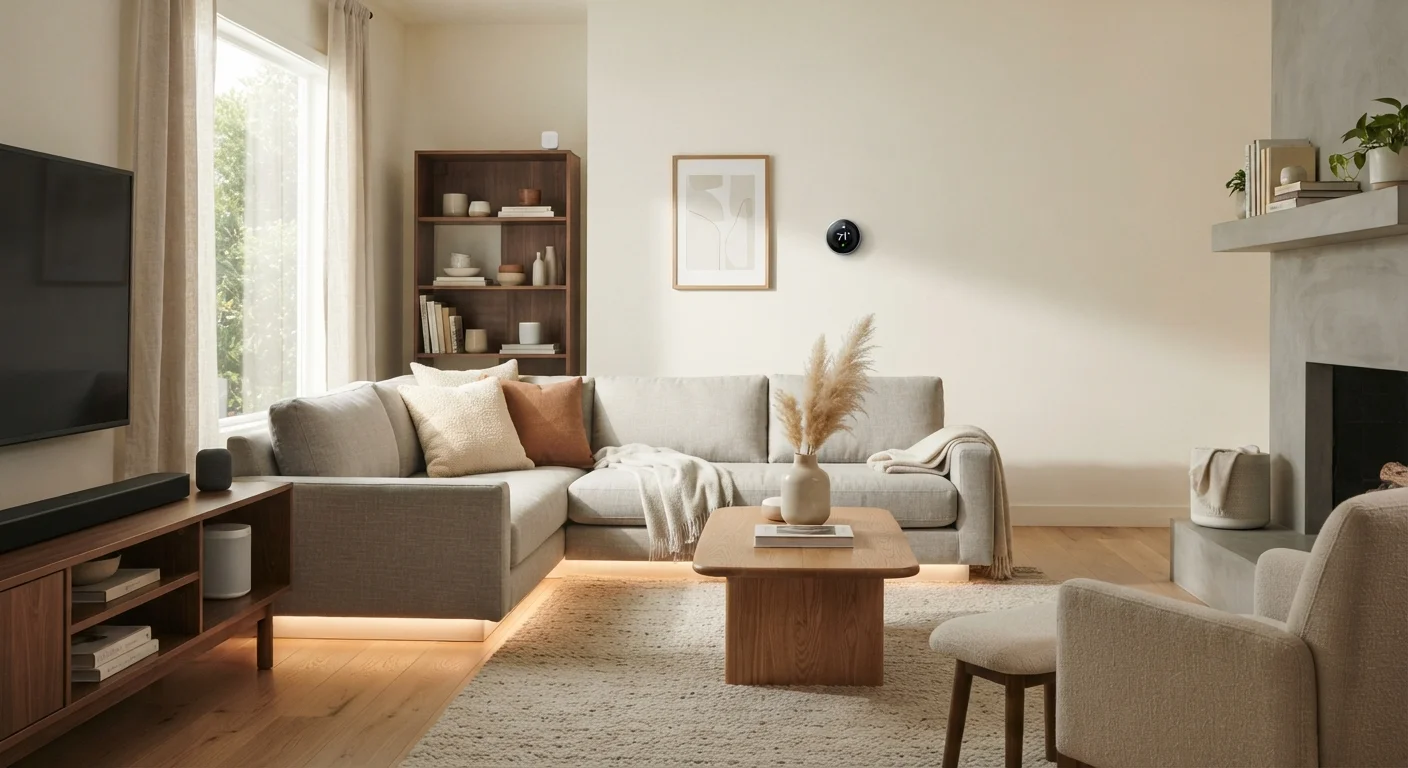
- Climate control - Smart thermostats adjust heating and cooling based on occupancy, time of day, or weather data.
- Lighting - Connected bulbs and switches can dim, change color, or follow schedules and motion triggers.
- Security and access - Smart locks, video doorbells, and cameras allow remote monitoring and keyless entry.
- Energy monitoring - Smart plugs and panels can track how much power individual devices consume.
- Appliances - Refrigerators, washers, and ovens with network connectivity can send alerts or be started remotely.
Voice assistants tie many of these together, acting as a spoken interface that lets you issue commands without opening an app. Automation routines - often called "scenes" or "flows" - let you chain actions together, so arriving home at dusk could trigger the lights, thermostat, and door lock simultaneously.
~35%
U.S. households with at least one smart home device
Estimates from industry research groups suggest roughly a third of American homes include at least one connected device beyond smartphones and computers.
#1
Most common entry point: smart speakers
Smart speakers and voice assistants consistently rank as the most widely adopted smart home device category in consumer surveys.
10-15%
Potential heating and cooling savings with smart thermostats
Independent energy studies have found that properly programmed smart thermostats can reduce HVAC energy use, though actual savings vary significantly by home size, climate, and prior habits.
Where the Technology Falls Short
Smart home technology is genuinely useful, but it comes with constraints that marketing materials rarely emphasize.
Internet dependency. Most smart devices rely on cloud servers to function fully. If your internet goes down - or if a manufacturer discontinues support for a product - functionality can be reduced or lost entirely.
Compatibility friction. Devices from different manufacturers don't always work together cleanly, even when they claim to. The Matter standard is improving this, but mixed ecosystems still require patience and troubleshooting.
Maintenance overhead. Smart devices need firmware updates, occasional resets, and periodic app updates. The time investment is usually modest, but it's real.
Privacy trade-offs. Many smart devices collect usage data - when you're home, how you set your thermostat, what you say near a microphone. Understanding what information your devices gather is worth your attention. Our article on smart home data collection and privacy covers this in detail.
When a Manufacturer Shuts Down
Smart devices depend not just on your home network but on the company's servers. When a manufacturer discontinues a product line or goes out of business, devices can lose cloud-based features - or stop working entirely. Before investing heavily in any ecosystem, it's worth researching the provider's track record and whether devices offer any local control fallback.
A Smarter Way to Think About It
The most useful frame for evaluating smart home technology is not "how advanced is this?" but "does this solve a real problem in my home?" A smart thermostat that cuts energy use when no one is home is valuable. A voice-controlled coffee maker that saves you two button presses probably isn't worth the setup complexity.
Start with friction points - tasks you do repeatedly that feel inefficient or annoying - and look for technology that addresses those specifically. That approach tends to produce a home that's genuinely smarter, rather than one that's simply more wired up. For broader context on how digital tools can simplify daily tasks, it's worth thinking about your home's connected devices as part of that same ecosystem.