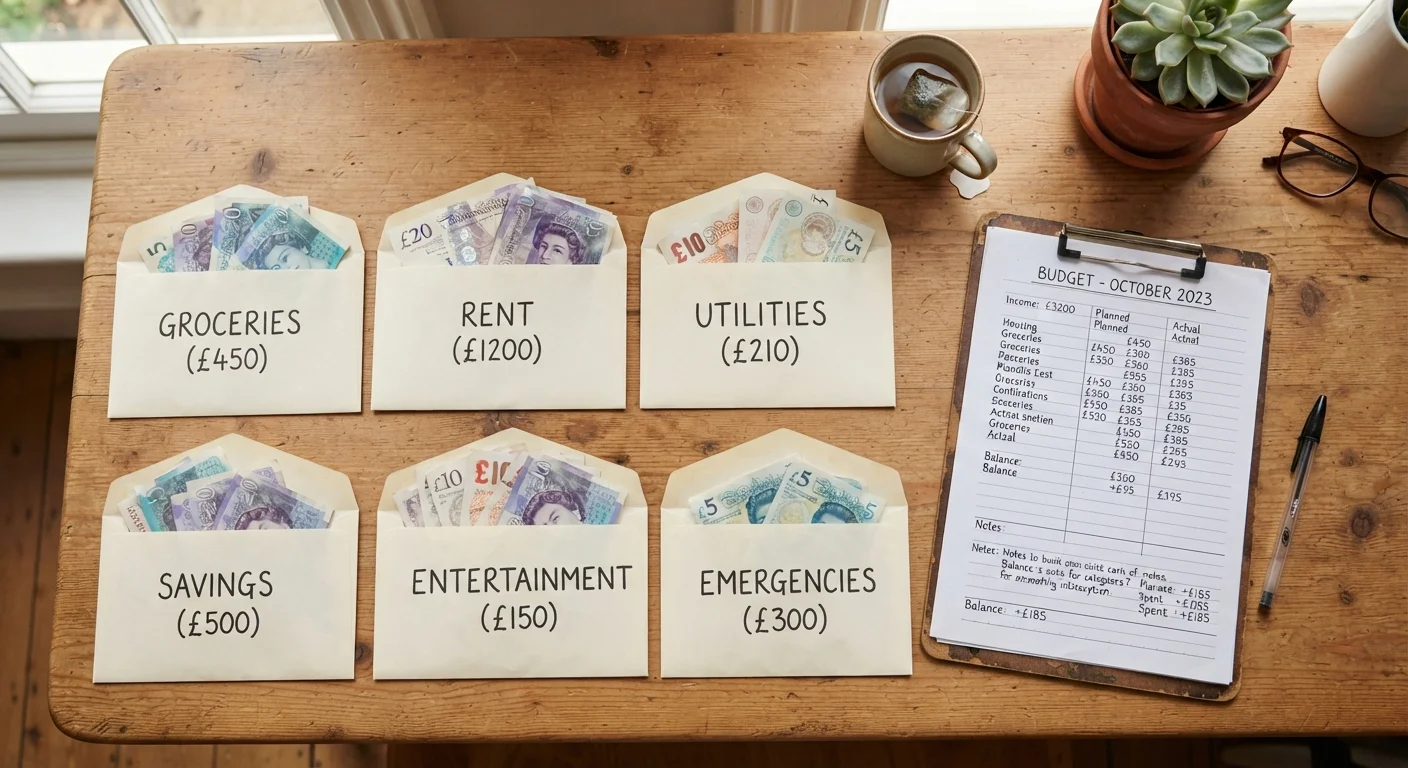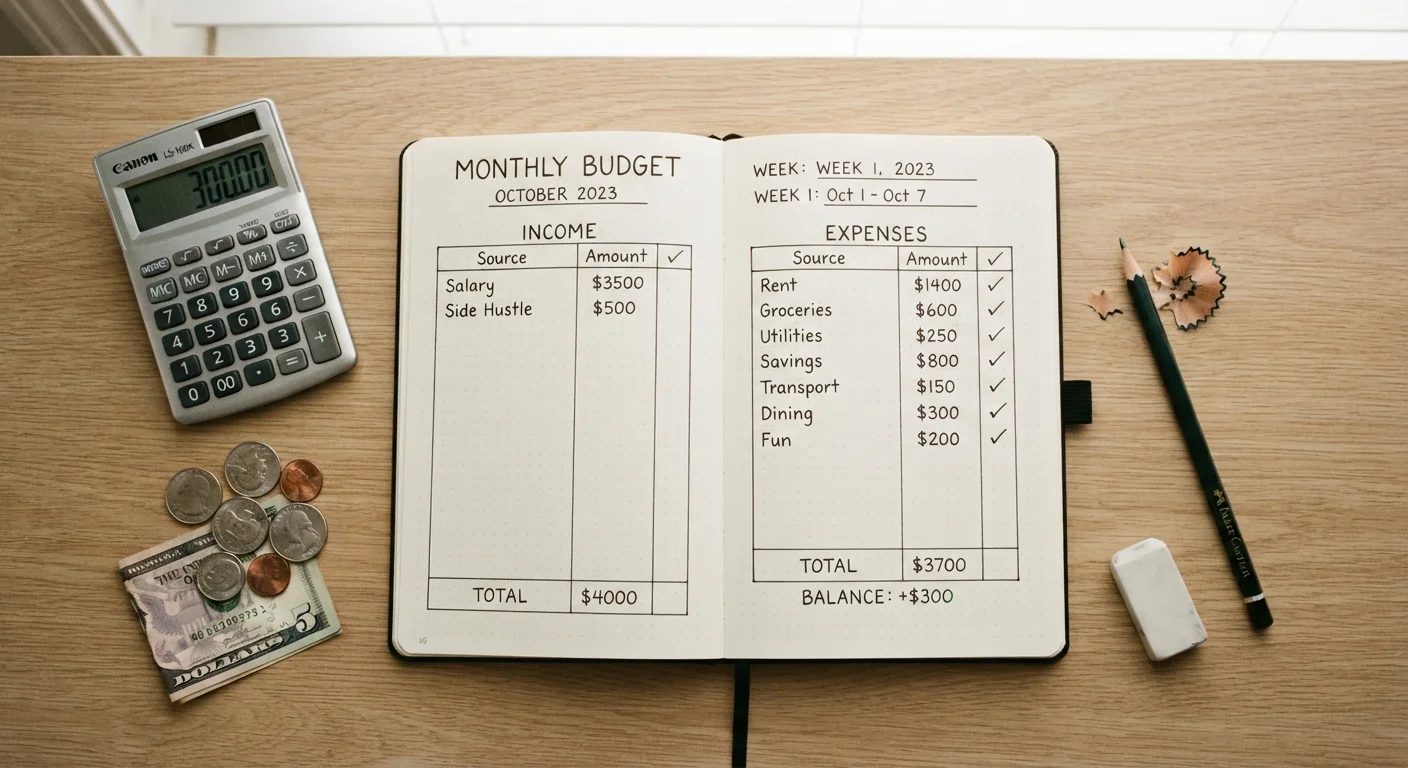

What Counts as Discretionary - and What Doesn't
The line between a need and a want isn't always obvious, but the test is straightforward: could you cut this expense without losing housing, food, transportation to work, or healthcare? If yes, it's likely discretionary.
Rent, a car payment, health insurance, electricity - these are non-negotiable. Groceries and basic utilities are essential even though the amounts vary. What's left after those are covered is your discretionary budget.
Common categories that fall on the discretionary side include:
- Dining out and food delivery
- Entertainment - movies, concerts, sports events
- Streaming and subscription services
- Hobbies and recreational equipment
- Clothing beyond practical need
- Personal care upgrades (spa visits, premium products)
- Travel and vacations
The tricky part is that many of these feel necessary - because habits solidify fast. A daily coffee stop that started as a treat can feel like a fixed cost within months. That psychological shift is where budgets quietly break down.
For a fuller picture of how fixed and variable costs differ, see our plain-English breakdown of fixed vs. variable expenses.
Why Discretionary Spending Balloons Without Notice
The core problem isn't any single purchase. It's accumulation - and the fact that discretionary spending is engineered to feel small in the moment.
$3,000+
Average annual U.S. household spend on dining out
According to the U.S. Bureau of Labor Statistics Consumer Expenditure Survey, food away from home represents one of the largest discretionary categories in a typical household budget.
4-5
Average number of paid subscriptions per U.S. adult
Research by C+R Research found that consumers frequently underestimate their total monthly subscription spend, often by a significant margin.
Subscription services are a clear example. A $10 streaming platform, a $15 music service, a $12 fitness app, and a $9 news subscription don't individually feel significant. Together they represent $552 a year - often charged automatically, rarely reviewed.
Food delivery and dining out follow the same pattern. A $17 lunch order seems unremarkable. But three of those a week over a year is more than $2,600. Most people, if asked, would significantly underestimate their annual spending in this category.
Emotional and situational factors push spending higher too. Stress at work, boredom on a weekend, social pressure to join a group activity - all of these reliably loosen the wallet in ways that have nothing to do with budget planning. This is covered in depth in our article on spending triggers.
“People don't overspend because they're careless. They overspend because the system around them - from one-click checkout to auto-renewing subscriptions - is designed to make spending effortless and forgetting easy.”
— Spending Editorial Team, Consumer finance researchers
Tracking It: Awareness Before Action
Before cutting anything, spend one month simply observing. Pull your bank and credit card statements, export them to a spreadsheet or use a category-sorting feature if your bank offers one, and add up what you actually spent in each discretionary category.
Start With One Month of Real Data
Don't try to build a new budget from memory or estimates. Download at least 30 days of actual transactions and sort them by category before making any changes. The numbers you find will be more useful than any rule of thumb you start with.
Most people find two things when they do this: they spent more than they thought in at least one category, and there are recurring charges they'd forgotten about entirely.
The goal of this exercise isn't guilt - it's clarity. Once you can see the actual numbers, decisions about what to trim become much less abstract. You're not guessing at a vague "spending problem"; you're looking at a specific line item that can be adjusted.
For a broader view of where households typically allocate money across all categories, see how American households actually spend their money - the data there often provides useful context for your own numbers.
Once you know which categories run high, small habit shifts in the right places tend to make a bigger difference than dramatic cuts.
This article is for general informational and educational purposes only and does not constitute personalised financial advice. Consider speaking with a qualified financial professional about decisions specific to your situation.