
Why So Many People Never Start
Roughly six in ten Americans report living paycheck to paycheck at some point, yet surveys consistently show that fewer than half maintain any kind of written or tracked budget. The gap isn't laziness. More often it's a set of stubborn misconceptions that make budgeting feel pointless, painful, or simply not meant for people in their situation.
This article fact-checks the most common beliefs that delay financial progress. If any of these sound familiar, you're in good company - and the correction is simpler than you might expect. For foundational vocabulary, see our plain-English glossary of budgeting terms before diving in.
Myth
Budgets are only for people who are broke or in debt.
Fact
Budgeting is a tool for anyone who earns and spends money - which is everyone.
This is probably the most common reason people never start. The assumption is that tracking spending is a crisis measure, like taking medicine only when you're sick. In reality, people with stable incomes benefit from budgets precisely because they have more choices to make - and more opportunity to let money drift toward things that don't actually matter to them. A budget at any income level is simply a written-down set of priorities. See the Budgeting Basics hub for straightforward strategies that work across income ranges.
Myth
You need to track every single purchase before you can make a budget.
Fact
A rough estimate of your regular expenses is enough to build a working first draft.
Perfectionism is a budget killer. Waiting until you have three months of flawless records means never starting. The practical approach: list your fixed monthly bills (rent, utilities, loan payments), estimate variable spending categories like groceries and gas based on memory, and subtract from your take-home pay. You'll refine the numbers as you go. An imperfect budget that exists beats a perfect one that's still being planned.
Myth
If your income is irregular, budgeting doesn't really work.
Fact
Irregular income requires a different budgeting method, not the absence of one.
Freelancers, gig workers, and anyone paid on commission often feel excluded from standard budgeting advice, which tends to assume a predictable paycheck. The workaround is to budget from your lowest expected monthly income and treat anything above that as a surplus to allocate deliberately. Some people use a running "income pool" - depositing all earnings into savings first and paying themselves a consistent monthly draw. It takes a little more setup, but the underlying logic is the same. Living paycheck to paycheck is often tied to income variability, not just low wages - and a budget built for that reality can help break the cycle.
Myth
A budget means you can't spend money on things you enjoy.
Fact
A budget is a spending plan - it can and should include discretionary spending.
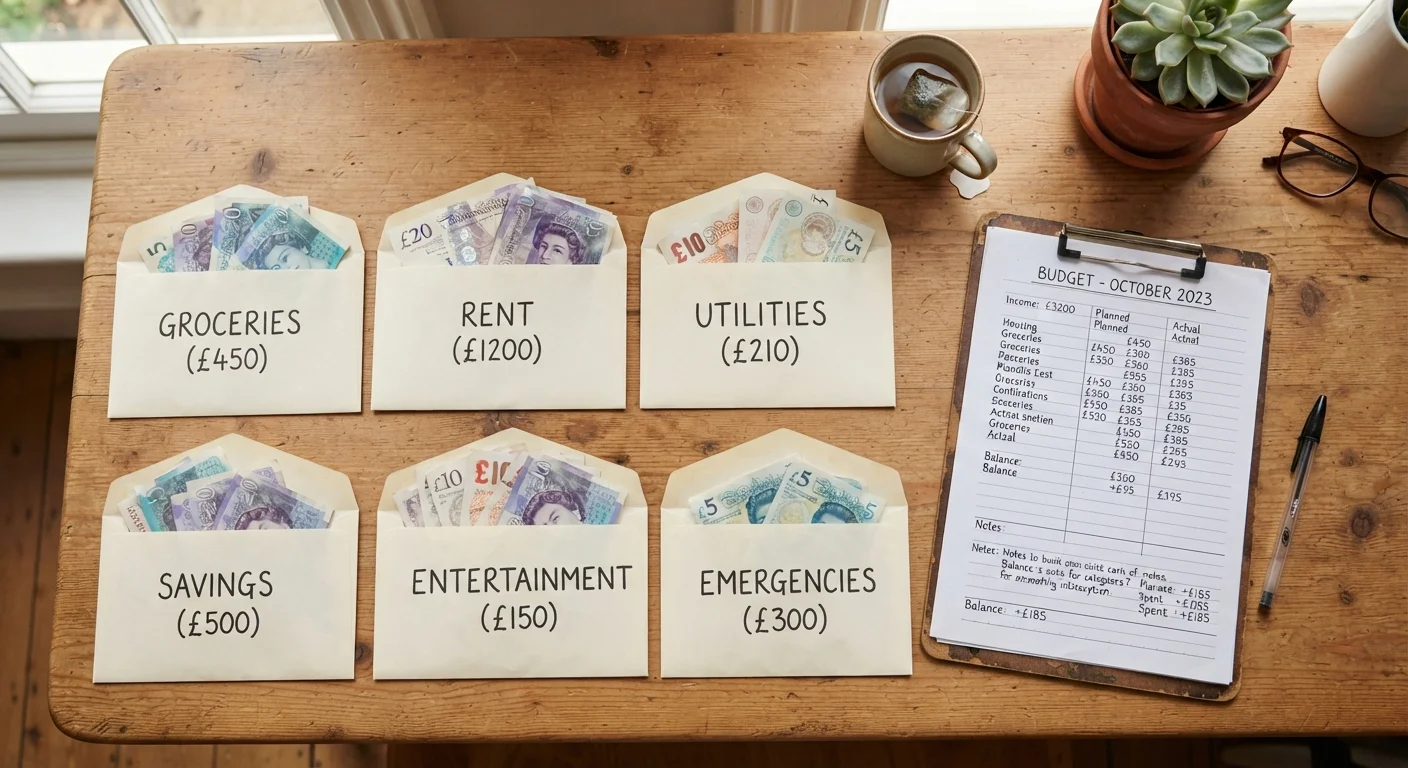
The word "budget" carries a lot of emotional weight for many people, conjuring images of austerity and sacrifice. But a budget is just an intentional allocation of income. Nothing in the mechanics of budgeting says you can't set aside money for dining out, hobbies, or entertainment. In fact, budgets that allow zero room for enjoyment tend to fail faster than those that build in some breathing room. The goal is awareness and intention, not deprivation.
Myth
Budgeting takes hours every week and requires complicated spreadsheets.
Fact
A functional budget can be set up in under an hour and maintained in minutes per week.
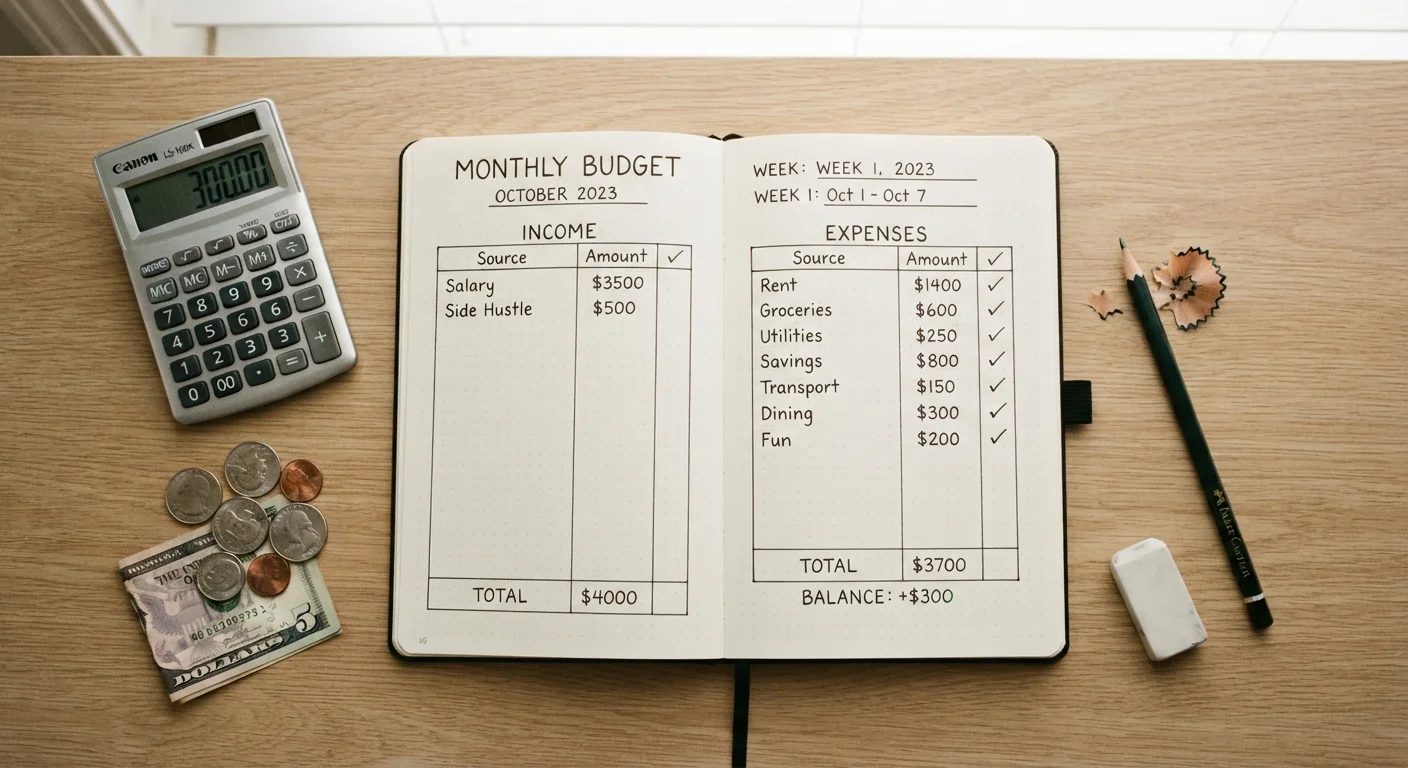
There's no law that says a budget has to involve elaborate color-coded spreadsheets or specialized software. A piece of notebook paper with income on one side and expense categories on the other is a budget. Free apps that link to bank accounts can automate much of the tracking. The initial setup does take some focused time, but ongoing maintenance - checking in once a week to see if you're on track - rarely exceeds 10 to 15 minutes for most households.
What Actually Keeps Budgets From Working
Busting the myths is step one. But even readers who get past these misconceptions sometimes build budgets that quietly fall apart within a few weeks. The culprits are usually small, overlooked expenses rather than one big splurge - a reality explored in detail in why your budget keeps failing in the first two weeks.
A related pattern is the month-two collapse, where an initial burst of motivation fades once the novelty wears off. Understanding why most household budgets fail in month two can help you build in safeguards from the start rather than fixing problems after they've already derailed progress.
Don't Wait for the "Right" Month to Start
It's tempting to delay starting a budget until after a holiday, a big expense, or an anticipated raise. But there's rarely a "clean" month. Starting during a messy, irregular period actually gives you more realistic data to work with. An imperfect start now beats a perfect start that never happens.
If you want to go deeper on the psychology side - the feeling that a budget means giving things up - our companion piece on the myth that budgeting means deprivation makes a compelling case that the opposite is often true. And for anyone carrying debt, the misconceptions don't stop at budgeting: see common debt beliefs that cost Americans money for an equally grounded look at that side of the picture.
This article is for general informational purposes only and does not constitute personalized financial advice. For guidance tailored to your individual situation, consider speaking with a qualified financial professional.