Why Overpaying Is a Pattern, Not an Accident
Most people assume they overpay occasionally-a rushed purchase, a missed coupon, bad timing. But consumer research paints a different picture: overpaying tends to follow consistent, predictable patterns tied to how retail environments are designed and how human decision-making works under time pressure.
The good news is that patterns can be learned and interrupted. Once you recognize the specific mechanics behind common overpayment traps-anchoring, urgency, unit-price confusion-you're less likely to fall into them by default. This isn't about becoming a coupon extremist or spending hours on research. It's about a handful of small adjustments that cut through promotional noise reliably. For more on what drives these behaviors at a deeper level, see the psychological roots of overspending.
Urgency Is Often Manufactured
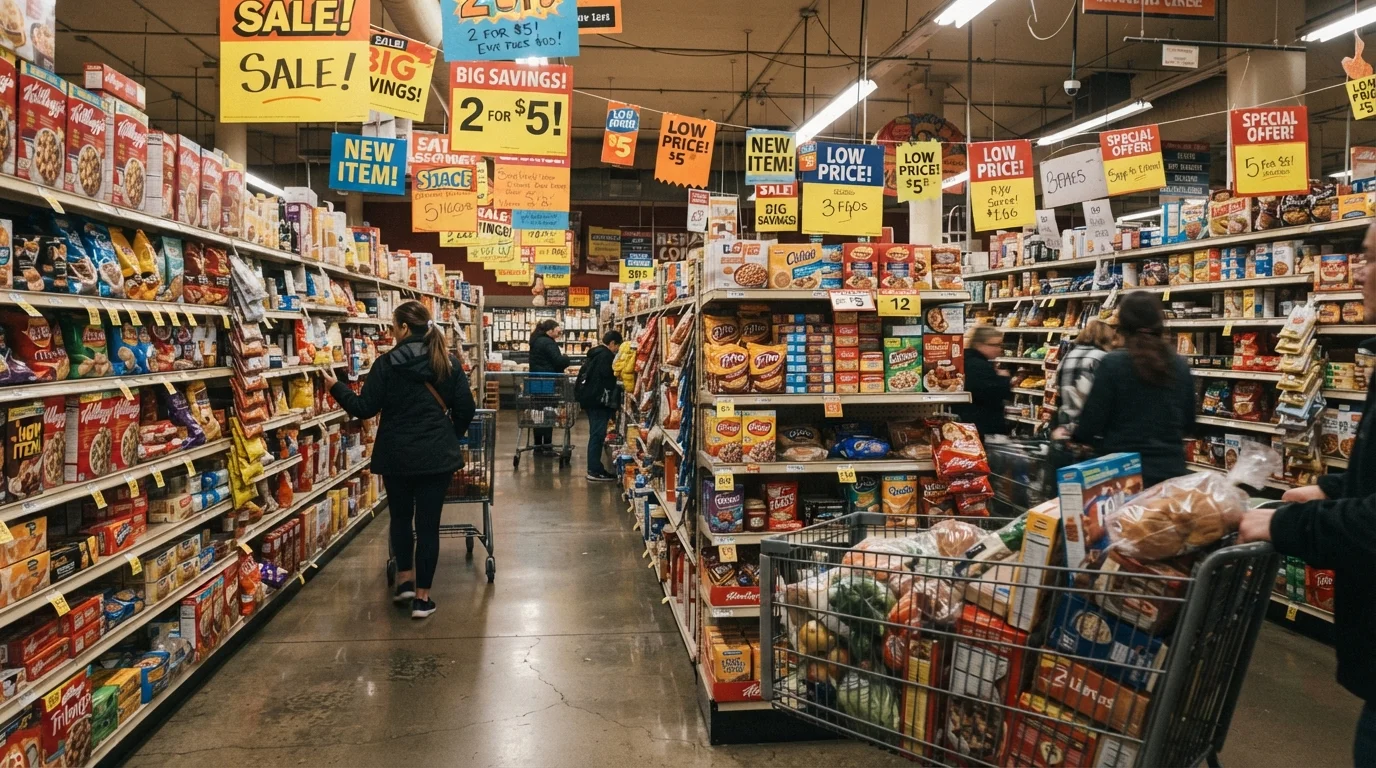
Countdown timers, "limited stock" badges, and flash sale labels are marketing tools, not neutral facts. Research in consumer behavior consistently shows that artificial scarcity increases purchase likelihood even when no real shortage exists. Before acting on urgency, pause and ask whether the deadline is real or retailer-imposed.
The Most Common Overpayment Mistakes-and How to Avoid Them
The mistakes below aren't signs of carelessness. They happen to attentive shoppers because retail strategy is specifically engineered to make them happen. Understanding why each one occurs is as important as knowing the fix.
Treating the original price as a trustworthy reference point.
Why it happens: Retailers use "anchor" prices-often the manufacturer's suggested retail price or a rarely-charged full price-to make discounts look larger than they are. Shoppers naturally use the first number they see as a benchmark.
Comparing pack prices without checking the unit price.
Why it happens: Larger packages feel like better value by default, and most shoppers don't do the per-ounce or per-unit math in the moment. Stores sometimes price smaller packages at a lower unit cost, which runs counter to intuition.
Buying something primarily because it's on sale, not because it was already on the list.
Why it happens: Sales create a psychological sense of urgency and opportunity. The feeling of "saving" money by buying something you didn't plan to purchase is a well-documented cognitive bias.
Skipping price comparisons for infrequent or unfamiliar purchases.
Why it happens: When shoppers don't buy a category regularly-appliances, seasonal goods, specialty tools-they have no mental baseline for what's reasonable, making them more vulnerable to whatever price is presented.
Ignoring the total cost of a purchase by focusing only on the monthly payment.
Why it happens: Financing offers break a large number into small, manageable-sounding installments. Interest, fees, and extended terms mean the real cost is often significantly higher, but that's easy to overlook when attention is on the monthly figure.
Loyalty Programs Can Obscure Real Prices
Member prices are often set against an inflated "regular" price rather than a genuine market rate. If you only ever see an item at its member price, you may have no reliable baseline for whether it's actually a good deal. Cross-check prices outside the loyalty ecosystem before assuming you're saving.
For category-specific guidance on where these patterns show up most, the Spending by Category hub breaks down common traps by household spending area. And if you're building smarter online habits, Smart Online Shopping covers the digital-specific version of many of these same dynamics.
~30%
Price premium paid by shoppers who skip comparisons
Consumer research suggests shoppers who rely on a single retailer's pricing regularly pay meaningfully more than those who compare across two or more sources.
2-3x
How much anchor prices inflate perceived savings
Studies in behavioral economics have found that presenting a higher reference price can more than double consumers' perceived value of a discount, regardless of its actual size.