Manhattan: More Than Midtown
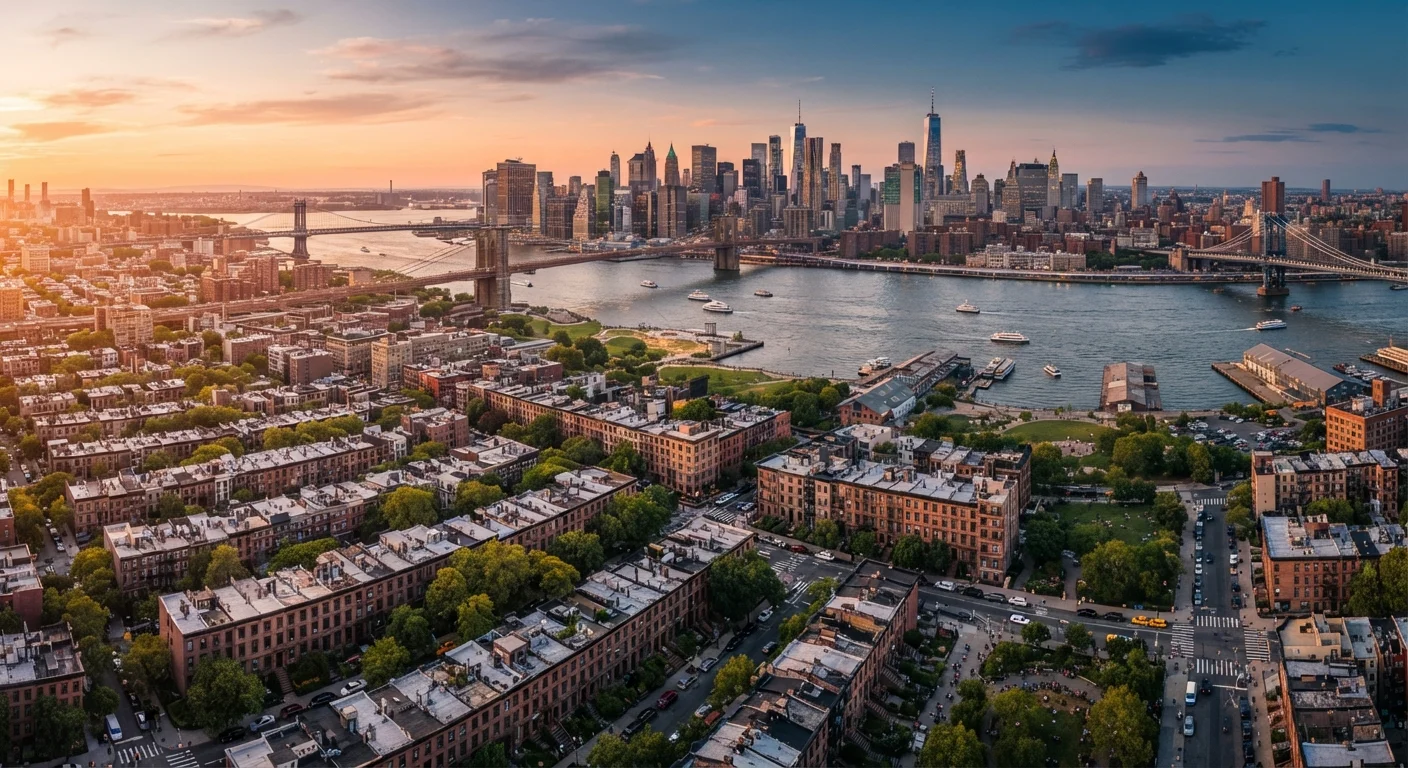
Most visitors spend the bulk of their time in Midtown Manhattan - Times Square, the High Line, Central Park - and leave thinking they've seen New York. They haven't. Manhattan's most interesting neighborhoods sit well outside that tourist corridor.
The Lower East Side carries layers of immigrant history beneath its current mix of bars, galleries, and Jewish delis. Harlem, stretching above 110th Street, has a deep cultural identity rooted in the Harlem Renaissance and remains a hub for gospel brunches, soul food, and jazz. Chinatown and Little Italy sit side by side downtown, though Chinatown has grown substantially while Little Italy has contracted to a few blocks of restaurants.
Greenwich Village and the East Village reward walkers with brownstone-lined streets, independent bookstores, and a lived-in feel distinct from the glass towers of the financial district nearby.
Use the Subway Map as a Planning Tool
Before finalizing your daily itinerary, cross-reference neighborhood locations against the MTA subway map. Neighborhoods that look close on a standard map can require multiple train transfers in practice. Grouping stops along a single line - like the 7 train through Queens or the A/C through Brooklyn - dramatically reduces transit friction and leaves more time for actual exploration.
Brooklyn: A Borough of Neighborhoods
Brooklyn is large enough to be a major city on its own, and its neighborhoods reflect that scale. Williamsburg draws attention for its nightlife and waterfront views of Manhattan, but it's been heavily gentrified and can feel tourist-facing. Neighboring Bushwick has a more active street-art scene and is slightly less polished.
Park Slope and Carroll Gardens offer tree-lined streets, strong coffee, and brownstone architecture that attracts families and long-term residents. Red Hook, accessible by ferry or a longer bus ride, sits along the waterfront with a quieter, industrial-meets-artisan character. Crown Heights and Flatbush remain predominantly residential neighborhoods with deep Caribbean cultural roots and excellent food that most tourists overlook entirely.
800+
Languages spoken across New York City
According to the NYC Mayor's Office of Immigrant Affairs, over 800 languages are spoken by residents, concentrated heavily in Queens neighborhoods like Jackson Heights and Flushing.
5
Distinct boroughs making up NYC
Each of the five boroughs - Manhattan, Brooklyn, Queens, the Bronx, and Staten Island - contains dozens of named neighborhoods with distinct histories and demographics.
3.5M+
Annual NYC Ferry riders
NYC Ferry has carried millions of riders annually since expanding its routes, connecting outer-borough waterfront neighborhoods that are otherwise poorly served by subway.
Queens and the Bronx: The Real Diversity Play
If you care about food, Queens may be the single most rewarding borough to explore. Flushing hosts one of the largest Chinatowns in North America, with a sprawling underground food court beneath the New World Mall. Jackson Heights offers a dense corridor of South Asian groceries, Nepali restaurants, and Colombian bakeries within a few walkable blocks.
Astoria, in the northwest corner of Queens, has historically had a strong Greek community and now reflects a broader mix of Middle Eastern, Brazilian, and South Asian residents. It's well-connected to Manhattan via the N and W trains.
In the Bronx, Arthur Avenue is the neighborhood most worth flagging for visitors - it functions as an authentic Italian-American market district where butchers, pasta shops, and bakeries operate in a covered market that has changed little in decades. Just as travelers exploring American cities benefit from local-insider framing - much like the approach covered in what locals know about New Orleans - the Bronx and Queens reward visitors willing to move past default itineraries.
Neighborhood Names Shift Over Time
NYC neighborhood identities evolve - areas get rebranded by real estate marketing, demographic shifts change community anchors, and longtime residents may use different names than what appears on tourist maps. When in doubt, ask someone who actually lives there. Local perspective almost always reveals nuance that no guidebook captures.
How to Choose Where to Focus Your Time
The most practical framework: lead with your interests, then check transit access. If you're drawn to history and walkability, lower Manhattan and Brooklyn Heights make sense. If food is the priority, build your days around Queens neighborhoods and supplement with downtown Manhattan. If art and nightlife matter more, Williamsburg, Bushwick, and the Lower East Side cluster well together.
Avoid the temptation to cover too much geography in a single day. Subway transfers between, say, Flushing and Red Hook can eat 45-60 minutes each way. Grouping neighborhoods by borough or subway line preserves your energy and cuts down on wasted transit time.
Finally, give yourself at least one morning with no fixed plan. NYC's street-level texture - the corner stores, the parks, the sidewalk conversation - doesn't show up on any itinerary. That unscheduled time often produces the sharpest impressions of what the city actually is.