Why Accommodation Deserves a Second Look
For most trips, lodging is the second-largest expense after airfare - and it's often where travelers feel most locked into a single approach. The assumption that hotels are the default option has been gradually eroding, and for good reason. Today's travelers have access to a wider set of accommodation types than at any previous point, each with distinct cost structures, trade-offs, and scenarios where they make sense.
This isn't about chasing the lowest possible price at any cost to comfort or safety. It's about understanding which accommodation format actually fits your trip - and your budget - before you start comparing nightly rates. As part of a broader budget travel strategy, getting accommodation right can free up real money for experiences, food, and unexpected costs. Before booking anything, it's also worth understanding hidden fees that can quietly inflate a booking - they appear in alternative accommodation types too, not just hotels.
Vacation Rentals for Groups and Longer Stays
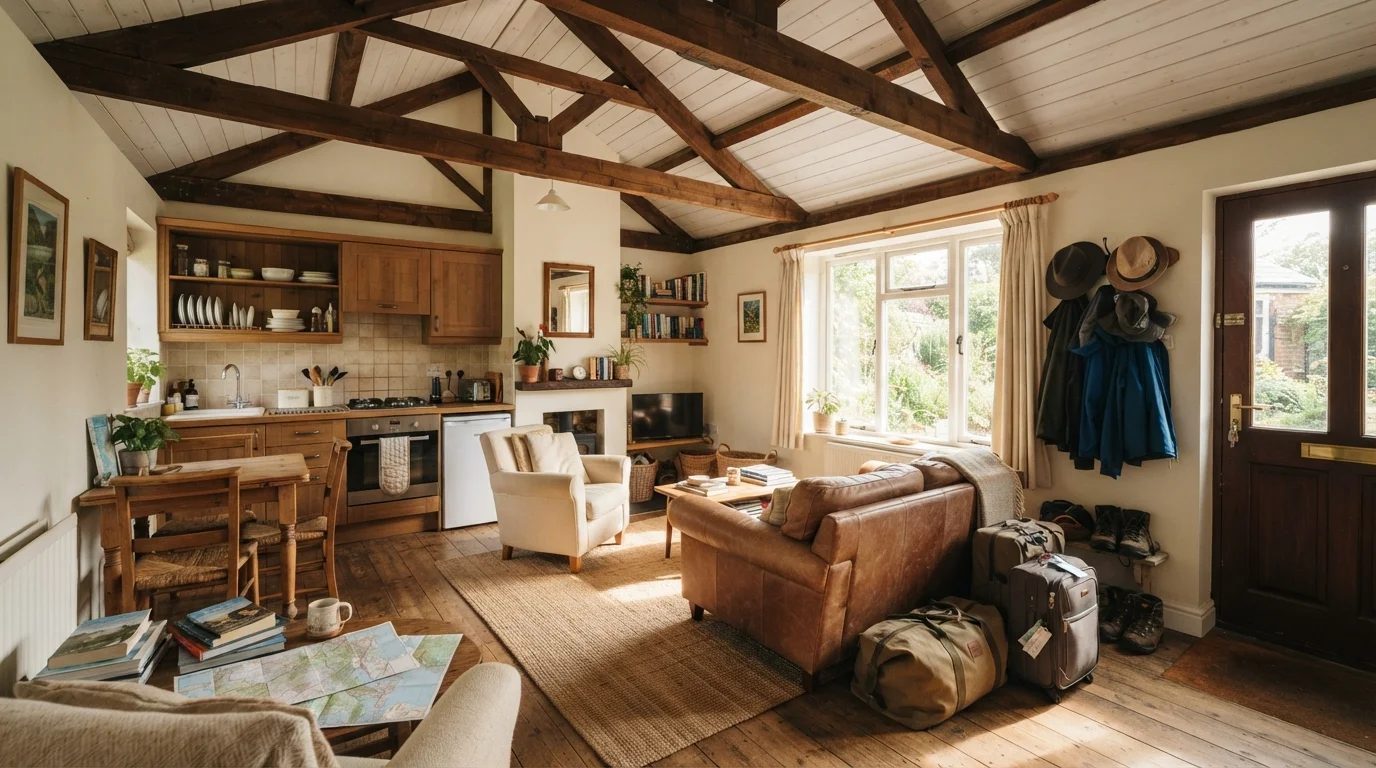
Renting an apartment, condo, or house can be significantly more economical than booking multiple hotel rooms - particularly for families or groups of three or more. When the nightly cost is divided among several people, per-person rates can drop well below comparable hotel pricing, even in major cities.
The value case strengthens further on longer trips. Most rental platforms allow hosts to offer weekly or monthly discount rates, and access to a kitchen reduces meal costs meaningfully. The trade-off: vacation rentals typically lack daily housekeeping, 24-hour front desk support, and the consistent quality controls of branded hotels. Reviews and host communication history matter more here than with traditional lodging. Cleaning fees also need to be factored into the true nightly cost before comparing options.
Splitting a vacation rental among a group can cut per-person lodging costs far below hotel rates.
Hostels - Including Private Rooms
The word "hostel" still triggers assumptions about cramped dormitories and student-aged travelers, but the category has evolved considerably. Many hostels now offer private rooms with en-suite bathrooms, air conditioning, and amenities like co-working spaces, rooftop bars, and organized social activities - at rates that typically undercut hotels in the same area.
For solo travelers in particular, hostels offer a social infrastructure that hotels rarely match. Travelers who assume hostels are only for young backpackers may be leaving a genuinely practical option off the table. Shared dorm rooms remain the most affordable option, but private hostel rooms often sit in a middle tier that suits travelers wanting savings without sacrifice of privacy.
Private hostel rooms combine real savings with privacy - a middle tier many travelers overlook.
Home Exchange Programs
Home exchange involves swapping your residence with another traveler's home, either simultaneously or using a points-based system that allows non-simultaneous exchanges. The core appeal is simple: accommodation costs effectively drop to zero for both parties, beyond an annual membership fee charged by the platform facilitating the exchange.
This model works best for homeowners with desirable locations - urban apartments, beach-adjacent properties, or homes in destinations that attract steady visitor interest. Remote or rural properties can still generate exchanges but may require more patience. Trust and communication are central to the arrangement; most platforms use reviews, verification processes, and messaging systems to facilitate this. It's not suited to spontaneous travel planning, but for deliberate, advance-booked trips, the savings can be substantial.
Home exchange can reduce accommodation costs to near zero for homeowners willing to plan ahead.
Extended-Stay and Aparthotel Options
Extended-stay hotels and aparthotels occupy useful middle ground between traditional hotels and full vacation rentals. They typically offer kitchenettes or full kitchens, in-room laundry access, and weekly rate structures that reduce the nightly cost for stays of five nights or longer. They also retain some hotel-style services - front desk support, periodic housekeeping, and predictable quality standards.
These properties are common near business districts, medical centers, and universities, which means they're often available in markets where vacation rentals are sparse or heavily regulated. For travelers on longer planned trips who book in advance, extended-stay options can be more cost-predictable than short-term rentals, where pricing can fluctuate significantly based on demand.
Extended-stay properties reward longer bookings with lower nightly rates and kitchen access.
Guesthouses, B&Bs, and Local Inns
Guesthouses and small bed-and-breakfast properties often price below comparable hotels while offering a more personal experience. Breakfast inclusion, when genuine rather than token, can reduce daily food spending. Hosts frequently provide local knowledge that generic hotel concierge desks can't match - which neighborhoods to focus on, which food spots are worth the queue, transit shortcuts that aren't obvious to visitors.
Quality and consistency vary more widely than with branded hotels, which makes reviews especially important. In popular destinations, independent guesthouses may be located slightly outside the main tourist core - which can be an advantage if you prefer quieter surroundings, though it adds transit considerations. This option tends to work well in destinations where local hospitality culture is strong, such as parts of Europe, Southeast Asia, and Latin America.
Local guesthouses often include breakfast and insider knowledge that chain hotels rarely offer.
University and Institutional Accommodation
During summer months and academic breaks, many universities open their residence halls and campus facilities to paying guests. Rates are typically modest - sometimes well below hostel pricing - and facilities often include cafeteria access, recreation areas, and campus grounds. Location varies: some campuses are centrally placed in major cities, while others require a transit connection to reach central areas.
Availability windows are narrow and booking processes vary by institution, so this option rewards advance planning and organized research habits. It's particularly practical for travelers attending academic events, conferences, or for those touring multiple cities over an extended summer trip. Comfort levels are functional rather than luxurious - private bathrooms are not always included - but for price-focused travelers, the savings are real.
University accommodation during academic breaks offers some of the lowest institutional lodging rates available.
A Few Things to Verify Before You Book
Whatever accommodation format you choose, a handful of verification steps apply across the board. Read cancellation policies carefully - they vary significantly between platforms and individual hosts. Check whether cleaning fees, service charges, or security deposits are included in the advertised price, since these can close the gap between an apparently cheap rental and a mid-range hotel. For international stays, confirm whether the listing price reflects local taxes.
Always Calculate the True Nightly Cost
Advertised prices on alternative accommodation platforms rarely reflect what you'll actually pay. Add cleaning fees, service charges, and applicable taxes before comparing options. A rental listed at $90 per night may reach $140 per night once all charges are factored across a three-night stay. Run this calculation on every option before deciding.
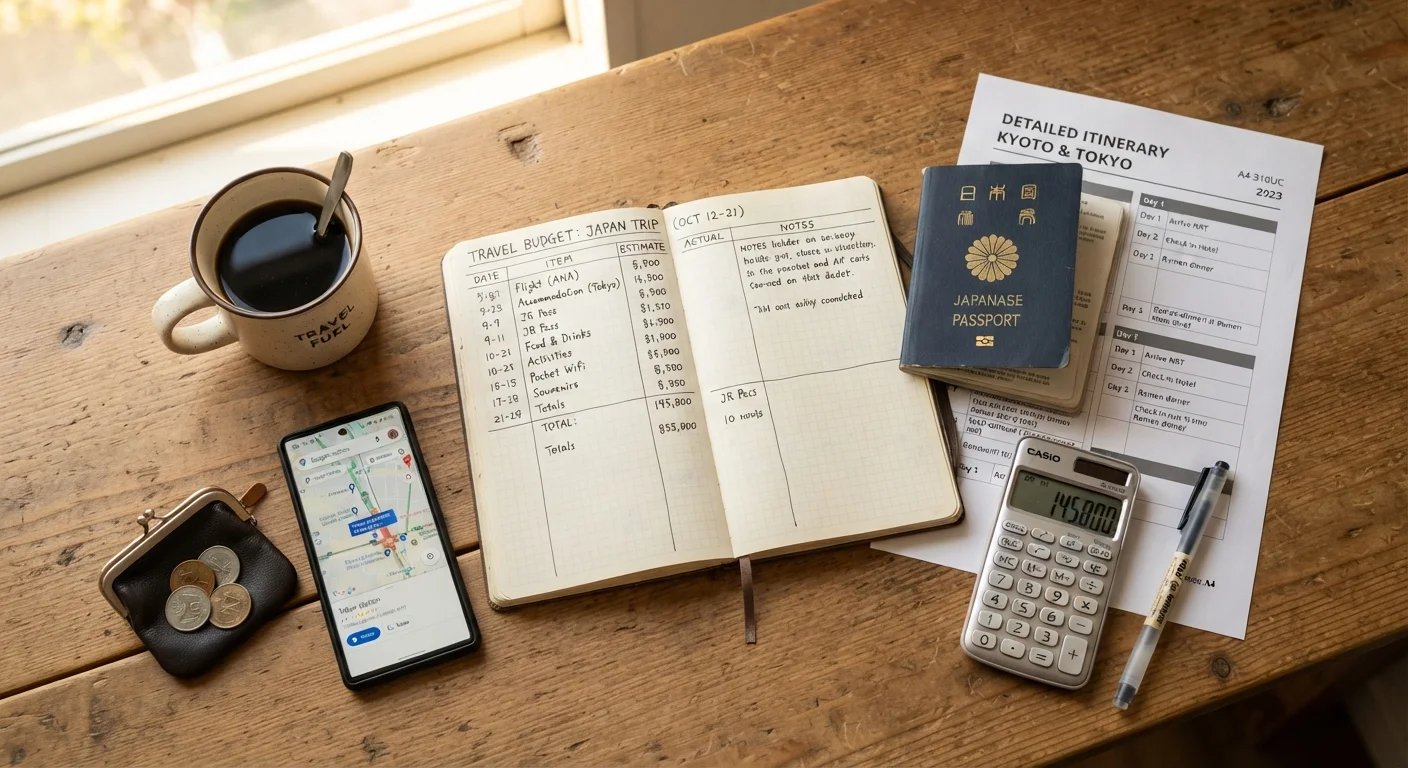
For travelers who want a fuller picture of what shapes accommodation costs - and trip costs more broadly - building a trip budget that reflects reality is a useful companion exercise before you commit to a booking approach. And since timing affects rates across every accommodation type, it's worth understanding how shoulder season shapes both cost and experience.