
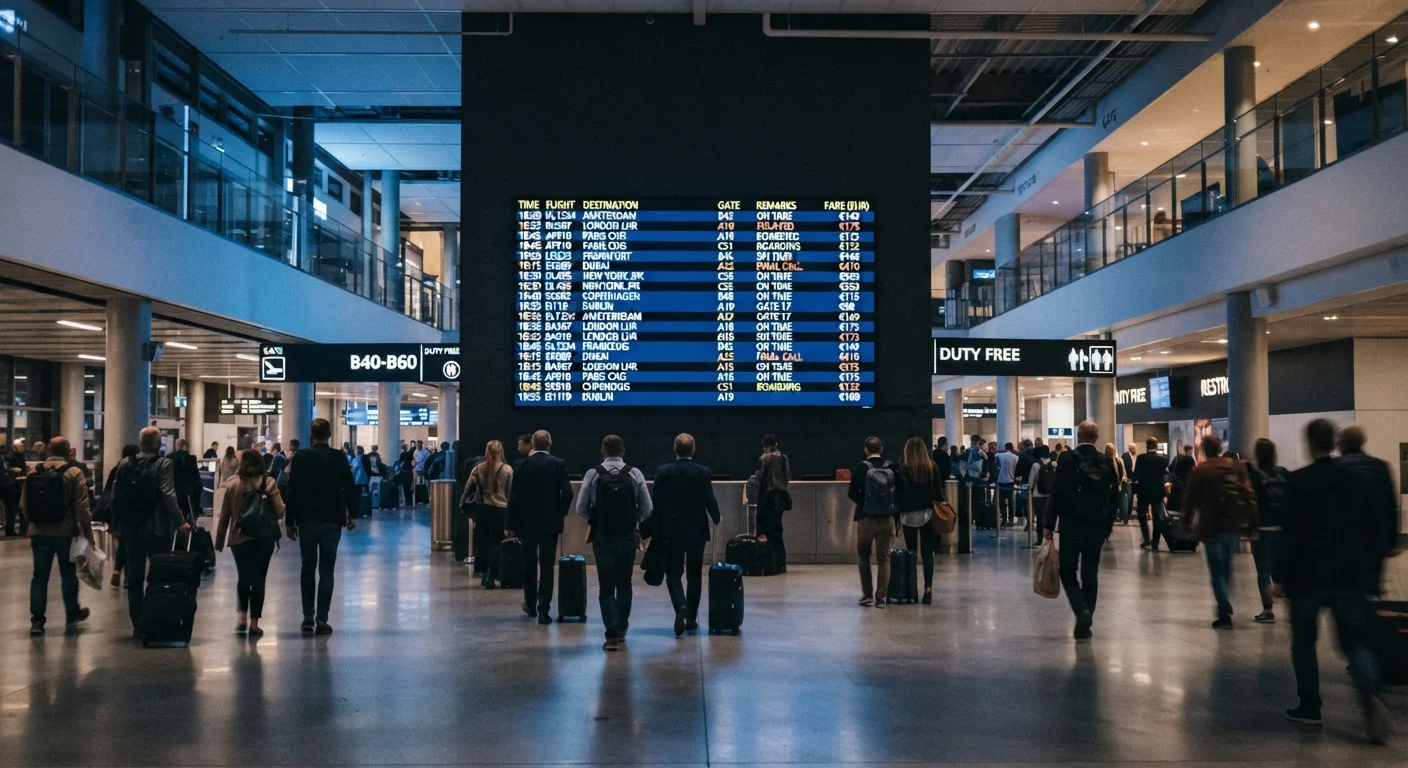
How Airlines Actually Set Prices
Airfare pricing is not a simple cost-plus calculation. Airlines use yield management systems - sophisticated algorithms that adjust prices in real time based on dozens of variables. The goal is to maximize revenue per flight, not to offer the lowest possible fare.
Each flight has a fixed number of seats, and airlines segment those seats into fare buckets - inventory classes designated by letter codes (like Y, B, M, Q, or N). Each bucket carries a price and a seat count. The cheapest buckets open first; as they sell out, the algorithm moves to the next bucket at a higher price. By the time a flight is 70-80% full, the lowest-priced buckets are almost always gone.
This structure means that price is a function of availability at a moment in time - not a stable reflection of the flight's actual cost to the airline. A fare that seems high today may have been significantly lower two weeks ago, or may drop again if bookings stall. Understanding this dynamic is the first step toward reading the market rather than reacting to it.
~26%
Average U.S. airline seat occupancy variance by route type
Load factors on domestic U.S. routes vary significantly between competitive hub-to-hub routes and thin regional markets, influencing how aggressively airlines discount.
1-4 months
General advance booking window for domestic fares
Industry analysis from multiple fare research sources suggests this window captures a reasonable price range for most U.S. domestic routes, though results vary by route and season.
Up to 20+
Fare bucket classes per flight cabin
A single economy cabin can contain a dozen or more distinct fare inventory classes, each at a different price point, explaining wide swings in what passengers pay for identical seats.
Load Factor: The Hidden Engine Behind Fare Drops
Load factor refers to the percentage of seats on a flight that are filled. Airlines target a specific load factor per route to break even and turn a profit. When a flight is tracking below its load factor target - meaning it's selling slower than expected - the yield management system may release cheaper fare buckets to stimulate demand.
This is why fares on less popular routes or off-peak travel windows can be genuinely low: the airline needs bodies in seats and adjusts pricing accordingly. On high-demand routes (think holiday weekends or major events), load factors are expected to be high and airlines have no incentive to discount. Those fares trend up, not down, as departure approaches.
For travelers, this means that the best fares are structurally linked to routes and dates where demand is softer - not simply to a particular booking window. Fare calendars make this visible: you can see where demand dips across weeks and months and align your travel accordingly.
Use Fare History, Not Just Current Price
Before booking, check whether the fare you're seeing is actually low for that route - not just low compared to the number next to it on the page. Several flight search tools display price history graphs that show how a route has priced over the past few months. A minute spent on this check separates genuine deals from pricing theater. For a systematic approach, see why standard flight searches miss better fares.
Timing, Competition, and Route Structure
Two other forces shape whether a fare is genuinely low: competitive pressure and route structure.
On routes served by multiple carriers, competition keeps fares in check. When one airline drops a fare bucket, competitors often match - creating brief windows of lower pricing across all carriers. On routes where a single airline dominates (particularly smaller regional routes), that competitive check is absent and fares tend to be stickier and higher.
Route structure also matters. Connecting itineraries - those with a layover - are frequently priced lower than nonstop flights because they are less convenient and face more competition from combinations of routes. A traveler willing to take a connection is often accessing a different, cheaper segment of the fare market.
Booking timing is real but nuanced. Research generally suggests that for domestic U.S. flights, booking one to four months in advance captures reasonable pricing for most routes - but this varies by season, route, and year. There is no universal magic window. What matters more is whether the fare is low relative to the historical range for that specific route, not whether you booked on a Tuesday. Tools that track price history, or well-configured price alerts, give you that context.
Distinguishing a Real Deal from Pricing Theater
Airlines and booking platforms can make an ordinary fare look exceptional by displaying a higher reference price alongside the current fare - a technique well-documented in consumer research. That $189 ticket next to a crossed-out $420 may simply reflect a different fare bucket from weeks ago, a different cabin class, or an inflated baseline.
A fare is genuinely cheap when it falls below the historical range for that route and travel period - not just below another number on the same page. This distinction matters. Booking a flight because it looks cheap compared to the number next to it, without knowing whether that route typically prices below $200 or above $400, is not informed decision-making.
Checking fare history, comparing across search tools, and understanding the route's competitive dynamics gives you the context to judge. This connects directly to a broader pattern worth understanding: how deceptive pricing works online - the same mechanics that inflate retail deals appear in travel pricing too.
Finally, remember that points and miles add another dimension to fare value. A flight priced at $300 cash may cost fewer miles than a $200 flight on a route where award pricing is less favorable. Understanding how airline loyalty programs price awards is the logical next layer once you've internalized how cash fares work.
Prices, availability, and airline pricing practices vary and can change without notice. Always verify fares directly with carriers or booking platforms before making travel decisions.