Why Storage Containers Fail Without a System First
Walk into any home improvement store and the storage aisle looks like a solution to every cluttered shelf and overflowing drawer you've ever had. Labeled bins, stackable baskets, drawer dividers - they're satisfying to look at and easy to buy. The problem is that containers don't create organization. They contain it. And if there's no system underneath, those bins simply give disorder a nicer address.
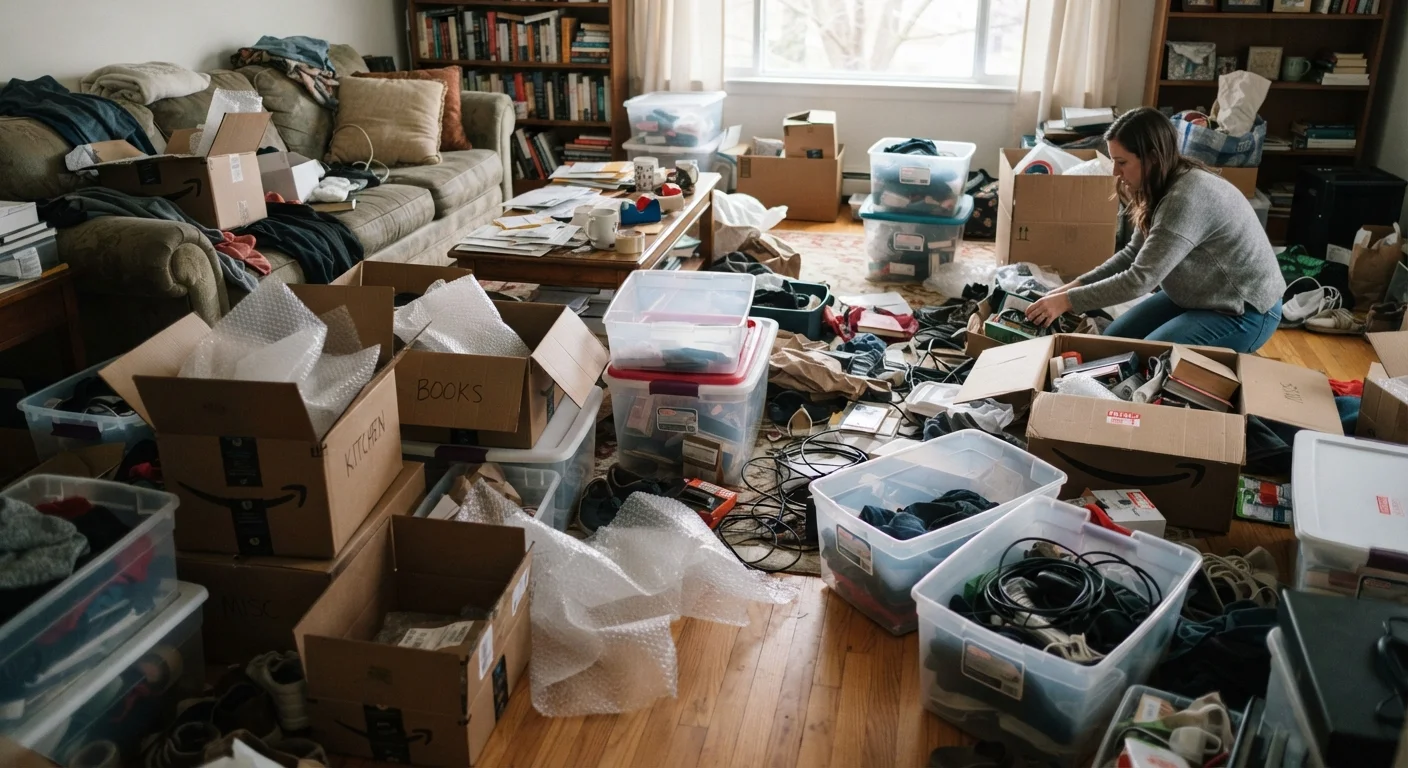
The urge to shop first is understandable. Buying something feels like progress, and a cart full of matching baskets signals intent. But when those containers arrive home before you've sorted, purged, or planned, they typically end up storing the same mix of unrelated items that were already sitting in a pile - just with a lid on top.
Effective home organization follows a specific sequence: sort first, decide what stays, then measure your space, and only then identify what containers you actually need. Skipping or reordering those steps is where most organizing efforts break down. The mistakes below follow that sequence - and understanding them can save you money, time, and the frustration of starting over.
Buying storage containers before sorting and decluttering your belongings.
Why it happens: Shopping feels like taking action, and containers are visually appealing. Most people assume they'll figure out what goes where once they have something to put things in.
Organizing everything without removing anything, so clutter is rearranged rather than reduced.
Why it happens: Letting go of belongings is emotionally harder than moving them. It's easier to fold, stack, or bin items than to make a decision about them.
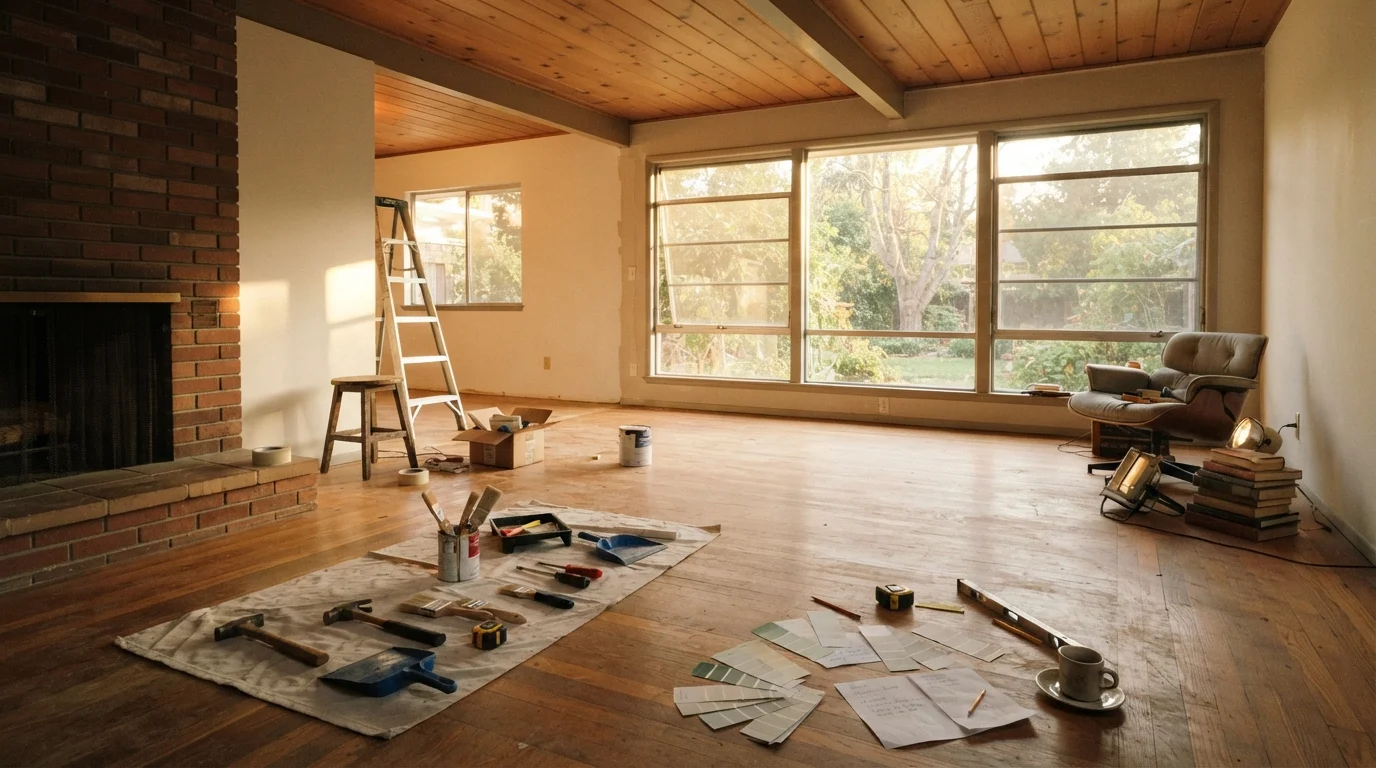
Purchasing containers without measuring the space they're intended for.
Why it happens: Shoppers estimate dimensions by eye, or buy a set because the sizing looks roughly right. The result is containers that don't stack, don't fit the shelf, or leave dead space.
Creating a system without labeling or communicating it to others in the household.
Why it happens: The person who organized the space knows intuitively where everything went. They assume the logic is obvious, but other household members are guessing.
Organizing a space once and expecting it to stay that way permanently.
Why it happens: A freshly organized space feels finished, and it's tempting to treat it as a solved problem. But daily use, seasonal shifts, and new acquisitions gradually erode any system.
Building a System That Actually Holds
Once you've worked through the common mistakes, the path forward is less about buying the right products and more about answering a few simple questions: What do I actually own? Where does each thing logically live? Who else uses this space, and how do they naturally behave?
For shared households, that last question is especially important. A system that only one person can maintain isn't a system - it's a chore. See how to build systems everyone can follow for practical strategies when household members have different habits.
For specific spaces, sequencing matters too. If a closet is where you're starting, closet organization from scratch walks through the full process before a single container is purchased. And if paper piles are part of the problem, it's worth remembering that paper clutter is usually a symptom of a missing intake system, not just a tidying failure.
Organizing Small Spaces Has Extra Stakes
In a small apartment or studio, buying the wrong containers can consume floor space you can't afford to lose. If you're working with limited square footage, constraints can actually sharpen your decisions - but only if you've sorted and measured before you shop. An ill-fitting bin in a small space isn't just inconvenient; it can make the room feel smaller and harder to navigate.
Organization also isn't a one-time event. The decluttering weekend that felt so productive can unravel in two months without small, consistent habits in place. Daily habits that keep a home organized matter just as much as the initial effort - and they're far less labor-intensive when the underlying system is sound.