Start by Emptying Everything Out
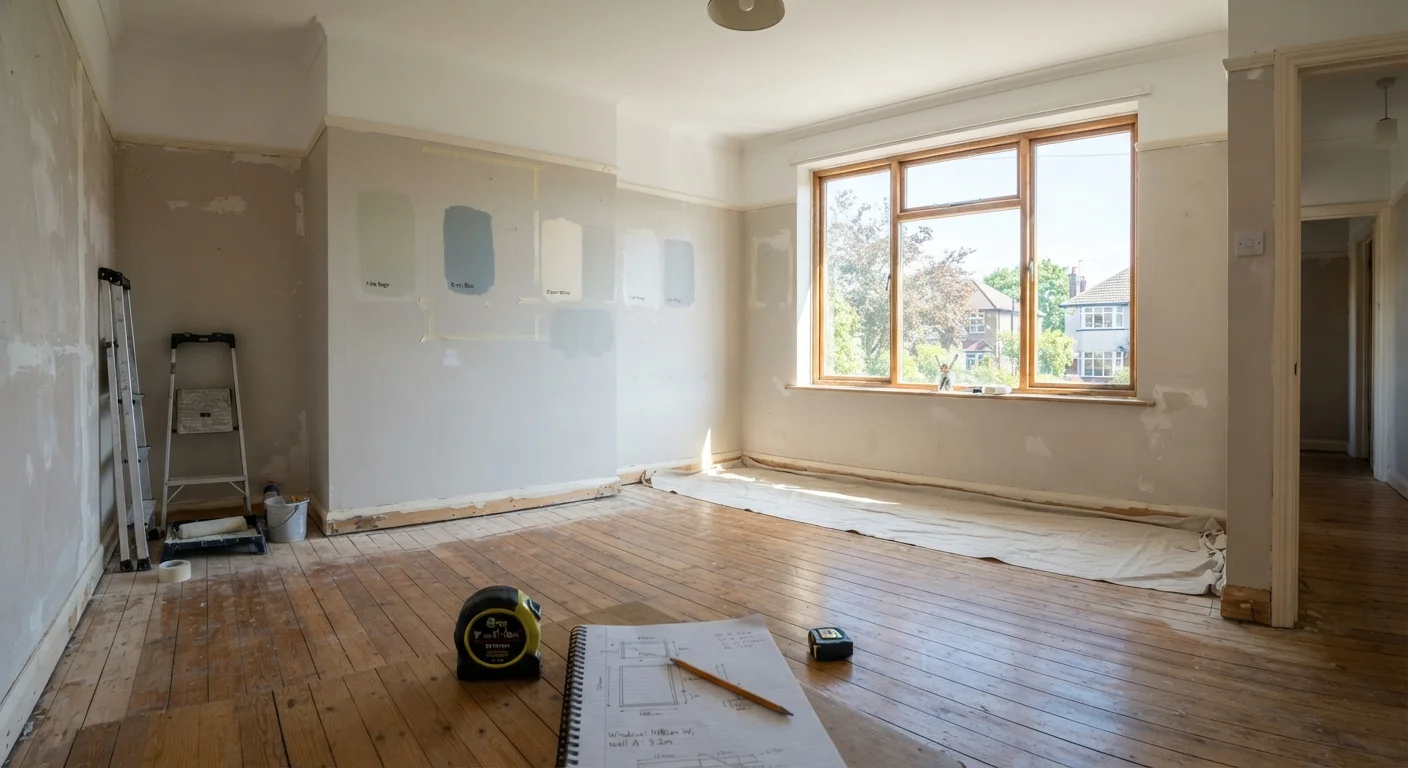
The most effective first step in closet organization is also the most counterintuitive: take everything out. Not most things - everything. This includes items pushed to the back, forgotten bins on the top shelf, and shoes piled on the floor. Laying everything out in the room gives you a true picture of what you're working with.
This step matters because organizing around existing clutter means you're designing a system for things you might not even want to keep. You also can't see dead zones, unused hanging space, or awkward corners until the closet is bare.
Don't Organize Around Clutter
Trying to organize a closet without removing items first is one of the most common reasons closets fall apart within weeks. You'll build a system around things you don't actually need, then run out of space for the items you use every day. Always declutter before you design.
Before you start pulling things out, have a plan for where they'll land. Spreading items across a bed or clear floor space - sorted loosely into categories - will save time during the next step.
Sort, Decide, and Declutter
With everything out, sort items into broad categories: clothing, shoes, accessories, linens, seasonal items, and anything that doesn't belong in a closet at all. Then make a keep-or-go decision on each item.
A reliable test: have you used it in the past year? Does it still fit your current life - not a future version of it? If an item survives only because of guilt or inertia, it's a strong candidate for donation or removal.
Zone
A dedicated area within a closet assigned to a specific category of items, such as shoes, folded clothes, or accessories. Zones make it easy to find and return things consistently.
Declutter
The process of removing items you no longer use, need, or want before organizing what remains. Decluttering first is essential - organizing clutter just hides it.
Vertical space
The usable area on walls and above eye level that most people leave empty. Shelving, hooks, and stacked storage can turn this overlooked space into practical storage.
Frequency sorting
Arranging items based on how often you use them - daily-use items stored at eye level and within easy reach, occasional items stored higher or lower.
Visual friction
Any design feature or disorganization that makes it harder to put something back where it belongs. Reducing visual friction is key to maintaining any organizational system.
Resist the urge to keep items "just in case" unless they serve a specific, realistic scenario. The more you remove now, the easier and more durable your system will be. For a broader approach to clearing out a whole home, our room-by-room decluttering playbook offers a structured method you can apply room by room.
Understand Your Closet's Layout
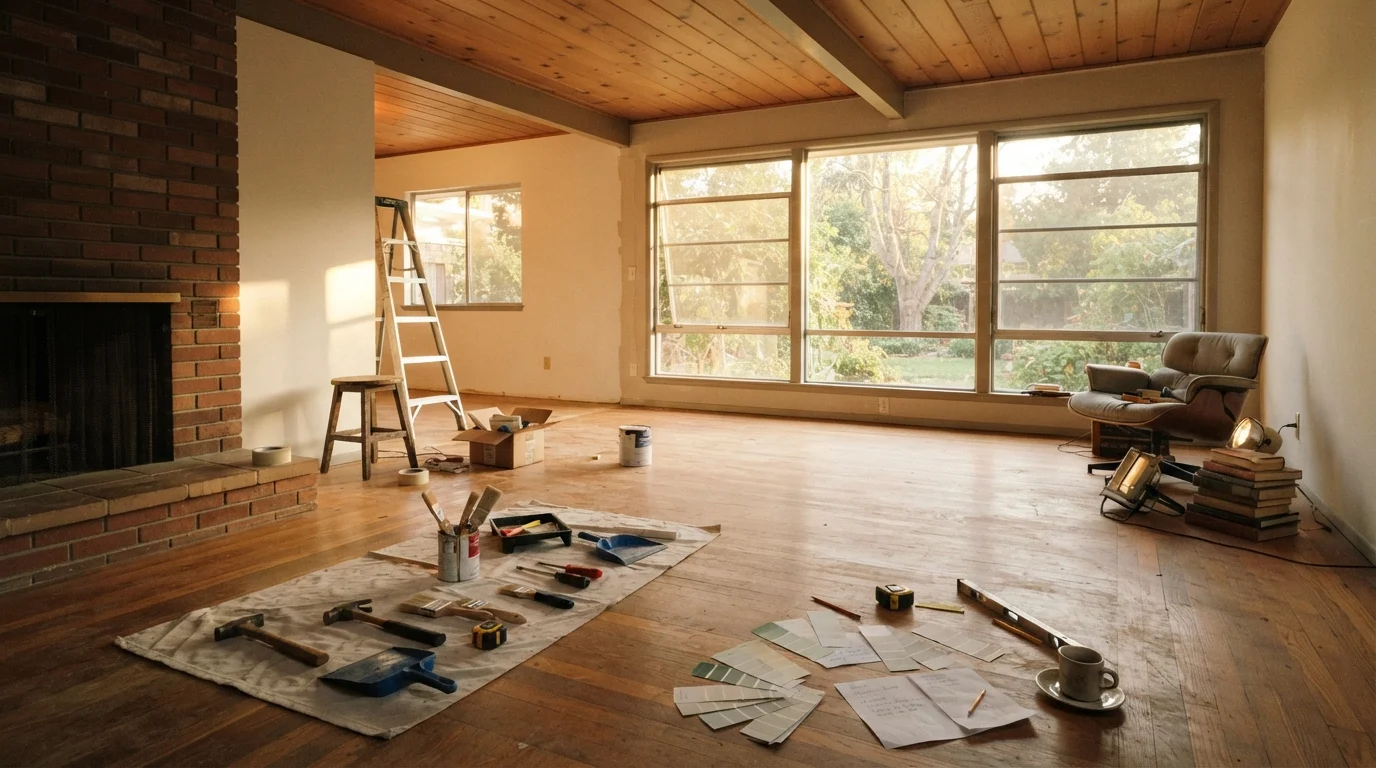
Before placing a single item back, study what you're working with. Measure the height, width, and depth. Identify where natural zones exist: floor space, the hanging rod area, and any shelving above. Pay special attention to vertical space - the area above existing shelves and along sidewalls.
Measure Before You Plan
Before buying any shelves, bins, or rods, spend five minutes measuring your closet's height, width, and depth. Note where the existing rod and shelves sit, and identify dead zones - typically the floor and the space above the top shelf. These measurements will guide every decision that follows and prevent costly returns.
Most standard closets underuse the space above the top shelf and the floor below hanging clothes. Shorter hanging items like jackets or folded shirts on a lower rod can open up room for a second rod underneath. Walls can hold hooks, narrow shelves, or pocket organizers without requiring any permanent changes.
If you're working with a small or awkwardly shaped closet, the principles in our article on vertical storage can help you find usable space you didn't know was there.
Build a System That Matches How You Live
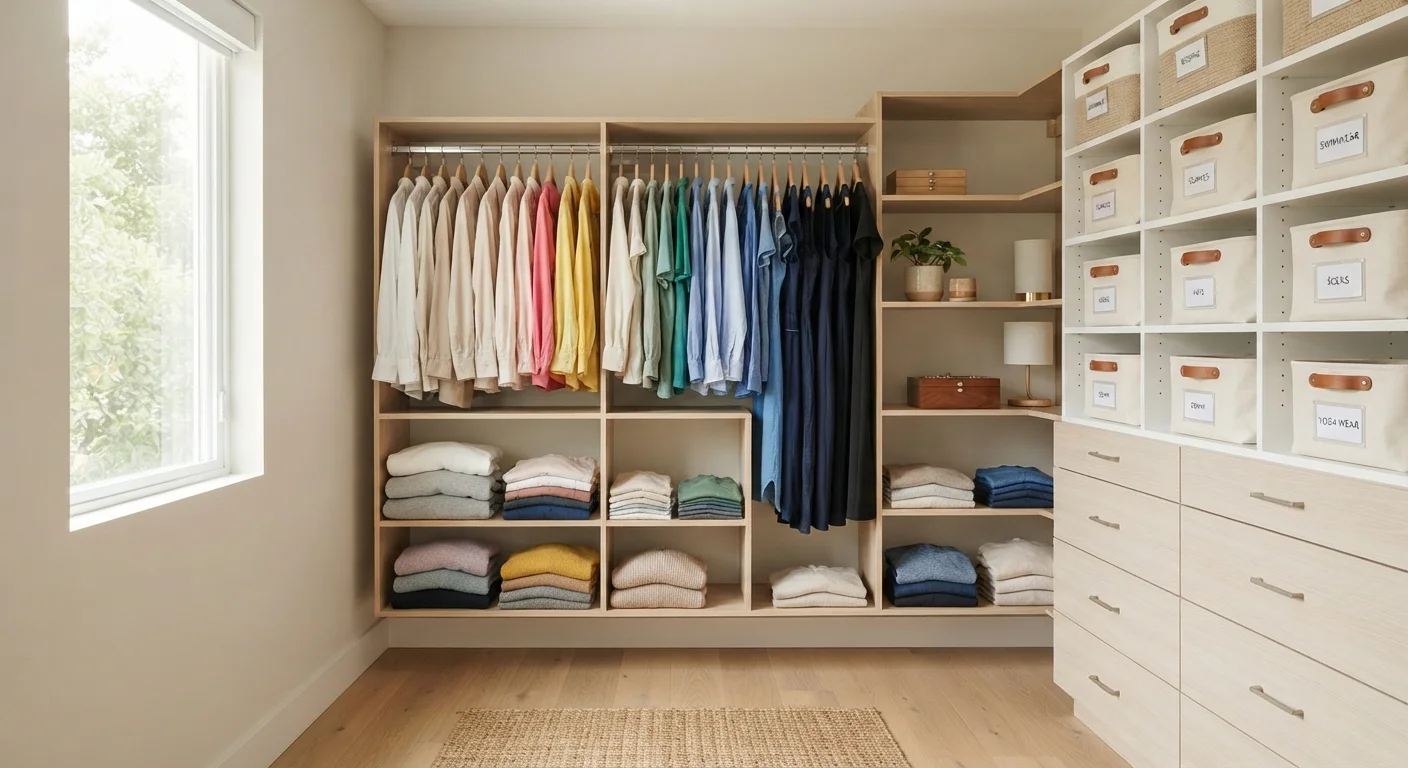
The most important principle in closet organization is frequency sorting: the things you reach for every day should be easiest to access, stored at eye level and within arm's reach. Items you use occasionally - formal wear, seasonal gear - can live higher up, lower down, or in less central spots.
Group items into zones based on category and how they're stored: hanging clothes together, folded items together, shoes along the floor or on a rack. Within each zone, consistency matters more than perfection. A system you can actually maintain beats an elaborate one you'll abandon.
Only after you've mapped your zones and confirmed what's staying should you consider storage products. As our article on why containers alone don't work explains, buying bins before building a system is one of the most common organizing mistakes. If you do shop for organizers, measure your closet first and buy only what fills a specific, identified gap.
Keeping It Organized Over Time
A closet organized from scratch will drift back toward disorder without a few simple habits in place. The key is reducing visual friction - making it as easy to put something back as it was to take it out. If returning an item requires more than a moment's thought, the system needs adjusting, not more willpower.
Practical habits that help: returning items to their zone immediately after use, doing a brief monthly check to remove anything that's crept in out of place, and reassessing seasonal items twice a year. If your household shares the closet, agreeing on basic rules upfront prevents daily friction - our guide to organizing shared spaces offers strategies for exactly this situation.
For a deeper look at the daily practices that prevent clutter from rebuilding, see our article on habits that keep a home organized. Organization isn't a one-time project - it's a set of small, repeatable decisions.
Small Closets Deserve Smarter Systems
Limited closet space isn't a design flaw - it's a prompt to be more intentional. Smaller closets often end up more functional than large ones because they force you to keep only what matters. If your whole home feels tight on space, our article on organizing a small apartment explores how constraints can actually work in your favor.