Passwords: The First Line of Defense
Weak or reused passwords remain one of the leading causes of account breaches. When one site is hacked and your password is exposed, attackers automatically try that same password on banking, email, and shopping sites - a technique called credential stuffing. The fix is straightforward: each account gets its own unique, complex password.
A strong password is at least 12 characters long and mixes letters, numbers, and symbols. That sounds difficult to manage, but a password manager - an app that generates and stores your passwords securely - does the heavy lifting. You only need to remember one master password. Most major operating systems now include a built-in option, and several well-regarded standalone apps exist.
Pair strong passwords with two-factor authentication (2FA) wherever a site offers it. With 2FA enabled, logging in requires both your password and a one-time code sent to your phone or generated by an authenticator app. Even if a thief steals your password, they cannot get in without that second factor.
Set up your password manager before you need it - add accounts gradually as you log in rather than trying to migrate everything at once. The habit forms faster this way.
Security behavior change research consistently shows that incremental adoption outperforms all-or-nothing approaches, reducing the friction that causes people to abandon good tools.
Choose an authenticator app over SMS text codes for two-factor authentication when given the option. Authenticator apps are not vulnerable to SIM-swapping attacks, where thieves hijack your phone number.
SIM-swapping incidents have been documented as a real and growing threat, allowing attackers to intercept SMS-based 2FA codes even without physical access to your device.
Recognizing and Avoiding Scams
Scams have evolved well beyond suspicious emails from foreign princes. Today's phishing attempts - fraudulent messages designed to steal your credentials or money - arrive via text message (called smishing), phone calls (vishing), and even social media direct messages. The Federal Trade Commission consistently ranks imposter scams, fake prizes, and online shopping fraud among the top consumer complaints each year.
Common red flags to watch for:
- Urgent language demanding immediate action (“Your account will be closed in 24 hours”)
- Requests to pay via gift card, wire transfer, or cryptocurrency
- Links that look almost right but have small misspellings (e.g., “paypa1.com”)
- Unsolicited attachments, even from contacts you know
When something feels off, go directly to the company's official website rather than clicking any link in the message. You can also report suspicious messages to the FTC at reportfraud.ftc.gov.
Never Pay a Stranger with Gift Cards
No legitimate government agency, utility company, or business will ever ask you to pay a bill or resolve an issue using gift cards. This payment method is a near-universal marker of fraud. Hang up or stop responding if anyone makes this request, regardless of how urgent they claim the situation is.
It's also worth checking out habits that feel safe but aren't - some widely repeated advice offers little real protection against modern scams.
Protecting Your Devices
Your phone, tablet, and computer are only as secure as their software. Manufacturers and app developers regularly release security updates that patch vulnerabilities - gaps in code that attackers can exploit. Delaying these updates leaves known doors open. Enable automatic updates on your devices so patches apply without requiring you to remember.
Beyond updates, consider these practical steps:
- Lock your screen with a PIN, fingerprint, or face recognition on every device.
- Use antivirus or endpoint protection software on computers; reputable options exist at no cost.
- Avoid public Wi-Fi for sensitive tasks like banking or shopping. If you must use public networks, a VPN (virtual private network) encrypts your connection so others on the same network cannot intercept your data.
- Back up your data regularly - to an external drive or a cloud service - so a ransomware attack or hardware failure does not cost you everything.
Public Wi-Fi Is Riskier Than It Looks
Café, hotel, and airport Wi-Fi networks are often unsecured, meaning other users on the same network could potentially intercept unencrypted data. Save banking, medical portal logins, and online shopping for your home network or mobile data connection. If travel requires public Wi-Fi regularly, a VPN is worth researching.
Managing Your Privacy Online
Privacy and security overlap but are not the same thing. Security protects you from unauthorized access; privacy limits how much data is collected about you in the first place. Both matter.
Start with app permissions. Many apps request access to your location, microphone, contacts, or camera even when those permissions aren't needed for the app's core function. Review permissions in your phone's settings and revoke anything that seems unnecessary.
On your web browser, consider enabling tracking protection or installing a reputable content blocker. Browsers increasingly offer settings that block third-party cookies - small files advertisers use to follow you across sites. Clearing cookies periodically and using private browsing mode for sensitive searches adds another layer.
Be thoughtful about what you share on social media. Details like your birthday, hometown, employer, and phone number - often public by default - are exactly what identity thieves use to answer security questions or impersonate you. Audit your profile visibility settings and limit what strangers can see.
81%
Of breaches involve weak or stolen passwords
According to Verizon's annual Data Breach Investigations Report, the overwhelming majority of hacking-related breaches exploit password vulnerabilities.
$10B+
Lost to online fraud annually in the U.S.
The FBI's Internet Crime Complaint Center (IC3) has reported consumer losses exceeding ten billion dollars in recent reporting years.
1 in 3
Americans affected by a data breach
Industry analyses suggest roughly one in three U.S. adults has had personal data exposed in a breach at some point, underscoring how widespread the risk is.
Safe Habits for Everyday Browsing and Shopping
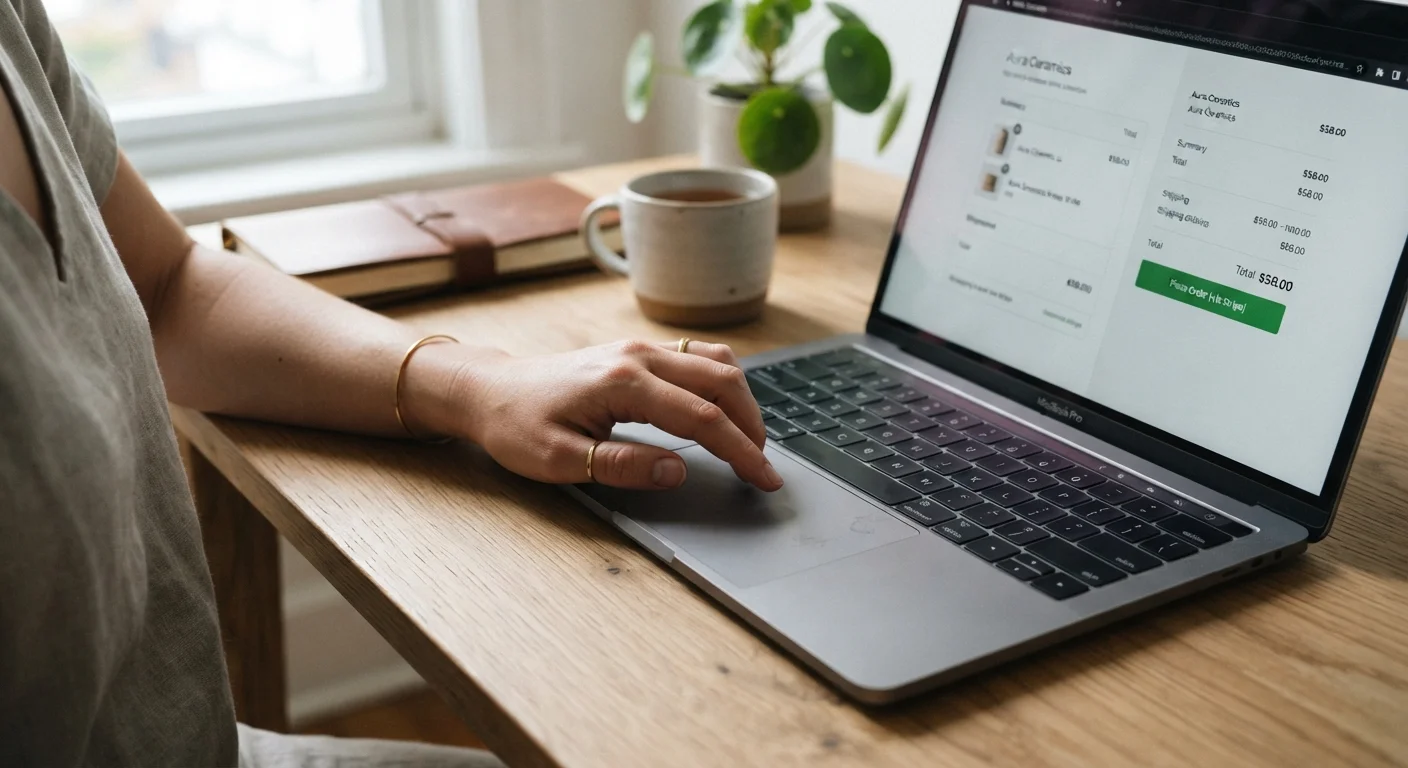
A few consistent habits cover a wide range of threats during routine internet use. Before entering payment details or personal information on any website, confirm the address bar shows HTTPS (the padlock icon indicates an encrypted connection). This does not guarantee a site is legitimate, but it does mean your data is transmitted securely.
When shopping online, using a credit card rather than a debit card gives you stronger dispute rights if a fraudulent charge appears. Many card issuers also offer virtual card numbers - single-use or merchant-limited numbers that protect your real card details. For more guidance on navigating online purchases safely, the smart online shopping hub covers the full picture.
Finally, consider a periodic self-audit: check whether your email address appears in known data breaches (HaveIBeenPwned.com is a widely used, free resource), review which third-party apps have access to accounts like Google or Facebook, and delete accounts you no longer use. Dormant accounts are attractive targets because owners rarely notice suspicious activity on them.
For a broader set of digital tools and apps that can simplify managing your security and privacy, explore resources built specifically for everyday users.
Run a Quick Personal Security Audit
Once a year, spend 30 minutes reviewing your digital accounts: check for breached credentials at HaveIBeenPwned.com, remove unused app permissions, and confirm 2FA is active on your most important accounts. A brief annual check can catch problems before they become costly.