The Habits That Cost You Before You Even Click 'Buy'
Online shopping is designed to feel effortless - and that frictionless experience is precisely what makes it expensive. Several costly patterns start well before checkout, during the browsing and decision phase that most shoppers move through on autopilot.
Not checking price history before buying.
Why it happens: Most retail sites display only the current price, making it hard to know whether you're looking at a genuine deal or an inflated baseline. Shoppers assume a discounted label means a lower price.
Buying immediately in response to countdown timers or 'limited stock' alerts.
Why it happens: Urgency cues trigger a fear of missing out that short-circuits comparison shopping. Retailers use these prompts deliberately to compress decision time.
Skipping the return policy before purchasing.
Why it happens: Shoppers focus on the product page and price, rarely scrolling to the fine print. Return windows, restocking fees, and 'final sale' flags are easy to overlook.
Paying for a shipping membership without tracking whether it pays for itself.
Why it happens: Annual membership fees feel like a one-time cost, and the per-order shipping savings are visible. What's less visible is the total spending the membership encourages.
Shopping without a specific item in mind - browsing open-endedly.
Why it happens: Retailer homepages and recommendation algorithms are built to surface items you didn't plan to buy. Open-ended browsing almost always ends in unplanned spending.
Ignoring how small repeat purchases compound over time.
Why it happens: Individual low-cost purchases - digital add-ons, app upgrades, subscription boxes - feel trivial and are easy to forget. Their annual total is rarely visible.
Understanding these patterns is a meaningful first step. For a broader look at why overpaying is so common and follows recognizable behavioral grooves, see why shoppers overpay.
What Happens at Checkout That Most Shoppers Miss
Even careful shoppers can be caught off guard by what happens between adding an item to the cart and completing a purchase. Fees, adjusted totals, and membership upsells cluster at checkout - and they're designed to arrive late in the process when most people are committed to buying.
Checkout-Stage Fees Are Designed to Arrive Late
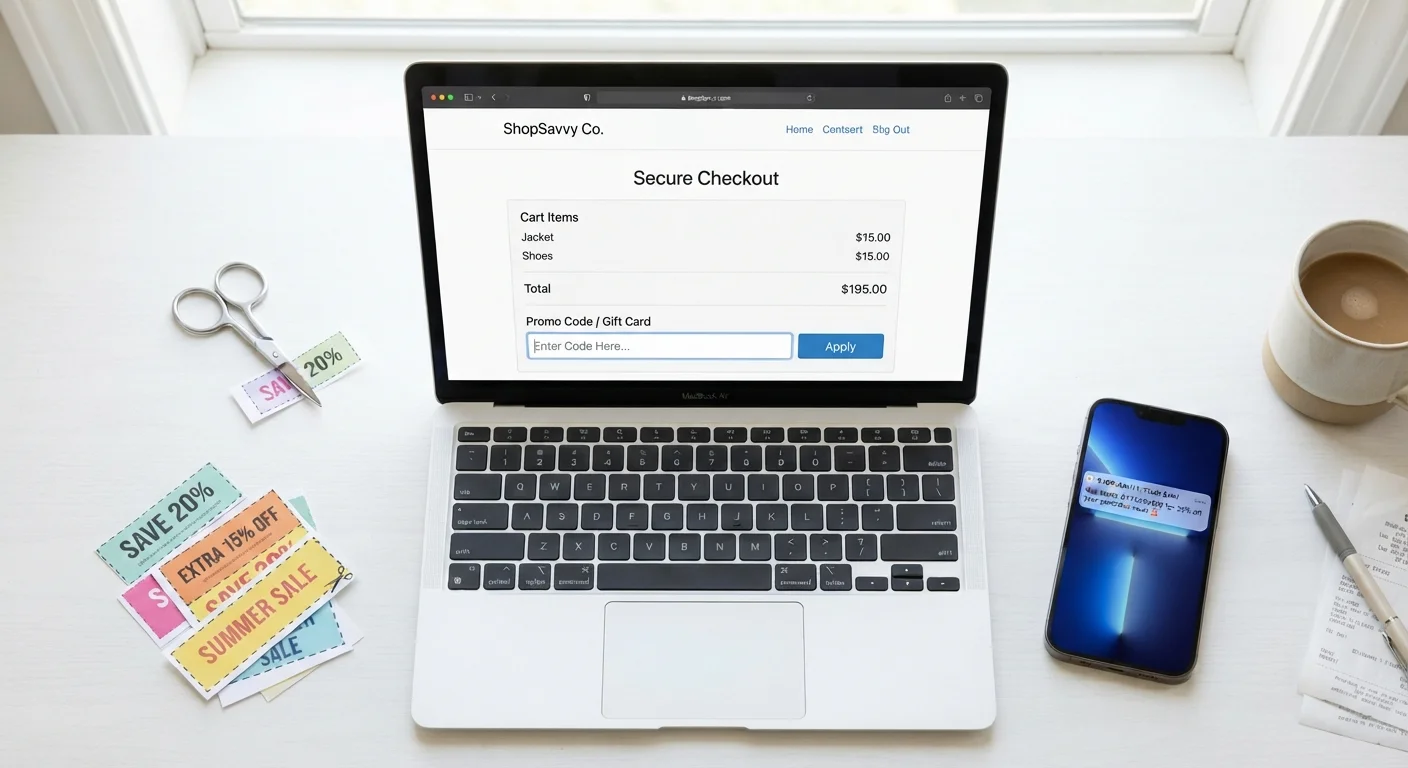
Shipping surcharges, handling fees, and tax estimates typically appear only at the final checkout step - after most shoppers are already mentally committed to buying. Always review the full order summary before entering payment information. If the total is meaningfully higher than the listed price, it's worth reconsidering or comparing on another platform before completing the purchase.
Cart totals routinely differ from what shoppers expect. Why your cart total always looks different at checkout breaks down the taxes, handling fees, and surcharges that inflate the final number. Similarly, "free shipping" offers come with their own hidden mechanics - covered in detail in the hidden costs buried in free shipping offers.
If you regularly carry a credit card balance after online purchases, the interest compounds quickly. Why paying only the minimum on a credit card is so costly explains how even modest revolving balances stretch the real cost of everyday purchases far beyond the sticker price.