Why the Wish List Has Become a Default Habit
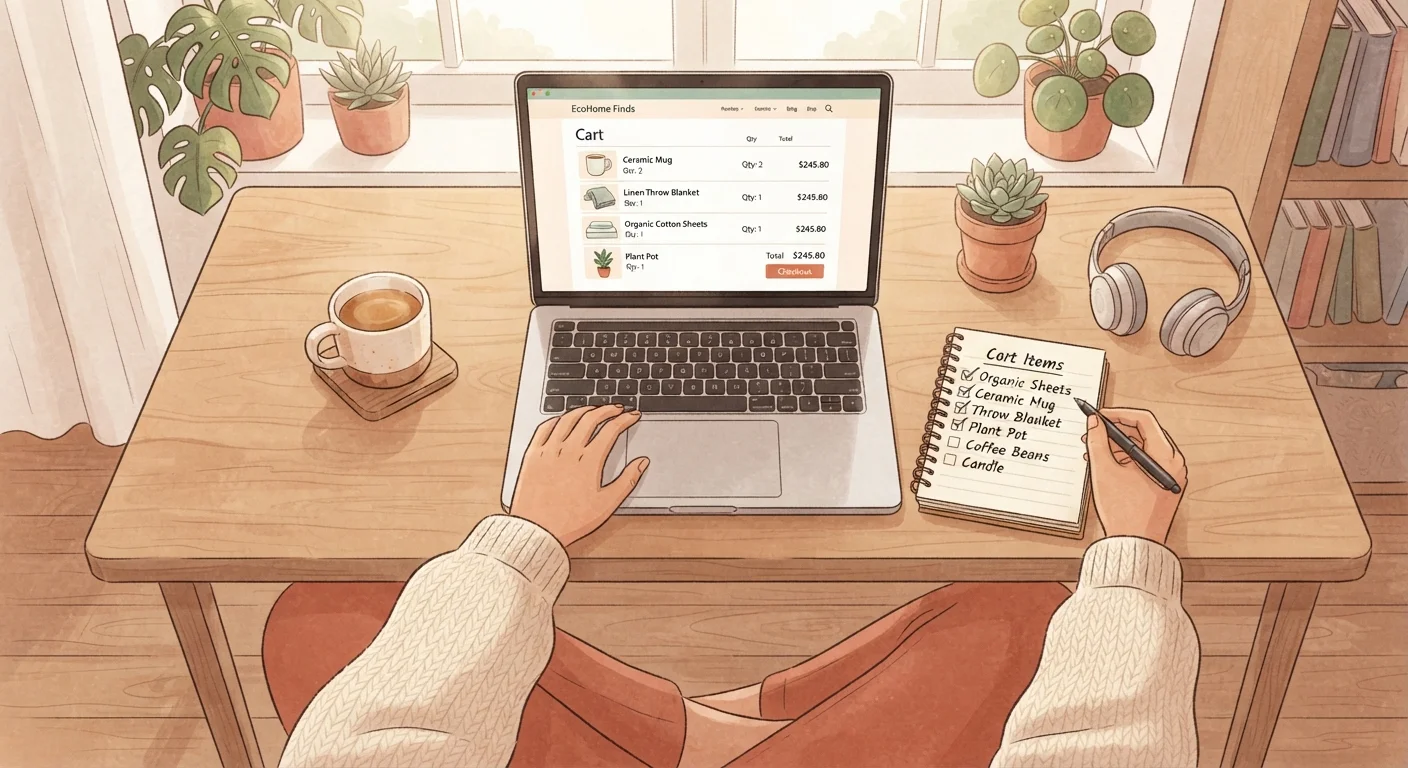
Online retailers designed wish lists as a convenience feature, but many shoppers have repurposed them as a spending filter. Instead of adding an item to the cart and checking out immediately, you park it on a list and revisit the decision later. The idea is simple: if you still want it after a few days - or after a price drop - it's worth buying. If you forget it entirely, it probably wasn't worth it to begin with.
This habit aligns with what behavioral economists call a "cooling-off period," a buffer that interrupts the automatic path from desire to purchase. Research into consumer behavior consistently shows that a meaningful share of online purchases - estimates vary, but some studies suggest upward of 40% - are unplanned at the moment of purchase. A wish list forces a gap between impulse and action.
That said, the strategy only works if you actually revisit the list with intention. Items that sit indefinitely become digital clutter, and the emotional reset you were counting on never happens. The wish list is a tool, not a passive savings mechanism. See common habits that quietly drain your shopping budget to understand where passive inaction can cost you just as much as acting too fast.
The Real Advantages of Waiting
Patience in online shopping delivers several concrete benefits - provided the conditions are right.
Interrupts impulse buying before it costs you
A deliberate pause between discovery and purchase breaks the automatic buy-now reflex. Many shoppers find that items they saved "for later" simply lose their appeal within a few days, filtering out low-priority spending naturally.
Creates a window to spot genuine price drops
Many online retailers adjust prices frequently. Waiting even one to two weeks on non-urgent items - especially electronics or home goods - can reveal a lower price that wasn't visible at first encounter.
Time to verify seller credibility and reviews
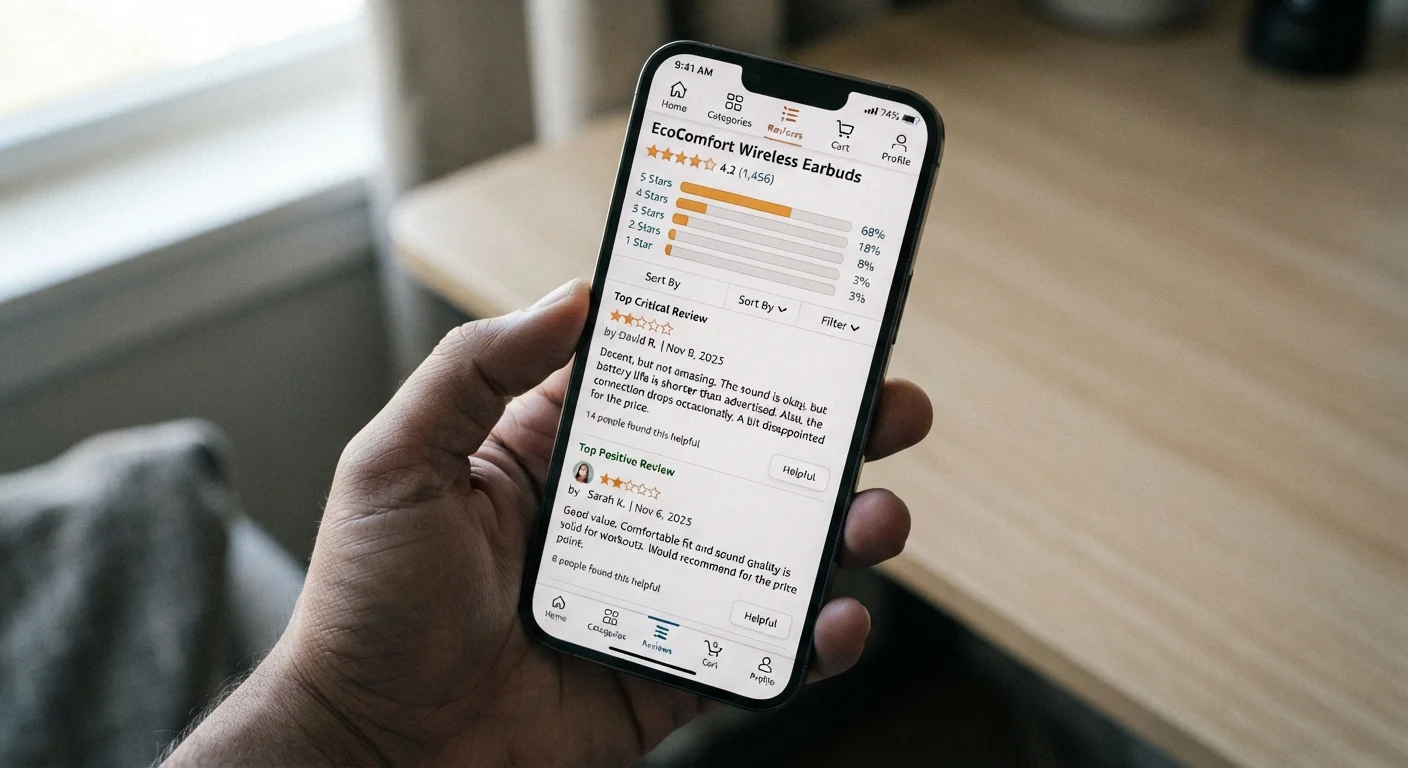
Stepping back gives you space to research whether the seller is reputable, whether the product has consistent reviews, and whether the return policy is reasonable - details that are easy to skip in the heat of the moment.
Reduces buyer's remorse on non-essential items
When you've had time to reflect and still want something, you're more likely to feel confident about the purchase rather than second-guessing it after it arrives.
Helps separate wants from genuine needs
The wish list acts as a lightweight prioritization tool. Items that stay on the list after several revisits signal real, sustained interest - useful information when you're managing a budget.
One underused tactic: use a price history tool (several browser extensions track this) to see whether a "sale" price is actually lower than the item's typical price. Retailers sometimes inflate reference prices before promotional events, making modest discounts look dramatic. A wish list gives you the time and distance to check. See the pre-purchase checklist for smart shoppers before you commit to anything flagged as a deal.
Where Waiting Backfires
The patience strategy has real limits, and it's worth being honest about them.
Popular items may sell out while you wait
Stock availability isn't guaranteed, particularly for trending products, limited runs, or items from small sellers. An item saved to a wish list can be gone - or significantly more expensive from a secondary seller - within days.
Prices can rise, not fall, over time
Supply constraints, increased demand, or changes in shipping costs can push prices upward. The assumption that waiting always leads to a lower price doesn't hold across all categories or market conditions.
Time-sensitive purchases have hard deadlines
Gifts for specific occasions, seasonal decorations, or event-related items don't offer the luxury of indefinite patience. Waiting too long on these simply means missing out or paying a premium for expedited shipping.
Wish lists can become neglected and disorganized
Without a habit of regular review, saved items accumulate without purpose. A cluttered wish list stops functioning as a deliberation tool and becomes another source of digital noise.
Delays can create indecision fatigue
Re-evaluating the same item multiple times without a clear decision rule can be mentally draining. Some shoppers find that repeated revisits amplify doubt rather than resolve it.
Some categories simply don't reward the wait. Limited-edition goods, handmade or small-batch products, and items from independent sellers often don't restock. Event-adjacent items - gifts, seasonal decorations, graduation presents - have hard deadlines that can't be negotiated. And in periods of supply chain disruption, prices on in-demand goods sometimes go up while you're waiting, not down. The same tension between early commitment and waiting applies to travel, where holding out for flexibility can sometimes mean losing access entirely.
Price History Tools Are Worth Using
Several browser extensions and standalone websites track historical pricing data for major online retailers, letting you see how a product's price has changed over weeks or months. This context is particularly useful around major sale events, when reference prices are sometimes inflated ahead of a discount. Checking price history before deciding to wait - or to buy - gives you a factual baseline rather than relying on a retailer's framing of what counts as a deal.
A Practical Framework for Deciding
Rather than applying one rule universally, it helps to sort purchases into rough categories before deciding whether to wait.
- High availability, no urgency: Electronics, household staples, books, and widely distributed apparel generally reward a wait of one to three weeks. Price fluctuations are common and trackable.
- Time-sensitive or limited stock: Items tied to a specific event, gifts with a firm deadline, or goods from small-batch sellers - buy when ready. Waiting here is usually a false economy.
- Big-ticket items: For significant purchases, a longer deliberation period makes sense regardless of stock concerns. Cross-check the price history, read independent reviews, and confirm the return policy before buying. A structured pre-purchase checklist can help you cover all the bases.
~40%
Online purchases that are unplanned at checkout
Multiple consumer behavior studies estimate that a significant share of online purchases are unplanned, though figures vary by product category and study methodology.
1-2 weeks
Common price-drop window for electronics
Price tracking services have documented that electronics and home goods often see price adjustments within one to two weeks of being listed, making short waits productive for these categories.
The deeper value of building this habit isn't just saving on individual purchases - it's cultivating a more intentional relationship with spending overall. Research on delayed gratification and financial outcomes suggests the ability to pause before spending is associated with better long-term financial health, though the relationship is more nuanced than pop psychology often implies.