How Price Trackers Actually Collect Data
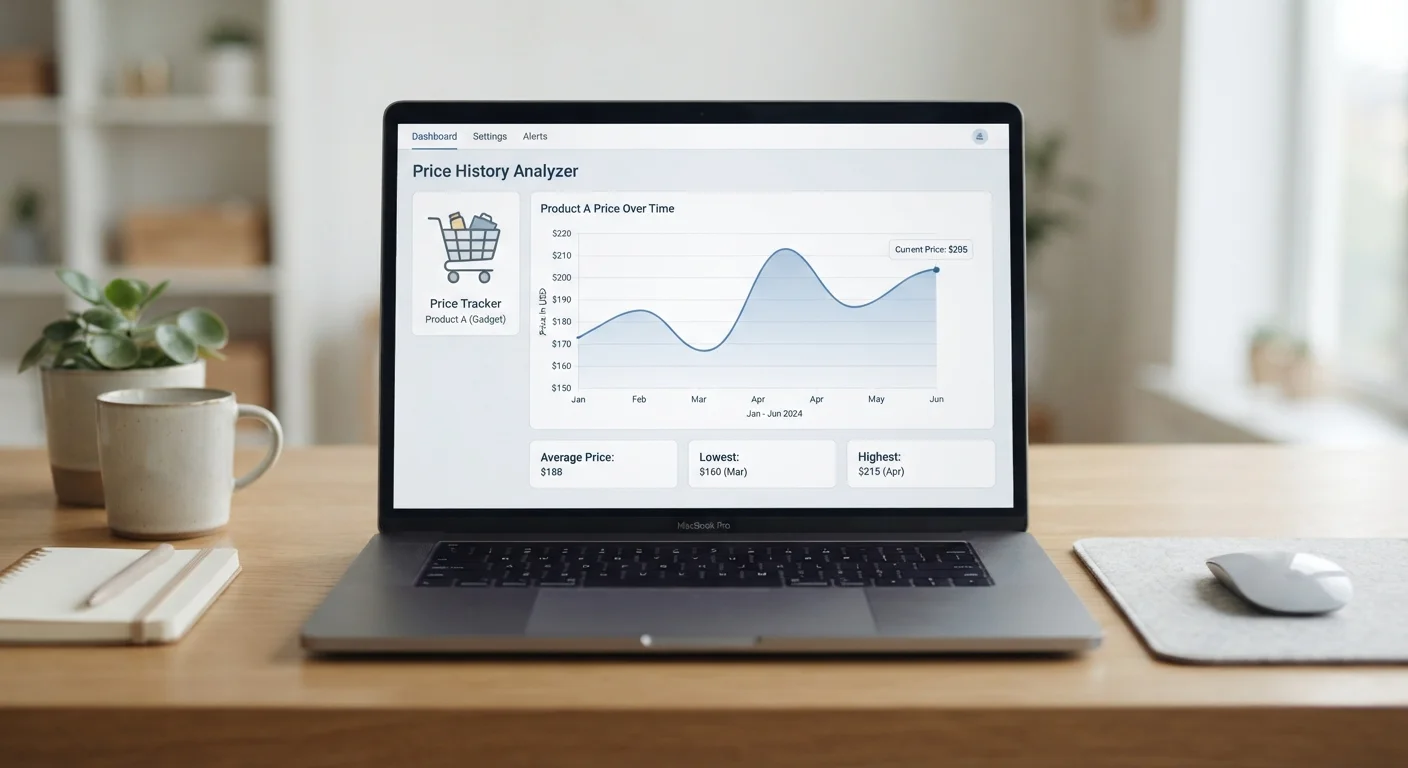
Price tracking tools work by periodically visiting product pages on retail websites and recording the listed price at that moment. Do this enough times over months, and you build a chart showing how a price has moved. That chart is the core product: context that a single price tag can't give you.
Most tools use automated scripts - often called scrapers - that check prices once or a few times per day. The data is stored and then displayed to users as a graph, usually alongside a note about the price's historical low, high, and average. Some tools also integrate directly with retailer APIs where available, which can produce more reliable data.
What they can't collect is equally important. Prices that require a login, member ID, or location to unlock won't show up in a standard scrape. Nor will prices from retailers the tool doesn't monitor. If you're only looking at the data one tracker provides, you're seeing a slice of the market - not the whole picture. For a broader method of evaluating what you're actually paying, the comparison shopping framework is a useful complement to any tracker you use.
~97%
Of shoppers who check prices before buying online
A Salesforce survey found that the vast majority of online shoppers research prices before completing a purchase, underscoring why price context matters.
Up to 6x
Price swings on some electronics during peak sale events
Consumer research has documented cases where reference prices are inflated ahead of promotional periods, making the eventual 'discount' appear larger than it is in historical context.
Where They Genuinely Help
The single most practical use case for a price tracker is catching inflated 'sale' reference prices. Retailers sometimes raise a product's listed price in the weeks before a big promotional event, then discount it back to - or near - the original price. The sale looks dramatic on the day, but the tracker's history chart tells a different story.
Trackers also help with patience. If you set a price alert for a specific target, you shift the decision from "should I buy this while it's on sale?" to "has it actually reached the price I decided was fair?" That's a meaningful change in how you engage with promotional pressure. It's a tactic that pairs well with understanding how discounts actually work before you start watching prices.
Set Your Target Before You Check the Sale
Before looking at any promotional price, decide independently what you'd be willing to pay for the item. Then check the tracker. This order matters: it keeps your target grounded in your own budget rather than anchored to whatever the retailer's reference price happens to be.
They work especially well for standardized products - consumer electronics, major appliances, and widely sold household goods - where the same SKU (stock-keeping unit, a unique product identifier) is sold across many retailers. The more consistent the product, the more reliable and comparable the price history becomes.
Where They Fall Short
Price trackers struggle with anything that lacks a stable identity across retailers. Clothing, groceries, handmade goods, and private-label products don't translate well because sizes, formulations, and quality vary too much between sources for a price comparison to mean much.
They also reflect publicly visible prices only. Warehouse clubs, member-only programs, negotiated fleet or business pricing, and credit card portal pricing all sit outside what a typical tracker sees. If a significant share of your spending runs through those channels, a tracker's data may be less relevant to your actual choices.
There's also a subtler risk: over-relying on historical price data can create a false sense of certainty. A product that has never gone below $80 in the tracker's history might drop to $65 next month - or the tracker might simply not have data from a retailer where it sold for $60 last year. Price history is informative evidence, not a guarantee. Pairing trackers with habits like reading price tags carefully gives you a more complete picture of whether a deal is real.
Price History Length Varies by Tool
Some trackers store years of price data; others only retain 90 days. Shorter histories can make a modest dip look like a historic low simply because the record doesn't go back far enough. When evaluating a price chart, note how long the history actually spans before drawing conclusions.
Getting Practical Use Out of Them
The most straightforward way to use a price tracker is to check the history chart before adding something to your cart during a sale event. If the current price is at or near the historical low, that's meaningful signal. If it's only slightly below a recently inflated reference price, that's signal too.
Price alerts are useful for non-urgent purchases - items you want but don't need immediately. Set your target, step away, and let the tool do the watching. This removes the urgency that promotional framing is designed to create.
Finally, treat price tracking as one input among several. It fits naturally into a broader habit of tracking where your money goes - knowing not just what things cost, but whether the timing and price of each purchase actually made sense. Used that way, a tracker is a low-effort sanity check, not a shortcut to always finding the lowest price.