
Why Spending Shifts Before a Crisis Actually Arrives
Financial crises rarely appear without warning. What looks like a sudden collapse - missed rent, maxed-out cards, emptied savings - is usually the endpoint of a process that started months earlier with small, individually explainable changes in spending behavior.
The problem is that each individual change feels manageable in the moment. Putting groceries on a credit card once is a minor inconvenience. Doing it every week for two months is a signal. Understanding the difference between a one-off adjustment and a pattern is the core skill this article covers.
This is general financial information intended to help you recognize broad patterns - not a substitute for personalized advice from a licensed financial professional.
Stress and Spending Are Closely Linked
Financial stress doesn't just affect your bank account - it can affect decision-making, sleep, and overall wellbeing. If you're noticing emotional or physical signs alongside money concerns, the two may be reinforcing each other. For context on how stress shows up beyond spending, see stress warning signs that often go unnoticed. For any personal health concerns, consult a qualified healthcare professional.
Patterns Worth Paying Attention To
Several specific shifts tend to appear in the weeks and months before financial stress becomes a full crisis. They fall into a few consistent categories:
- Credit creep on everyday expenses. Using credit for one-time large purchases is normal. When credit cards begin covering groceries, gas, and utility bills on a recurring basis - especially without paying the full balance - it signals that regular income is no longer stretching far enough.
- Savings contributions shrinking or stopping. Reducing or pausing retirement contributions or emergency fund transfers is often the first financial lever people pull under pressure. It feels low-stakes in the moment, but it removes a buffer that becomes critical later.
- Paying minimums more often. A household that consistently paid balances in full but begins making minimum payments is showing a measurable shift in cash flow that monthly budget summaries often obscure.
- Increased frequency of small, unplanned purchases. Research on stress and consumer behavior consistently links anxiety to impulsive, low-value spending - often on food delivery, subscriptions, or convenience items - as a short-term emotional outlet. See how emotional triggers shape spending for a closer look at this dynamic.
37%
Adults with no emergency savings
According to Bankrate's annual Emergency Savings Report, a substantial share of U.S. adults report having no emergency fund - leaving little buffer when spending patterns shift.
3 in 5
Americans living paycheck to paycheck
Multiple consumer surveys conducted in recent years, including those by LendingClub and PYMNTS, have found that a majority of U.S. consumers report spending most or all of their income each month.
60%
Of credit card holders carry a balance
The American Bankers Association has reported that roughly 6 in 10 credit card accounts carry a balance month to month, a pattern associated with interest accumulation and cash-flow stress.
How Life Categories Amplify the Signal
Spending stress doesn't show up evenly across categories. Certain areas of life tend to reveal pressure earlier than others:
Home and housing costs are often the last area people cut, which means when housing-related spending starts slipping - delayed maintenance, skipped HOA payments, or deferring utility bills - the stress is usually well advanced. Understanding what a workable household budget looks like is a useful baseline; the budgeting basics hub offers practical frameworks for that.
Health-related spending often gets deferred early. Skipping dental checkups, delaying prescriptions, or cutting back on medications is a financially driven health decision that carries its own downstream costs. These trade-offs deserve careful consideration, and any changes to health spending related to medications or treatments should involve a qualified healthcare professional.
Online and discretionary shopping tends to increase during stress, not decrease - because it provides emotional relief. Recognizing that pattern is the first step to interrupting it. Smarter online shopping habits can help reduce the impulse cost without eliminating the outlet entirely.
“Financial fragility is often invisible until it isn't. The signals are usually there well before the crisis - in the small decisions people make when money feels tight but not yet catastrophic.”
— Annamaria Lusardi, Academic researcher and leading authority on financial literacy and household financial fragility
Using Pattern Recognition to Get Ahead of a Spiral
The reason early pattern recognition matters is simple: the options available to you narrow as a crisis deepens. Someone who identifies cash-flow stress two months in has meaningfully more flexibility than someone who recognizes it six months later, when debt has compounded and savings are depleted.
A few practical approaches help make these patterns visible:
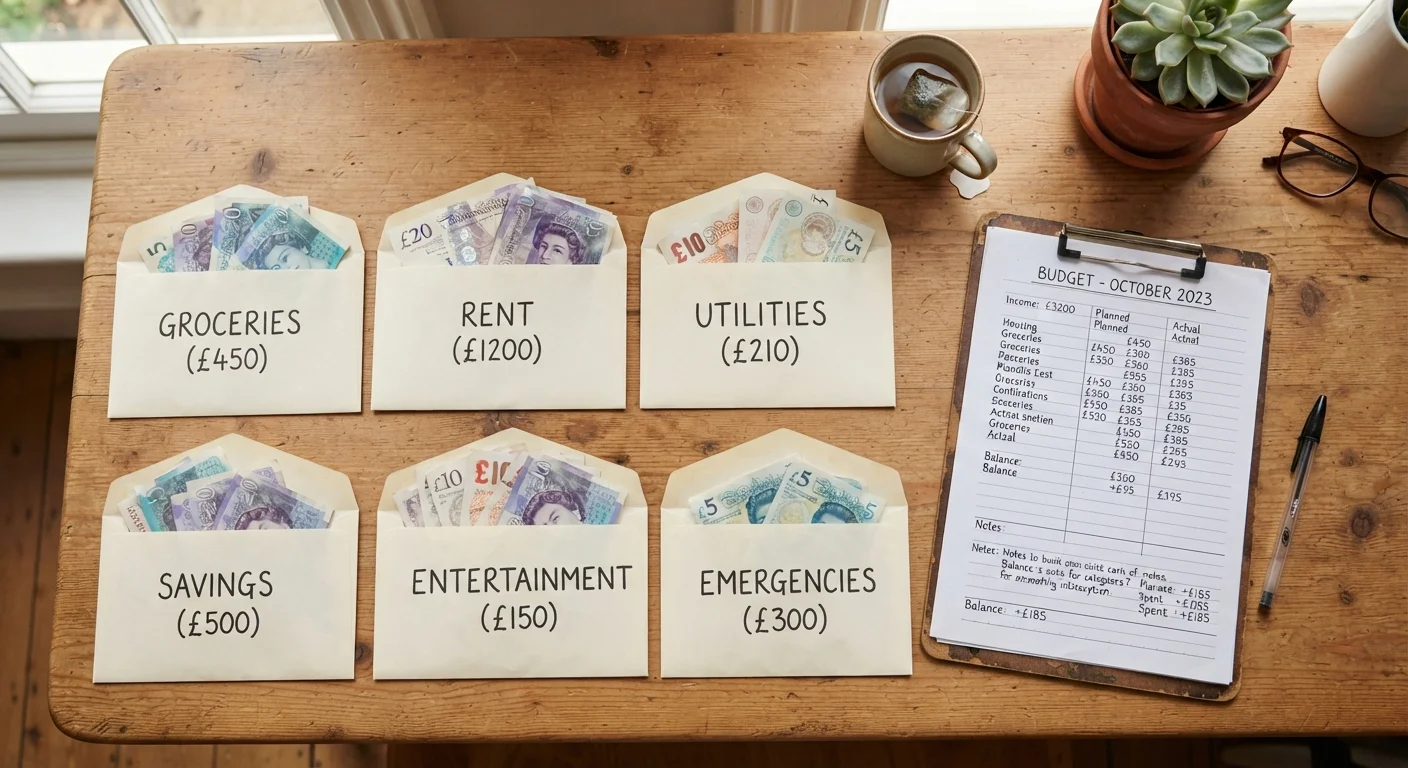
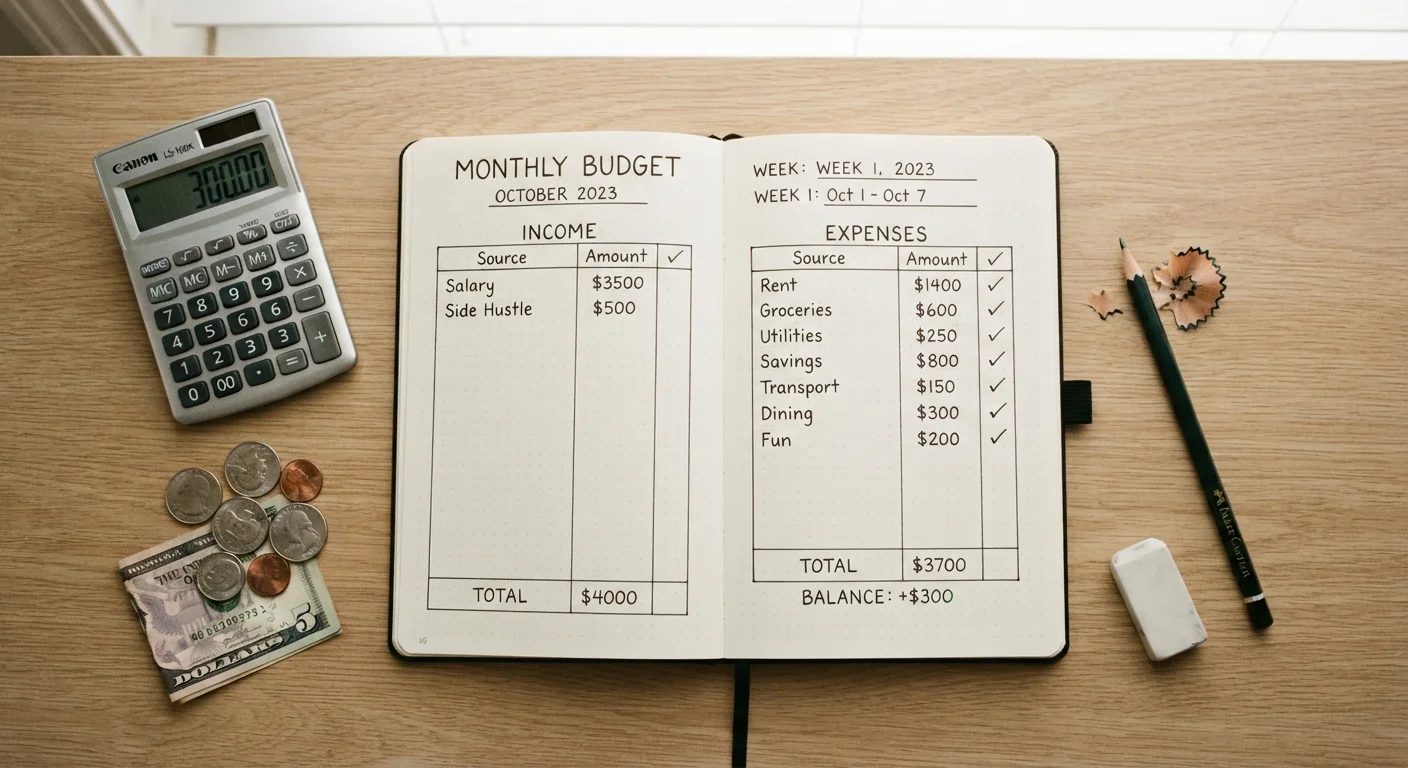
- Review spending by category, not just total. Total monthly spending can look stable while problem categories quietly grow. Breaking spending into fixed, variable, and discretionary buckets - and comparing month over month - surfaces trends that aggregates hide.
- Track balance payoff behavior, not just balances. Whether you're paying in full, paying more than the minimum, or paying only the minimum tells a more accurate story than your balance alone.
- Notice emotional spending signals. Everyday habits that reinforce financial stress - like avoiding your account balance or obsessively checking it - are behavioral signals worth noting alongside the spending data itself.
If you identify several of these patterns together, speaking with a nonprofit credit counselor or a licensed financial adviser is a reasonable next step. This article is not personalized financial advice.
Start With a Two-Month Spending Review
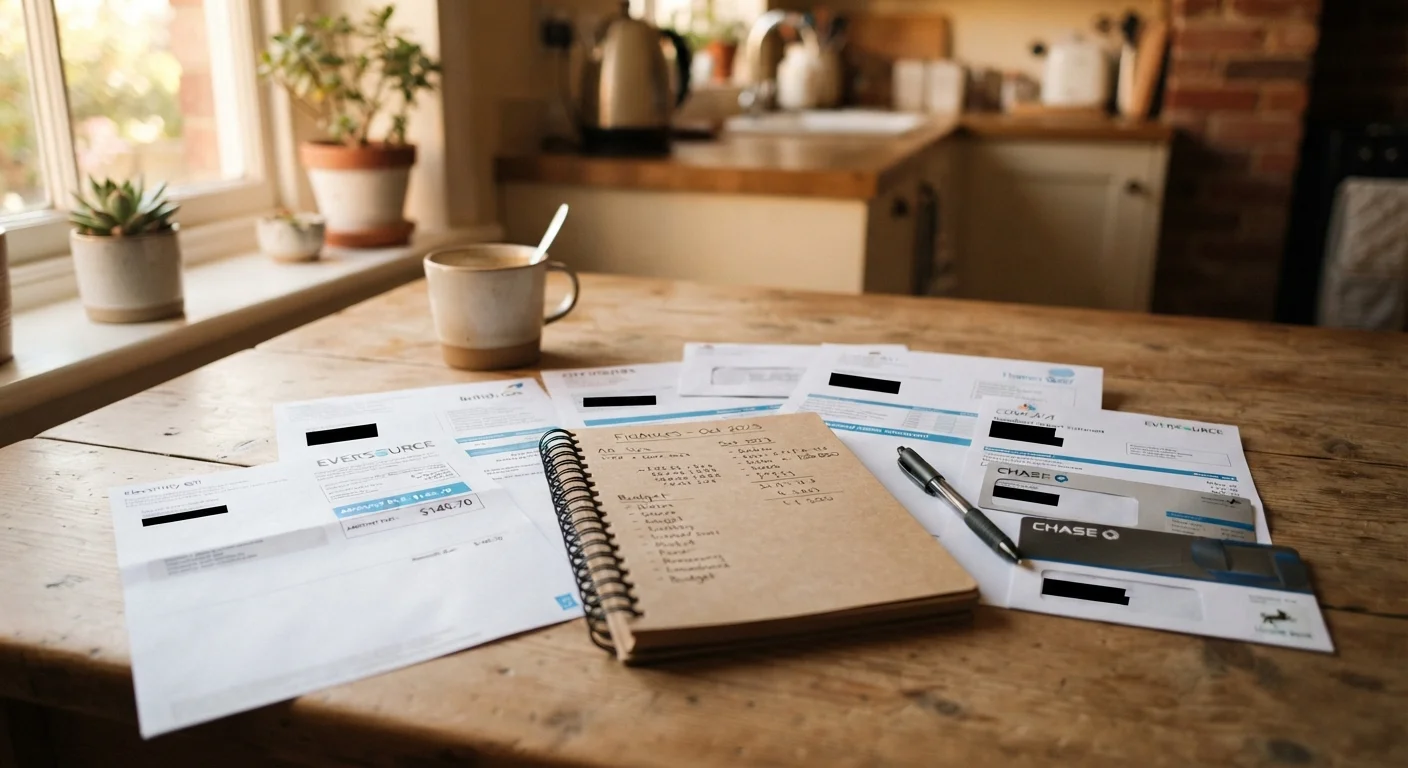
Pull your last two months of bank and credit card statements and sort every transaction into categories: housing, food, transportation, health, debt payments, and discretionary. Compare the totals month over month and against your net income. Patterns become visible quickly when spending is categorized rather than viewed as a single total.