How a Cruise Actually Works
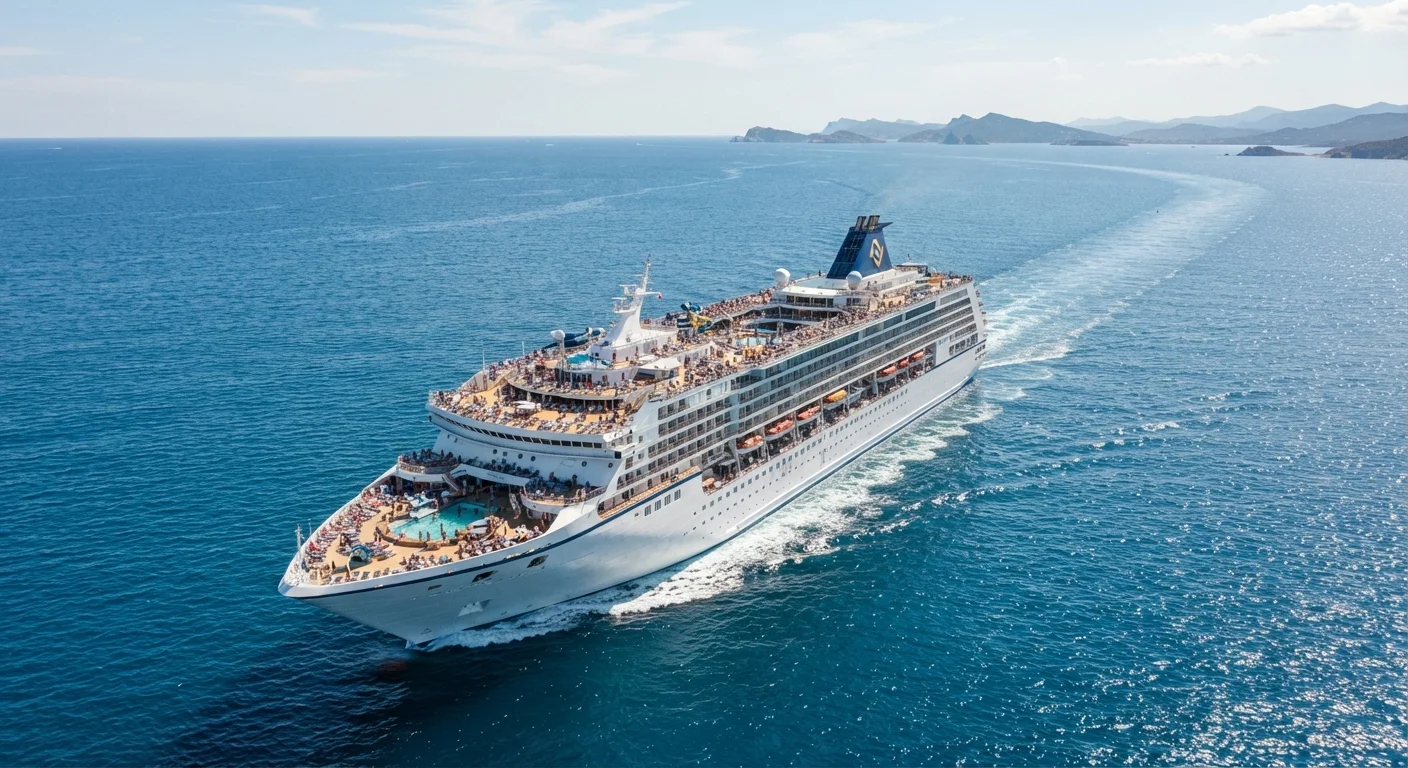
A cruise is essentially a floating hotel with a built-in itinerary. The ship departs from a home port, travels to one or more destinations, and returns - all on a fixed schedule. Unlike a road trip where you control the pace, a cruise operates on the ship's timetable. That shift in mindset is the first thing to internalize.
Before you dive into logistics, it helps to understand the broader planning foundation. The core phases of trip planning - research, booking, pre-departure prep - apply here just as they do to any multi-day journey.
Embarkation
The process of boarding the cruise ship at the home port on the first day of your voyage.
Port of Call
A destination city or island where the ship docks temporarily so passengers can go ashore before the ship moves on.
Closed-Loop Cruise
A cruise that departs and returns to the same U.S. port, which affects passport and documentation requirements.
Tender
A small boat used to ferry passengers between the ship and shore when the ship anchors offshore instead of docking at a pier.
Muster Drill
A mandatory onboard safety briefing that familiarizes all passengers with emergency procedures and their assigned assembly station.
Shipboard Account
A running tab tied to your cabin that tracks all onboard purchases, settled at the end of the voyage via a linked credit card or cash deposit.
Most cruises run between three and fourteen nights. Itineraries are categorized as closed-loop (departing and returning to the same U.S. port) or international routes that begin or end in a foreign port. The distinction matters for documentation requirements.
What to Bring (and What to Leave Home)
Packing for a cruise is different from packing for a hotel stay. Space in cruise cabins is genuinely tight - even in mid-tier staterooms. Prioritize versatile clothing over volume. Most ships have formal or semi-formal dinner nights, so check your line's dress code in advance.
- Documents: Passport (strongly recommended), booking confirmation, travel insurance policy, any required health forms
- Medications: Bring more than you need; pharmacies are not accessible at sea. Seasickness remedies are worth packing even if you're unsure - consult a healthcare provider before the trip
- Power: Many cabins have limited outlets. A power strip without a surge protector is typically allowed; surge-protected strips are often prohibited due to fire risk - verify with your cruise line
- Cash: Onboard purchases typically run through a linked shipboard account, but small local currency is useful in ports
Leave behind anything in aerosol cans beyond personal care products, irons (cabins have steamers available), and high-value jewelry you'd regret losing.
Use Your Carry-On Strategically on Day One
Your checked luggage may not reach your cabin until late afternoon on embarkation day. Pack a day bag with your travel documents, any medications, a change of clothes, and swimwear if you want pool access right away. This single habit eliminates the most common first-day frustration.
Embarkation Day: What Really Happens
Embarkation day - the day you board - is consistently the one that surprises first-timers most. It is not a smooth, cinematic walk-up-the-gangway experience. Expect:
- Luggage drop: Checked bags are handed to porters at the terminal and delivered to your cabin later - sometimes hours after you board. Pack a carry-on with essentials for the day.
- Security and check-in: Similar to airport security. Lines can be long depending on ship size and your arrival time.
- Muster drill: Federal law requires cruise ships to conduct a safety briefing (muster drill) before or shortly after departure. It is mandatory and cannot be skipped.
- Cabin access: Staterooms often aren't accessible until early-to-mid afternoon, even if you board in the morning.
If you're driving to the port, parking logistics add another layer. The pre-departure vehicle checklist is worth reviewing if you're doing a long drive to the embarkation port.
Muster Drill Requirements Have Evolved
Many cruise lines now offer e-muster or virtual muster options where passengers complete the safety briefing via the ship's app before physically checking in at their station. Requirements differ by line and itinerary. Regardless of format, completion is mandatory before or shortly after departure - non-compliance can result in being escorted to your muster station by crew.
Navigating Ports of Call
Each destination the ship visits is called a port of call. The ship docks (or anchors offshore, requiring a small boat called a tender to shuttle passengers ashore) for a set number of hours, then departs - with or without you.
You generally have three options at each port:
- Ship-organized shore excursions: Pre-booked activities arranged through the cruise line. More expensive, but if something goes wrong, the ship typically waits for its own excursion groups.
- Independent exploration: Arrange your own tours or simply walk around. Lower cost, more flexibility, but you are entirely responsible for getting back on time.
- Stay aboard: Valid choice, especially at ports you've visited before or on rest days. Crowds thin significantly when most passengers go ashore.
Research each port's layout before departure. Some are walkable from the pier; others require taxis or local transport to reach anything worth seeing. For thorough pre-trip preparation, the pre-trip planning checklist covers documents, reservations, and port-day logistics worth confirming in advance.
Money, Gratuities, and Hidden Costs
The sticker price of a cruise fare typically covers your cabin, most main dining, and onboard entertainment. What it usually does not cover:
| Cost Category | Typical Structure |
|---|---|
| Gratuities | Auto-charged daily per person; varies by line and cabin tier |
| Specialty dining | Per-reservation or per-person surcharge |
| Alcoholic beverages | À la carte or via a pre-purchased drink package |
| Wi-Fi | Sold by the day or voyage; speeds vary significantly at sea |
| Shore excursions | Priced per person; range from modest to several hundred dollars |
| Spa, casino, photos | All additional |
Set a realistic total budget before you book - not just the cabin fare. First-time cruisers frequently underestimate total trip cost by 30-50% when they don't account for these add-ons. If you've never planned a multi-day trip before, the ground-up trip planning walkthrough can help you build a complete budget framework from scratch.
This article provides general travel information for educational purposes. Entry requirements, health regulations, and cruise line policies change - always verify current details with your cruise line and official government sources before departure.