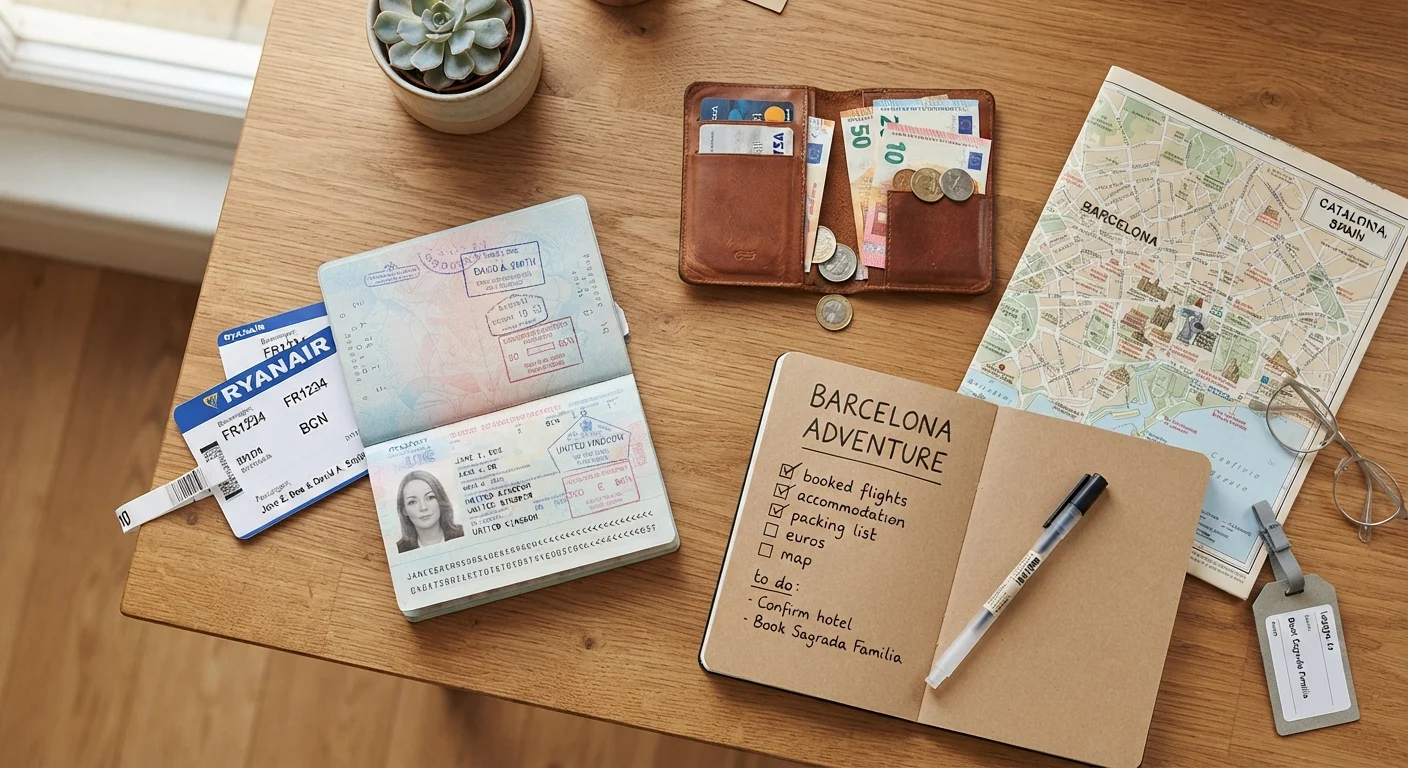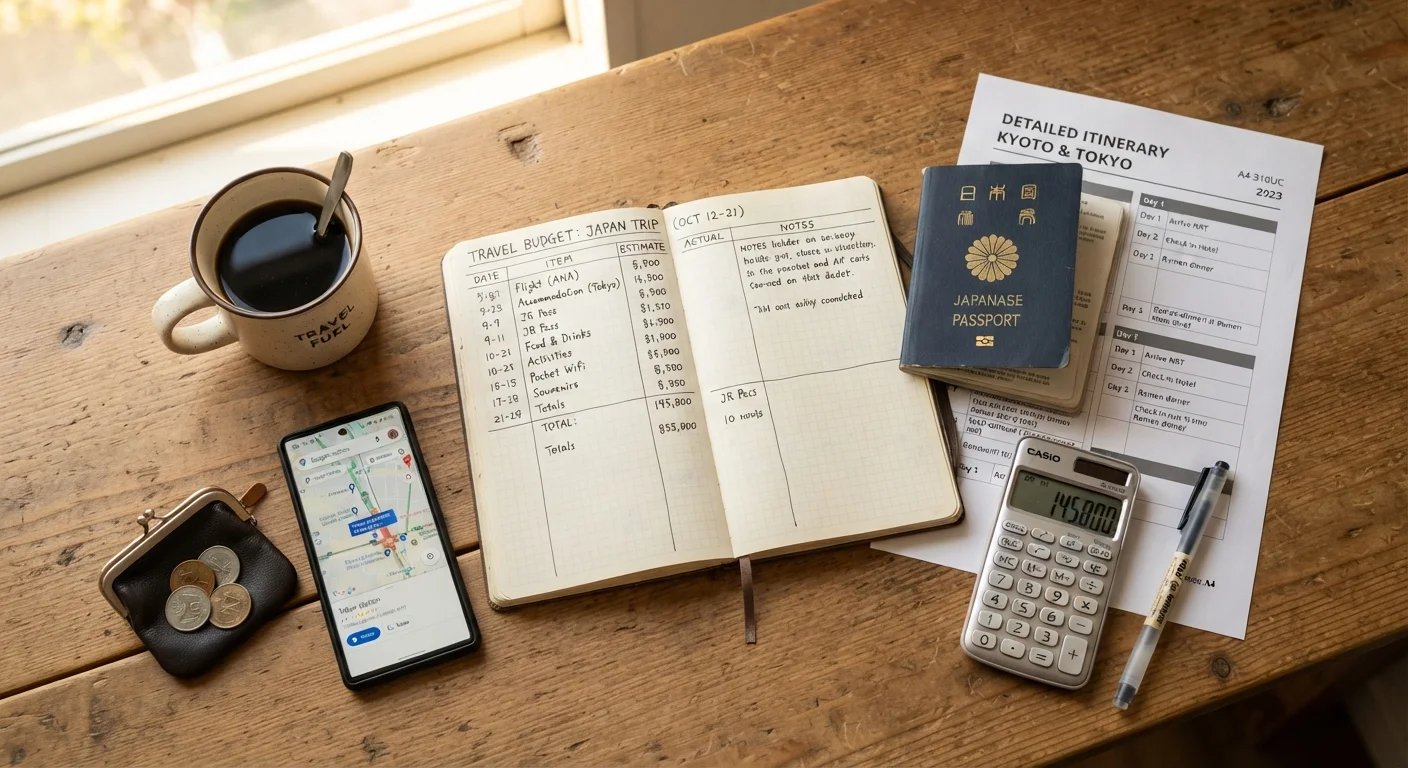
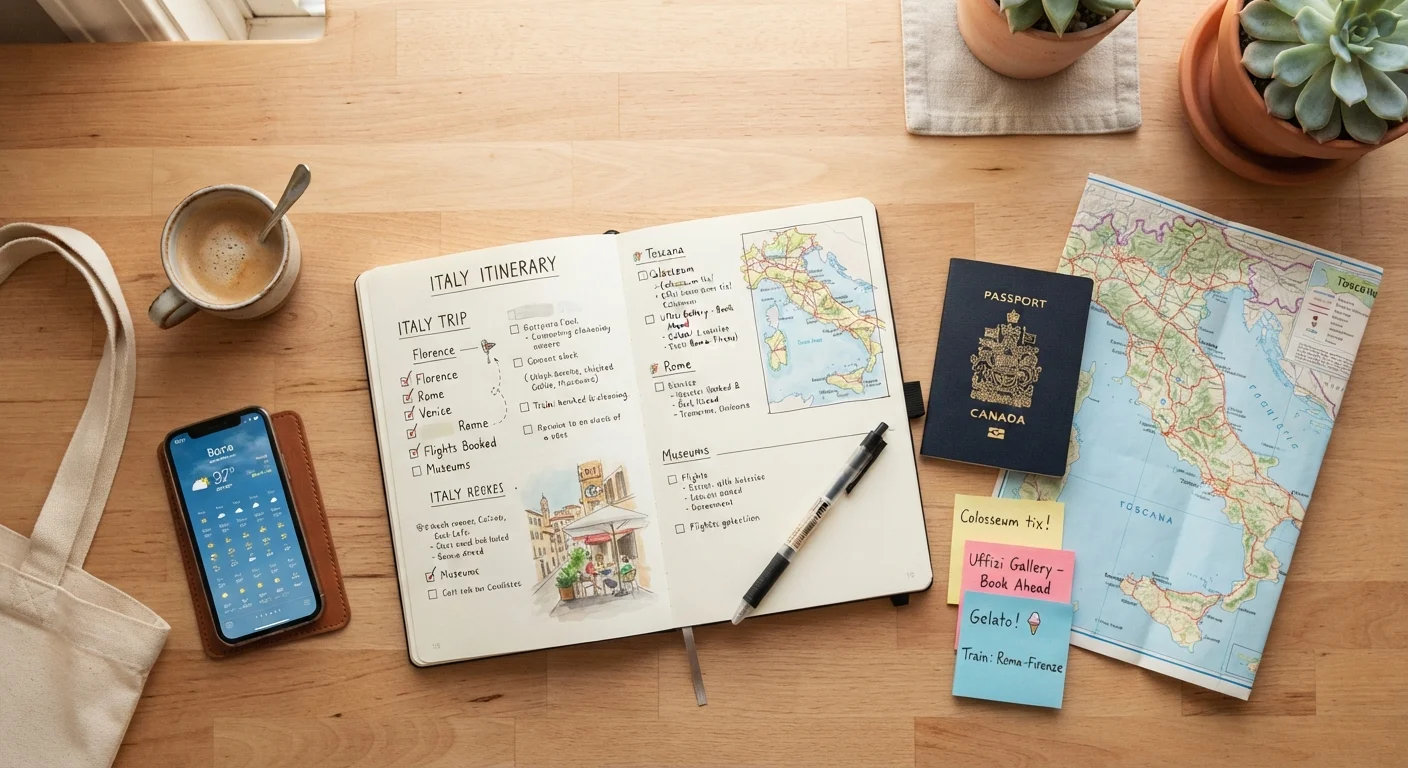
Pick a Destination You Can Actually Pull Off
The single most useful thing a first-time planner can do is match their destination to their current experience level - not where they wish they were. A two-week solo trip to a country where you don't speak the language and need a visa is a very different undertaking than a long weekend in a neighboring state or a week in a city with a direct flight.
Start with three honest questions: How much time do you actually have? What's your realistic budget? And how comfortable are you navigating unfamiliar places on your own?
Once you have those anchors, let them narrow your options rather than fighting them. Plenty of remarkable trips are domestic. If you do want to go international, cities with direct U.S. flight connections, English-friendly infrastructure, and straightforward entry requirements tend to be more forgiving for first-timers. See our destination know-how hub for practical, honest breakdowns of popular destinations.
Itinerary
A day-by-day plan of where you'll go and what you'll do on your trip. It's a guide, not a contract - build in flexibility.
Travel buffer
Extra money set aside beyond your estimated trip costs to cover unexpected expenses. Typically 15-20% of your total budget.
Entry requirements
The rules a country sets for who can enter and under what conditions - including passports, visas, proof of vaccination, or onward travel documents.
Carry-on
A bag small enough to bring onto a plane and store in the overhead bin or under the seat, keeping it with you rather than checked into cargo.
Travel advisory
An official government notice informing travelers about safety conditions, health risks, or entry restrictions at a specific destination.
Set a Realistic Budget Before You Book Anything
A budget isn't a constraint - it's the document that makes every other decision easier. Before you open a single booking tab, write down the five core cost categories for any trip: transportation (flights, trains, car rental, or fuel), accommodation, meals, activities and entrance fees, and an emergency buffer.
Research realistic price ranges for each, not best-case scenarios. Flights and lodging are usually the two largest line items, but food and activity costs add up faster than most people expect, especially in major cities.
Once you have a working total, add 15-20% as a buffer. Travel rarely costs exactly what you planned. If the total doesn't work with your current savings, either adjust the scope of the trip or give yourself more time to save - neither is a failure. For a structured approach to managing your finances before you travel, see our beginner's budgeting guide.
Track every cost category separately
Using a simple spreadsheet or even a notes app to log estimated vs. actual costs for each category - transport, lodging, food, activities - helps you spot where you're over budget early. It also makes planning your second trip significantly easier, since you'll have real numbers to work from.
Work Out the Core Logistics
Logistics are where the trip becomes concrete. This phase covers four things: how you're getting there, where you're staying, how you're moving around once there, and how long you'll be gone.
For transportation, weigh your options against your budget and trip length. Driving makes sense for regional trips and gives you flexibility - but if you're road-tripping, make sure your vehicle is up to it. Our pre-drive vehicle checklist is worth running through before any extended highway trip.
For accommodation, weigh location against cost. Staying closer to the places you want to see usually saves time and money even if the nightly rate is higher. For most first-timers, the security of a confirmed booking beats the savings of flexible options.
If you're traveling with others, this is also the phase where group dynamics start to matter. Solo trips and group trips require very different coordination. Planning solo vs. planning as a group covers the key differences clearly.
Booking flexibility vs. certainty
Some booking options offer free cancellation windows, which can be worth paying a small premium for when your plans are still taking shape. Once your dates and destination are locked in, confirmed reservations generally provide more peace of mind than open-ended options - particularly for accommodation in popular destinations during busy seasons.
Build an Itinerary That Won't Collapse
Most first-trip itineraries fall apart for the same reason: too many activities, not enough time between them. Transit time between sites, wait times, slow mornings, and unexpected closures all eat into a perfectly planned schedule. Build your itinerary around what you genuinely don't want to miss, then add a small number of secondary options - things you'll do if time allows, not things you're committed to.
A practical structure: anchor each day to one or two main activities, group nearby things together to reduce unnecessary movement, and leave at least one half-day per three or four days genuinely unscheduled. That unscheduled time is where most people find their favorite memories. For a deeper look at why itineraries fail and how to fix them, see why your itinerary falls apart.
Handle Documents, Health, and Pre-Departure Prep
This phase gets skipped or rushed more than any other - and it's the one most likely to cause real problems. Start with your passport: check the expiration date now. Many countries require at least six months of validity beyond your return date. If you're traveling internationally, check entry requirements (visas, vaccinations, travel advisories) through official sources like the U.S. Department of State at travel.state.gov and the CDC. Requirements vary by destination and can change, so verify close to your departure date as well.
Health prep for international travel may include vaccinations or medications - consult a healthcare provider or travel medicine clinic well ahead of your trip, not the week before. This is especially important for destinations with specific health risks. This content is general travel information and is not a substitute for professional medical advice. Always consult a qualified healthcare provider for guidance specific to your health situation and destination.
Use a structured pre-departure checklist to confirm you've covered all bases. Our pre-trip planning checklist walks through passports, reservations, documents, and emergency contacts systematically.
Don't leave documents to the last minute
Passport renewals through the U.S. State Department can take several weeks under standard processing, and even longer during peak periods. If your passport is expired or expiring within six months, start the renewal process as early as possible. Visa applications for certain countries also require lead time, supporting documents, and sometimes in-person appointments.
Pack Smart, Not Heavy
Packing is the last planning step, but the decisions you make here affect the entire trip. The core principle: bring what you know you'll use, not what you might possibly need. First-time travelers consistently overpack, then spend the trip managing heavy bags.
Work backward from your itinerary. What's the weather range? Will you be walking a lot, or spending time in formal settings? Is laundry accessible? Answering these questions makes the packing list almost write itself.
Keep essentials - documents, medications, a change of clothes - in your carry-on regardless of how you're traveling. If checked luggage goes missing, you want to be able to function for at least 24-48 hours without it.
When you're ready to go deeper on the full planning picture, The Anatomy of a Well-Planned Trip is a solid next read - it maps out each phase of planning and why the sequence matters. And for a comprehensive end-to-end resource, Everything You Need to Plan a Trip, In One Place covers the full scope from research to departure.