The Gap Between a Plan and Reality
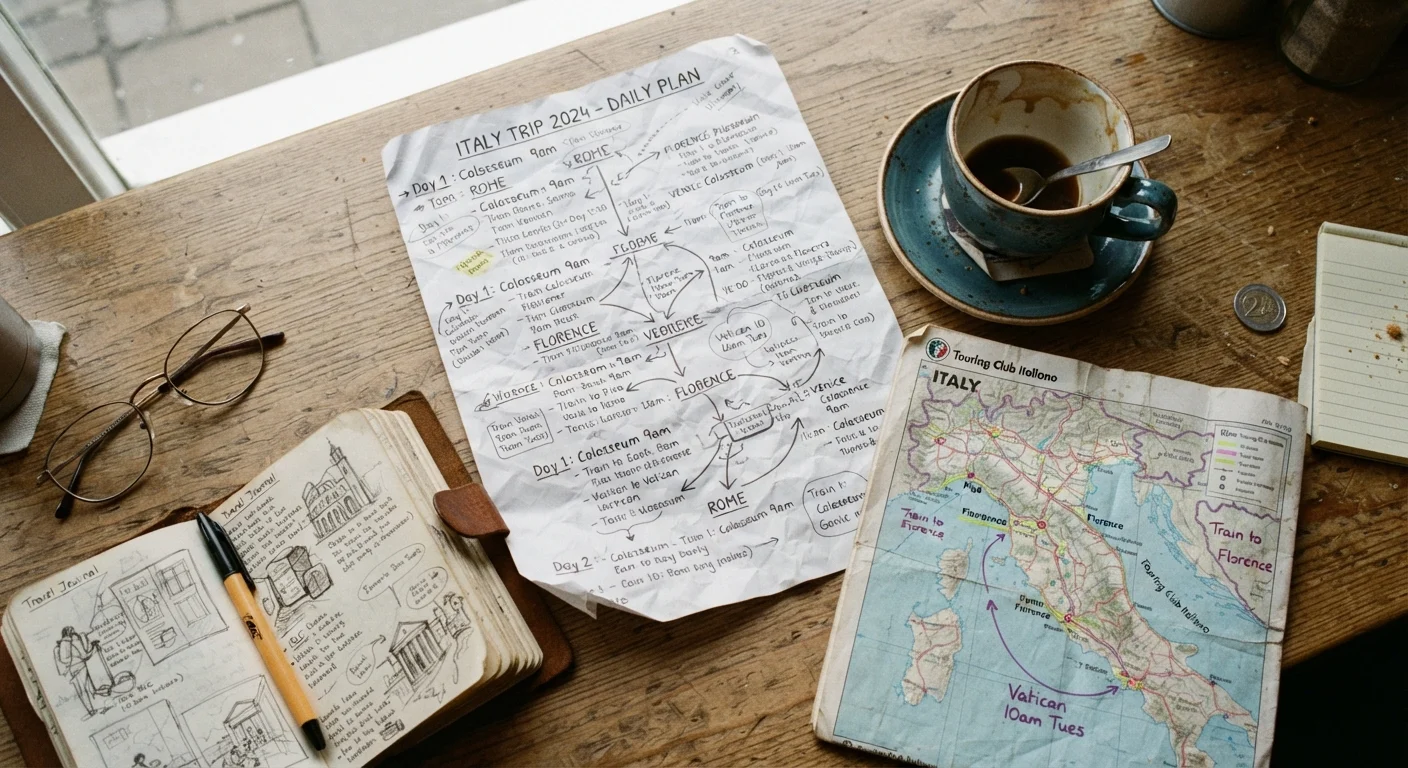
Most itineraries look airtight on paper. Museums, restaurants, landmarks, and day trips fill each slot neatly, the schedule reads like a highlight reel, and departure day arrives with a sense of confidence. Then the first delayed train or longer-than-expected security line cascades through the entire plan like toppling dominoes.
The problem rarely comes down to bad intentions - it comes down to planning for an idealized version of travel rather than the actual, messier experience. Understanding the core phases of trip planning helps, but even experienced travelers misjudge how time, energy, and logistics interact once they're moving. The mistakes below are the most consistent culprits.
Scheduling activities back-to-back without accounting for transit time.
Why it happens: Online planning tools show travel times under ideal conditions, and itineraries are usually drafted at a desk, not in motion. It's easy to underestimate how long it takes to get from place to place when you factor in navigation, crowds, and inevitable small delays.
Treating each day as having eight or more usable hours of sightseeing time.
Why it happens: Days look long on a calendar. Planners forget that check-out procedures, airport or station transfers, meal times, and basic rest all consume significant chunks - especially on travel days.
Failing to verify opening hours, seasonal closures, or reservation requirements before arrival.
Why it happens: Information found during the research phase often isn't rechecked closer to the trip. Hours change seasonally, popular sites require advance booking months out, and some attractions close on days that aren't obvious from a quick search.
Over-concentrating activities in a single neighborhood or area while ignoring geography.
Why it happens: When researching a destination, it's easy to compile a list of attractions without mapping how far apart they actually are. A list of ten great spots in a city might span three different neighborhoods that are 40 minutes apart by transit.
Building the itinerary entirely around attractions and leaving meals as an afterthought.
Why it happens: Food logistics feel less urgent during planning than ticketed experiences. But in practice, finding a restaurant that accommodates dietary needs, fits the time available, and doesn't require a 45-minute wait can derail an afternoon.
Ignoring the physical and cognitive demands of a heavily packed schedule.
Why it happens: Excitement during the planning phase makes everything feel manageable. The reality of being on your feet in unfamiliar surroundings, often after jet lag or a long travel day, is harder to anticipate from home.
What a Resilient Itinerary Actually Looks Like
A functional itinerary isn't a minute-by-minute schedule - it's a framework with room to breathe. That typically means anchoring each day around one or two firm commitments (a reserved tour, a timed-entry museum, a dinner booking) and leaving the surrounding hours genuinely open. Spontaneity isn't the enemy of planning; over-scheduling is.
~30%
Extra time consumed by real-world transit vs. estimates
Travel researchers and logistics planners broadly note that real-world urban transit times tend to run 25-35% longer than optimistic point-to-point estimates, once wayfinding, crowds, and delays are included.
2-3 hrs
Time lost per day to unplanned logistics on average trips
Traveler experience surveys consistently find that meals, transit gaps, and unplanned waits consume two to three hours of each travel day that most itineraries don't account for.
Building in transition time is non-negotiable. Moving between neighborhoods in an unfamiliar city, finding parking, waiting for a table, or simply walking from one end of a large site to another takes longer than any map app predicts. A realistic rule of thumb: if Google Maps says 20 minutes, plan for 35.
Energy is also a resource that most itineraries ignore entirely. Travelers who schedule eight hours of active sightseeing on day one of a long-haul trip often hit a wall by day two. Front-loading lighter activities on arrival days and building in at least one low-key afternoon per three-day stretch tends to produce a much more sustainable pace - and a better overall experience.
For destination-specific planning pitfalls, first-time Paris visitors get caught by a predictable set of errors that apply broadly to many major cities. And if you're building your very first multi-day plan from scratch, a ground-up planning walkthrough can help you sequence each decision correctly before committing to anything.
Don't Assume Advance Bookings Are Optional
For high-demand sites - major museums, popular national parks, timed-entry landmarks - walk-up access is often unavailable or extremely limited, especially during peak travel periods. If a venue is central to your trip, verify whether advance tickets are required and how far out they sell out. Missing a key attraction because you assumed you could buy a ticket at the door is one of the most preventable itinerary failures.
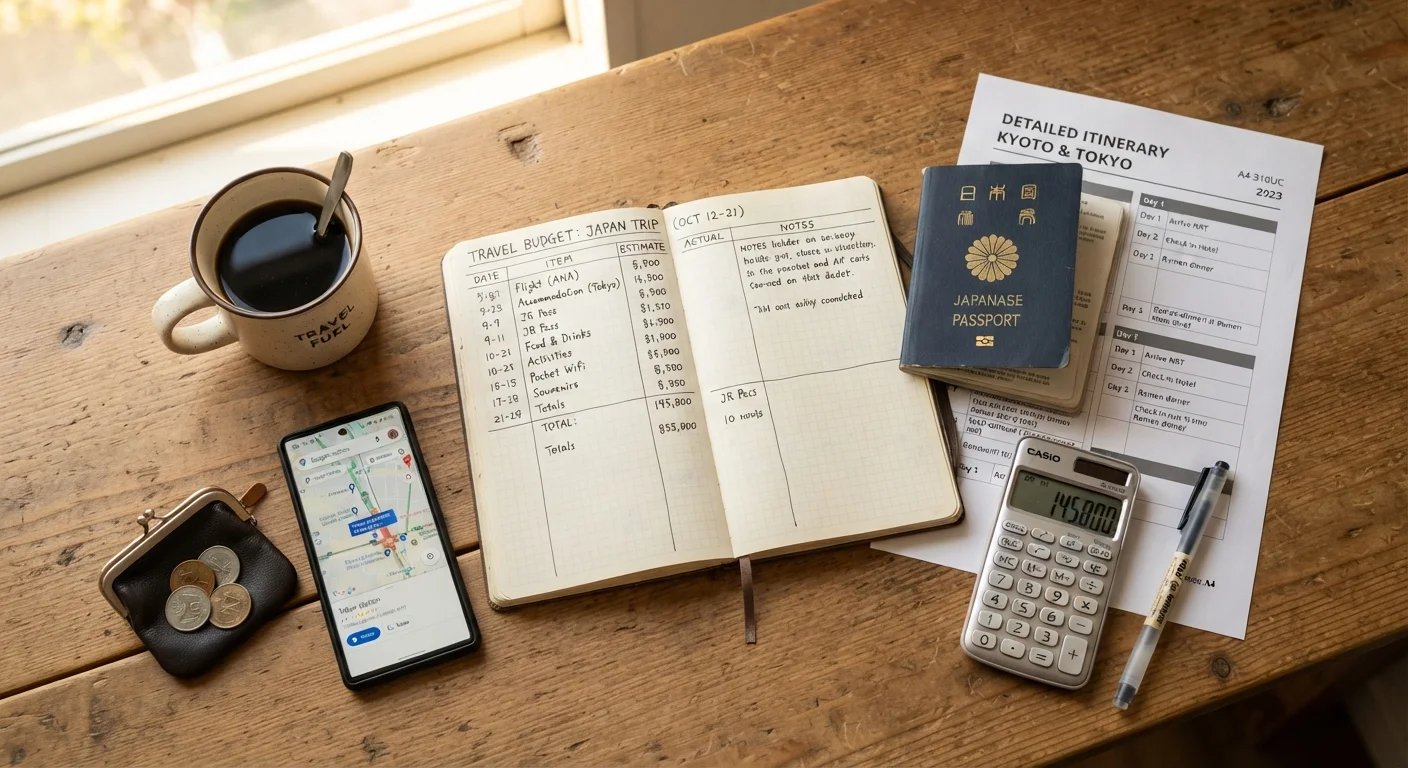
Finally, budget and itinerary are more connected than they appear. An overstuffed schedule often signals an overstuffed budget - too many paid activities, not enough recovery time. Building a trip budget that reflects reality is worth doing in parallel with your day-by-day schedule, not as a separate exercise.