Start with Destination Research
Effective trip planning begins well before you open a booking site. The first job is understanding whether a destination fits your timeline, budget, and priorities - not just whether it looks good in photos.
Start with three practical questions: What time of year will you travel, and how does that affect weather and crowds? What are the entry requirements - visa, passport validity, vaccinations? What's the realistic daily cost range for accommodation, food, and transportation?
For international destinations, always verify entry requirements through official government sources such as the U.S. Department of State (travel.state.gov) or the destination country's embassy website. Requirements change, and third-party summaries may be outdated.
Seasonality matters more than most travelers account for. High season typically means higher prices and more crowds; shoulder seasons often offer a better balance of favorable conditions and lower costs. For destination-specific context, see our Destination Know-How hub for practical insider knowledge on popular U.S. and international locations.
Entry Requirements Can Change Quickly
Visa policies, vaccination requirements, and border rules can shift with little notice. The U.S. Department of State's country information pages and the destination country's official embassy website are the most reliable sources. Third-party travel blogs may reflect outdated requirements.
Build a Realistic Travel Budget
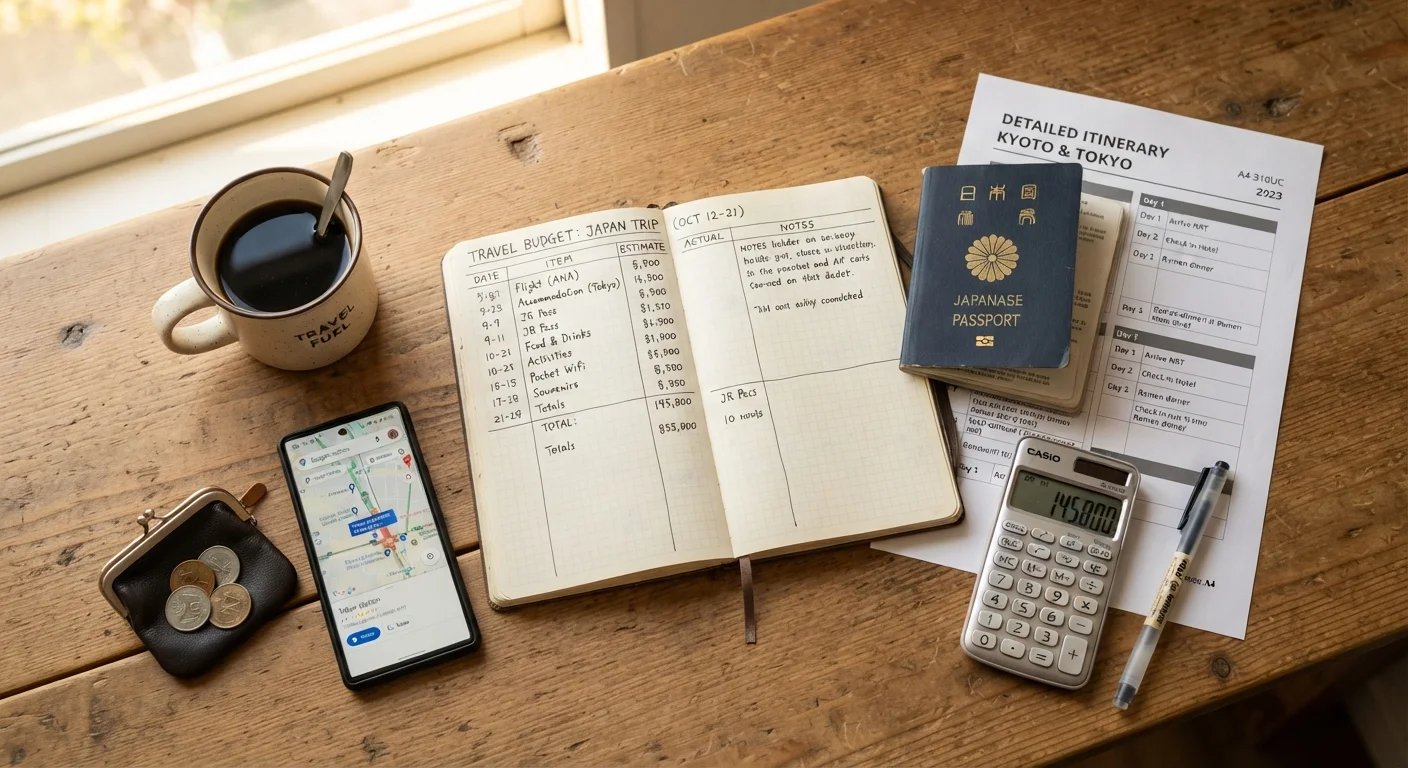
A budget built before booking is one of the most effective trip-planning tools available. It lets you make trade-offs deliberately - spending more on accommodation, for example, and less on guided tours - rather than discovering costs have added up after the fact.
Structure your budget across five categories: transportation (flights, trains, rental cars), accommodation, food and drink, activities and entrance fees, and a contingency buffer of roughly 10-15% for unexpected costs. Many travelers underestimate the last two.
42%
Travelers who exceed their trip budget
According to a survey by the American Express Spending & Saving Tracker, a significant share of leisure travelers report spending more than they planned.
10-15%
Recommended contingency buffer
Travel financial planners generally recommend reserving 10-15% of a total trip budget for unexpected expenses, including delays, medical needs, or spontaneous costs.
Research average daily costs using travel forums, government tourism boards, and currency converter tools. For domestic U.S. trips, factor in gas or airfare, parking, and state/local taxes on hotels, which vary significantly by market.
For strategies to reduce costs without compromising the trip, the Travel Savings hub covers proven approaches across flights, hotels, and more.
Build your budget in the destination's local currency, then convert - it keeps the math honest and avoids underestimating costs when exchange rates shift.
Mental accounting in U.S. dollars can obscure what things actually cost on the ground, especially in countries with strong or weak currencies relative to the dollar.
Set a firm 'booking deadline' for your flights - usually 6-8 weeks out for domestic, 3-5 months for international - and stop monitoring prices after you book.
Obsessive price-checking after booking is a documented source of travel anxiety and rarely results in actionable savings once you've committed.
Navigate Booking Logistics
Booking order matters. As a general rule: lock in flights first (they're most price-volatile), then accommodation, then ground transportation or tours that require advance reservations.
When comparing flight options, factor in total travel time and layovers alongside price. A cheaper fare with a 10-hour layover may cost more in airport meals and fatigue than it saves. Similarly, accommodation location affects your daily transportation costs - a cheaper hotel far from your main destinations may not be cheaper in practice.
For multi-destination trips, check whether a rail pass, regional airline, or rental car makes more sense than booking individual segments. The answer depends heavily on the destination, distances involved, and your travel pace.
Non-Refundable Bookings Carry Real Risk
Non-refundable rates are typically cheaper upfront but offer no protection if plans change. Before booking non-refundable accommodations or tours, assess honestly how certain your dates are - and factor travel insurance into your decision rather than skipping it to save money.
Travel insurance deserves a dedicated decision - not an afterthought at checkout. Consider what you're protecting: non-refundable costs, medical coverage abroad, trip interruption. Policies vary widely; read the terms carefully before purchasing.
Build Your Itinerary
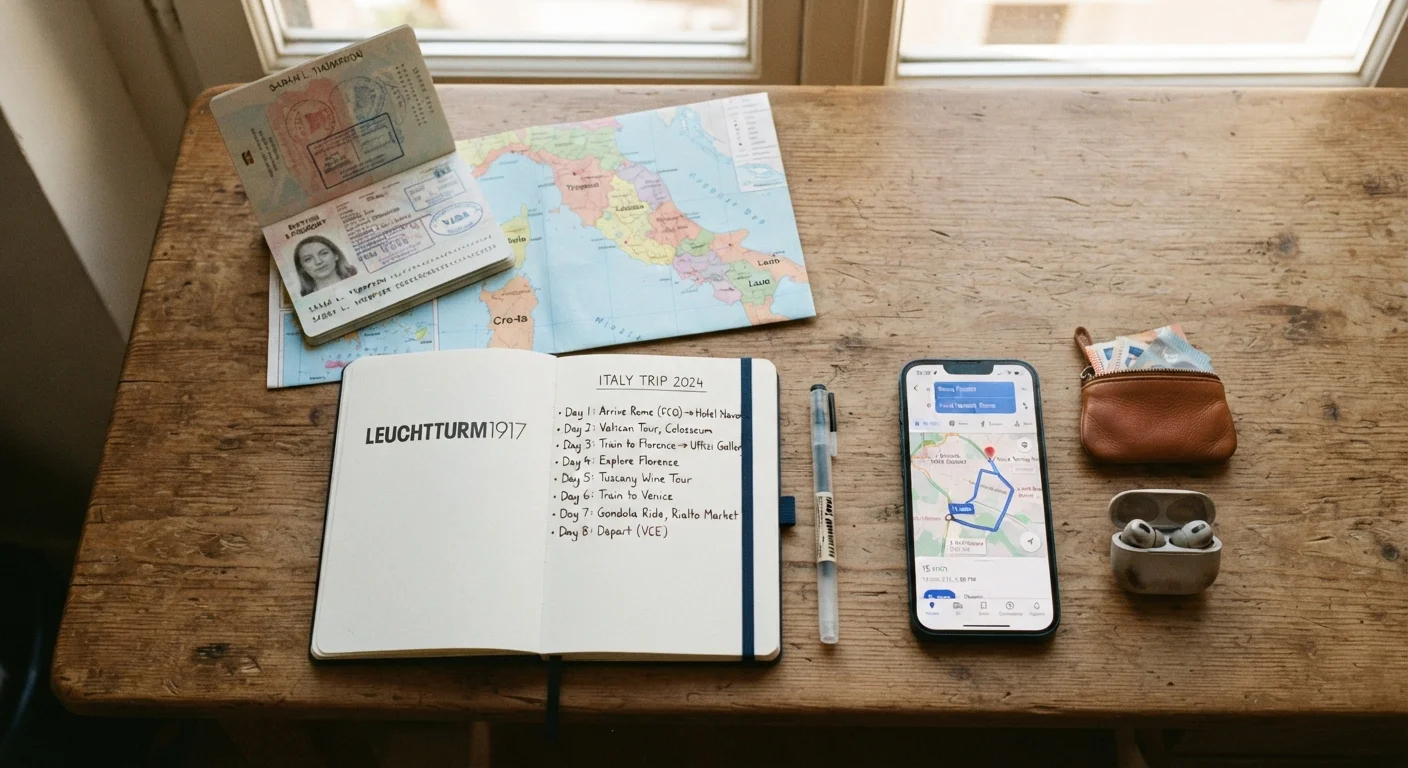
An itinerary's job is to give your trip structure without removing flexibility. The most common mistake is fitting too much in - a packed schedule with no buffer creates a race rather than a trip.
A practical approach: identify your two or three non-negotiables for each destination, then fill remaining time loosely. If something gets rained out or takes longer than expected, you have room to adapt without losing the things that matter most.
Group activities by geography to minimize unnecessary backtracking. For city trips, this often means organizing days by neighborhood. For road trips, map a logical route rather than bouncing between far-flung stops.
For a deeper look at how the planning phases connect, see The Anatomy of a Well-Planned Trip. If this is your first time planning a multi-day trip from scratch, Your First Big Trip: A Ground-Up Planning Walkthrough covers every stage in plain terms.
Pre-Departure Essentials
The week before departure is where well-planned trips either stay smooth or unravel. Most last-minute scrambles trace back to skipped pre-departure steps.
Core checklist items: confirm passport validity (many countries require six months beyond your return date), print or download all booking confirmations, notify your bank of travel dates, check travel advisories one final time, and ensure any required vaccinations or medications are in order. For health-related travel requirements, consult your healthcare provider and verify requirements through official sources - your doctor or a travel medicine clinic is the right resource here.
For a structured, printable version of this prep, Before You Book: A Pre-Trip Planning Checklist walks through every category before you leave home. And if you want to carry these habits into future trips, Trip Planning Habits That Consistently Lead to Better Travel outlines what experienced travelers do differently.
Store Everything in One Place Before You Go
Save all confirmations, travel documents, and emergency contacts to a single cloud folder you can access offline. This takes about 20 minutes before departure and eliminates the frantic email-search that happens when you need your hotel address at an unfamiliar airport.
This article provides general travel planning information. Entry requirements, health advisories, and travel conditions change - always verify current information through official government and provider sources before traveling.