
Why Habits Matter More Than Checklists
Travel planning advice often arrives as a checklist: book early, pack light, get travel insurance. These aren't wrong, but checklists don't capture how experienced travelers actually think. The difference between a stressful trip and a smooth one usually comes down to consistent habits applied across the whole planning process - not a single step done right.
What follows are the practices that hold up across different destinations, budgets, and travel styles. They're not rules; they're patterns worth adopting. For a broader look at how the full planning process fits together, The Anatomy of a Well-Planned Trip walks through each phase from research to departure.
Start With Purpose, Not Price
It's tempting to open a flight search tool first and let low prices drive your destination choice. But travelers who start with a clear sense of what they want from a trip - rest, exploration, connection, adventure - tend to make more consistent decisions and report higher satisfaction. Let your intent guide logistics, not the other way around.
The Core Practices
These habits address the planning decisions that have the most downstream impact - the ones that, when done well, make everything else easier.
Define your trip's purpose before researching destinations or prices.
Travelers who start with a clear intention - relaxation, cultural exploration, adventure, family bonding - make more consistent decisions throughout planning. Without that anchor, it's easy to book something that looks appealing online but doesn't actually fit what you need from the trip.
Research seasonal timing before committing to dates.
Weather, crowd levels, local holidays, and event schedules all vary significantly by season and can make or break the experience at a given destination. Booking first and researching conditions second often leads to avoidable frustration.
Verify entry requirements and travel advisories from official government sources.
Visa rules, vaccination requirements, and border conditions change - sometimes with little notice. Relying on third-party travel blogs or forum posts for this information creates real risk. Official government sources provide the most current and authoritative guidance.
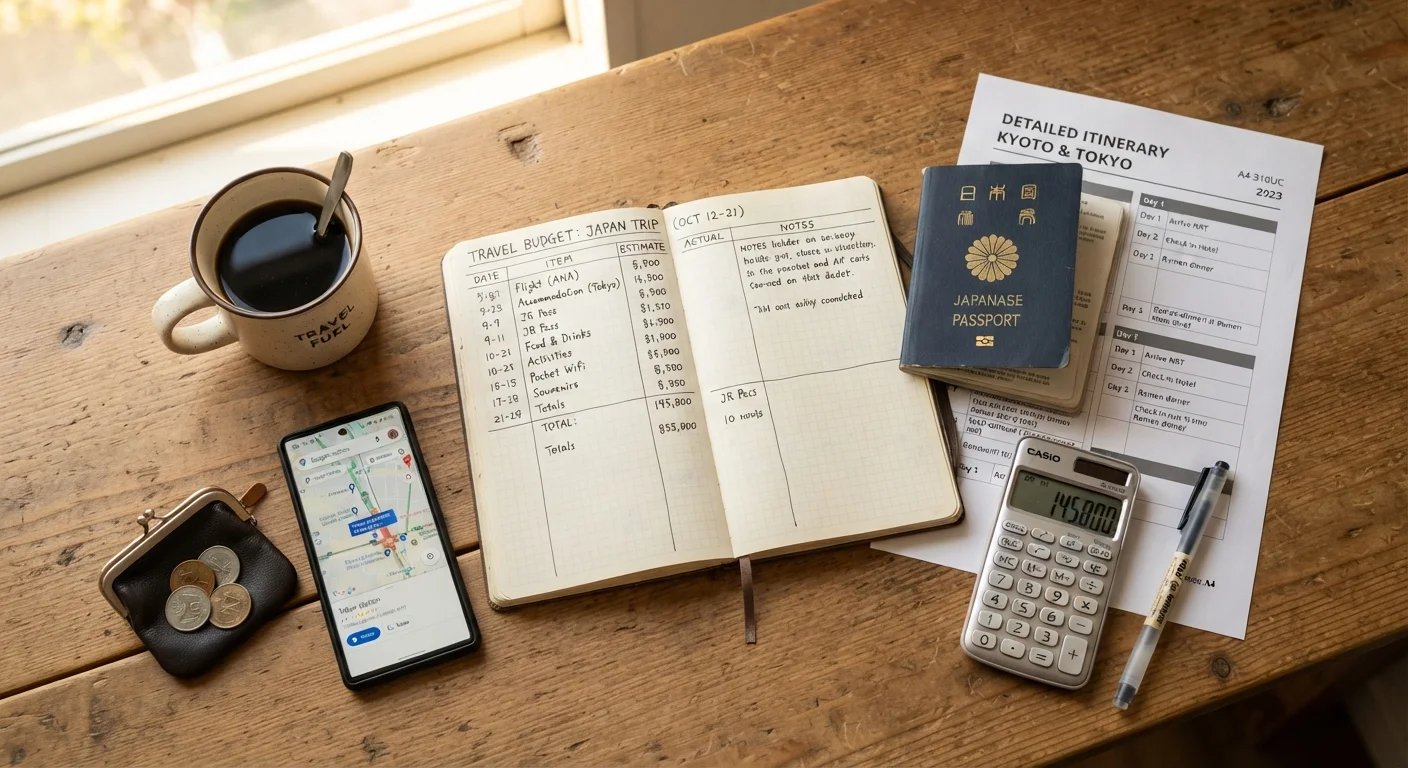
Build a realistic daily budget before departure - not after.
Travelers who estimate costs in advance - accommodation, transport, food, activities, and a contingency buffer - arrive with a clear financial picture and fewer unpleasant surprises. On-the-ground improvisation tends to skew toward overspending.
Leave intentional buffer time between activities and travel segments.
Overpacked schedules are the most common reason trips go wrong. Transit delays, slower-than-expected check-ins, and the simple need to rest all erode tight itineraries fast. Buffer time isn't wasted - it's what keeps the rest of your plan intact.
Research local logistics - neighborhoods, transit, and operating hours - in advance.
Many on-the-ground frustrations stem from assumptions: that attractions are open, that transit is straightforward, or that accommodation is conveniently located. A small amount of upfront research prevents most of these issues.
What Gets Skipped - and Why It Matters
Most planning failures aren't random. They follow predictable patterns: too many activities crammed into too few days, entry requirements assumed rather than verified, budgets built around optimistic estimates. Why itineraries fall apart covers the root causes in detail, but the fix usually starts with the habits above.
Entry Requirements Change Frequently
Visa policies, vaccination requirements, and entry conditions can shift with little notice - especially for international destinations. Always verify requirements directly with official government sources (your country's foreign affairs department and the destination country's immigration authority) close to your departure date. Third-party travel sites may carry outdated information.
If you're planning your first major trip and want a step-by-step framework, Your First Big Trip walks through every stage from destination selection to packing. For those focused on keeping costs manageable, the Travel Savings hub covers flights, accommodation, and daily expenses.
“Most travel frustration is preventable. It tends to come not from bad luck, but from decisions made without enough information - or too many decisions made at once without a clear priority.”
— Travel Editorial Team, Editorial collective covering trip planning for everyday American travelers
Start Applying These Now
You don't need to plan a full trip to put these habits to work. Even small actions taken today - clarifying your trip's purpose, checking an advisory, building a rough daily budget - sharpen the decisions that follow.
Planning solo or with others also changes how these habits apply. Planning solo vs. planning as a group breaks down where the logistics and decision-making diverge.