
Why a Pre-Departure Checklist Actually Matters
Most roadside breakdowns aren't random. A flat tire with degraded tread, a dead battery, or an overheating engine from low coolant - these are predictable outcomes of skipped maintenance, and they're far more likely to surface at highway speeds than in your driveway. A structured pre-departure check moves the odds in your favor.
This checklist is organized into four areas: mechanical vehicle checks, safety supplies, navigation and documents, and driver readiness. Working through it thoroughly takes 30 to 60 minutes - a worthwhile investment compared to the cost and delay of a breakdown. For a broader look at how this fits into your overall trip preparation, see the core phases of trip planning.
Tire Pressure Gauge
Accurately measures PSI in each tire so you can inflate to the correct specification before departure.
Portable Jump Starter
Provides a self-contained power source to restart a dead battery without needing another vehicle.
Offline-Capable Navigation App
Allows turn-by-turn guidance even in areas with no cell signal when maps are pre-downloaded.
First Aid Kit
Covers minor injuries and medical needs that may arise during a long drive or roadside stop.
Reflective Warning Triangles or LED Flares
Alerts other drivers to a stopped vehicle, reducing collision risk during a roadside breakdown.
Power Bank / Car Charger
Keeps smartphones and navigation devices charged throughout the trip.
Vehicle Checks: What to Inspect and Why
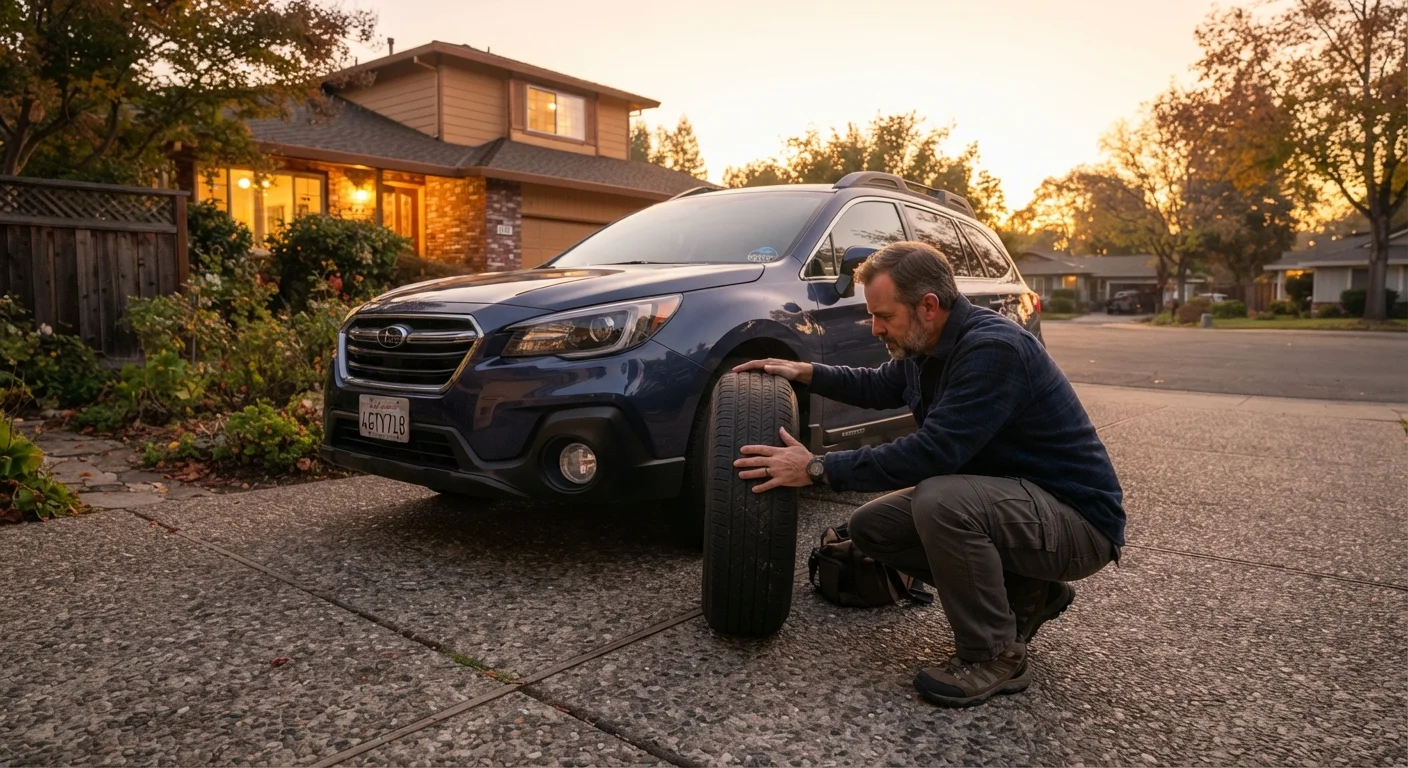
The mechanical section of this checklist focuses on systems most likely to cause an unplanned stop. Tires are the priority: pressure and tread condition affect braking distance, fuel efficiency, and blowout risk simultaneously. The door-jamb sticker - not the tire sidewall - gives the manufacturer-specified PSI for your vehicle.
Don't Rely Solely on Low-Pressure Dashboard Alerts
TPMS (Tire Pressure Monitoring System) warning lights typically only illuminate when a tire is 25% below recommended pressure - by which point handling and fuel economy are already compromised. Always use a physical gauge before a long drive rather than waiting for the dashboard to alert you.
Driver Fatigue Is a Crash Risk, Not Just Discomfort
According to the National Highway Traffic Safety Administration (NHTSA), drowsy driving contributes to thousands of crashes annually. Driving after being awake for 18 consecutive hours produces impairment comparable to a blood alcohol concentration of 0.05%. If you feel drowsy, stop - caffeine delays fatigue but does not replace sleep.
Fluids are the second critical area. Engine oil lubricates moving parts under load; running low on extended highway stretches accelerates wear significantly. Coolant prevents overheating, which can cause engine damage requiring expensive repair. Both take under five minutes to check.
For a more detailed breakdown of vehicle systems to inspect before a highway drive, a dedicated pre-drive vehicle checklist covers these in greater depth.
Vehicle Mechanical Checks
Safety & Emergency Supplies
Navigation & Trip Documents
Driver Readiness
Driver Readiness and Emergency Preparation
Vehicle condition is only half the equation. A well-maintained car driven by a fatigued driver is still a risk. Research consistently shows that drowsy driving impairs judgment and reaction time in ways that mirror alcohol intoxication. Planning rest stops proactively - rather than waiting until you feel tired - is one of the most effective habits a road tripper can develop. How your visual scanning habits affect reaction time is worth understanding before any long drive.
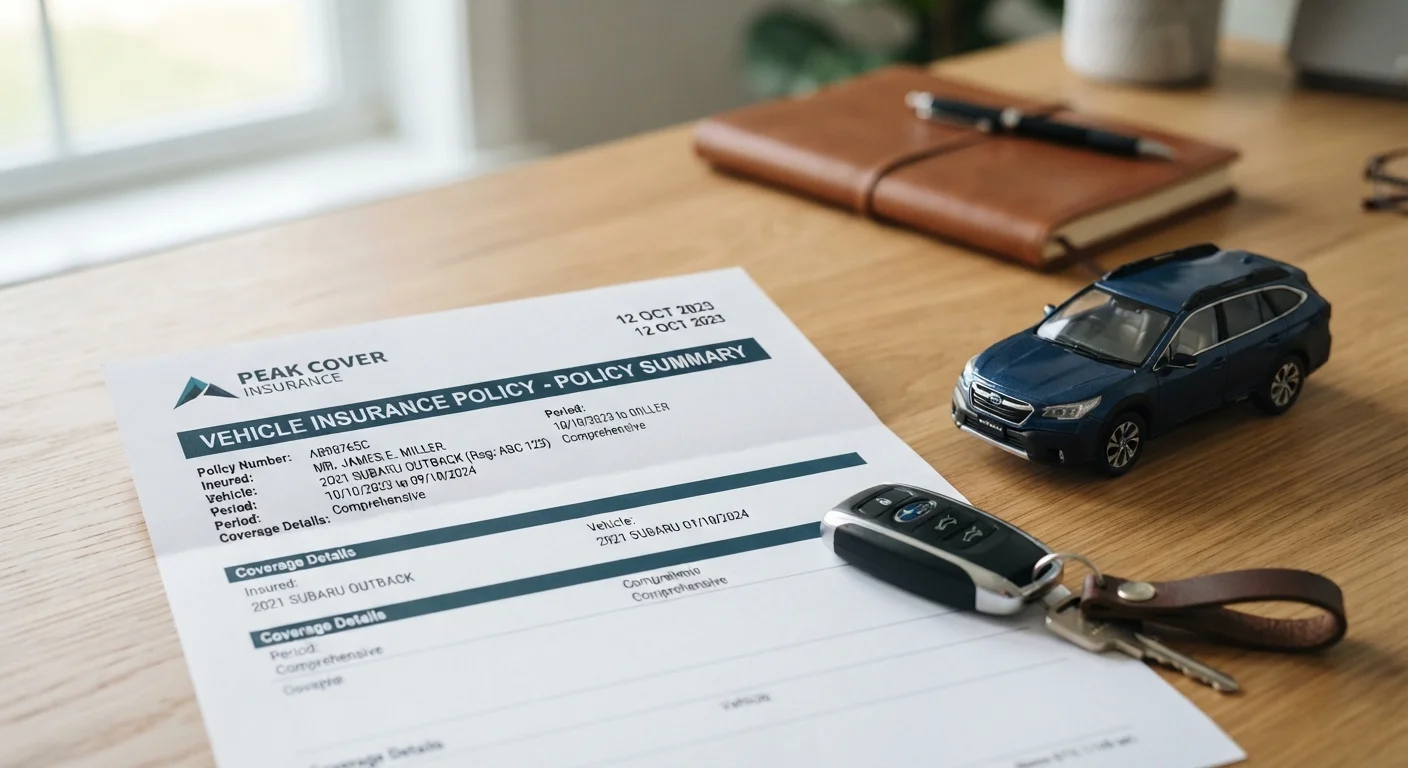
Check Insurance and Registration Before Every Trip
Driving with expired registration or a lapsed insurance policy can result in fines, license suspension, or significant out-of-pocket liability after an accident. Verify both are current before departure. If your coverage or documents are close to expiring, resolve that before hitting the road.
For night travel, the risk profile changes further. Night driving in America carries statistically higher fatality rates - reduced visibility, more impaired drivers on the road, and slower emergency response in rural areas all contribute. If your trip includes significant nighttime driving, factor in additional rest and adjust your departure timing where possible.
Finally, knowing what to do if something goes wrong is part of being prepared. Having emergency supplies is step one; understanding how to use them matters too. If you're ever in a collision, the first five minutes after a car accident outlines exactly how to respond before the adrenaline wears off.