Why the First Five Minutes Are Critical
A collision happens in an instant, but its aftermath unfolds in layers - physical shock, legal obligation, insurance documentation, and potential disputes. The actions you take - or fail to take - in those first few minutes can shape how your insurance claim is handled, whether you're found liable, and how quickly you recover from the incident.
Most drivers know they should exchange insurance information, but fewer have a clear mental script for the correct sequence of actions. Under stress, memory is unreliable. That's why having a practiced framework matters. This guide walks through exactly what to do, in order, before the adrenaline wears off.
Being prepared before an accident ever happens is equally important. Our road trip readiness checklist covers emergency supplies and pre-drive preparation that can help in any roadside situation.
Smartphone with camera
Document vehicle damage, license plates, road conditions, and the scene overall.
Insurance card (physical or digital)
Exchange policy information with the other driver as required by law in all US states.
Reflective warning triangles or road flares
Alert approaching traffic to your stopped vehicle, particularly on highways or low-visibility roads.
Pen and notepad
Record witness contact details, badge numbers, and observations before memory fades.
What You Need Before You Start
Preparation done in advance makes every step below faster and less stressful. At minimum, keep these items accessible in your vehicle at all times.
What you will need
Keep an Emergency Card in Your Glove Box
Store a small card with your insurance policy number, your insurer's claims number, and an emergency contact. In the disorientation after a crash, having this information at hand saves critical time and reduces the chance of forgetting key details.
Step-by-Step: What to Do Immediately After the Crash
Do Not Admit Fault at the Scene
Adrenaline and shock can distort your read of what happened. Statements like "I'm sorry" or "I didn't see you" can be interpreted as admissions of liability and used against you in a claim or lawsuit. Stick to checking on injuries, exchanging information, and speaking with law enforcement. Let the investigation determine fault.
Check for Injuries and Call 911
Before anything else, assess yourself and any passengers for injury. Do not attempt to move anyone who may have a neck or spinal injury unless there is an immediate danger such as fire. Call 911 immediately - this applies even to seemingly minor collisions. An officer's report creates an official record that your insurer will likely request, and emergency services can evaluate injuries that may not be immediately apparent due to shock or adrenaline.
Move to Safety if It Is Safe to Do So
If the vehicles are driveable and there are no serious injuries, move them to the shoulder or a nearby parking lot to clear the roadway. Turn on your hazard lights immediately. If the cars cannot be moved, stay inside with your seatbelt on until help arrives - do not stand in active lanes of traffic. Use reflective triangles or flares if you carry them.
Exchange Information with the Other Driver
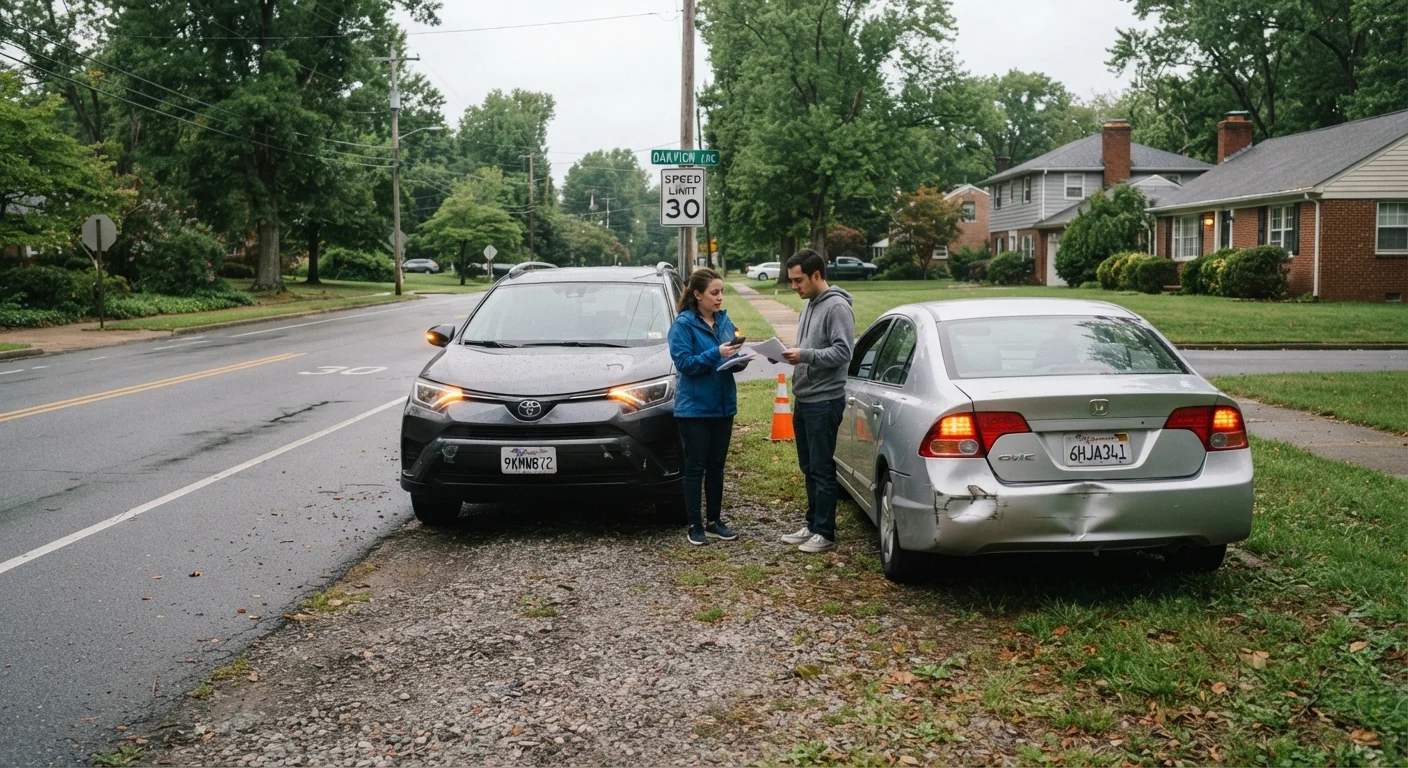
Once everyone is safe, exchange the following with the other driver:
- Full name and contact information
- Driver's license number
- License plate number
- Insurance company name and policy number
- Vehicle make, model, and year
If there are passengers or witnesses, collect their names and phone numbers as well. Do not discuss fault, liability, or settlement offers.
Document the Scene Thoroughly
Use your phone to photograph all vehicles involved from multiple angles, capturing damage, license plates, and the broader scene - road conditions, traffic signs, skid marks, and any relevant signage. Note the time, location, and direction each vehicle was traveling. If the other driver disputes the facts later, detailed visual documentation is your strongest evidence.
Speak with Law Enforcement and Get the Report Number
When officers arrive, describe what happened factually and concisely. Avoid speculation about fault. Request the responding officer's name, badge number, and the incident or case report number before they leave. Your insurer will use this report as a primary reference. In some jurisdictions, you can file a report yourself online or at a police station if officers do not respond to minor accidents - check your state's requirements.
Notify Your Insurance Company
Contact your insurer as soon as possible - ideally while still at or near the scene, or shortly after. Most auto insurance policies include a requirement to report accidents promptly; delayed reporting can complicate or jeopardize your claim. Provide the basic facts: location, time, parties involved, and the police report number. Do not provide a recorded statement until you understand your coverage and, if appropriate, have spoken with an attorney.
Common Mistakes That Complicate Claims
Beyond the steps above, a few avoidable missteps frequently surface in post-accident insurance disputes:
- Agreeing to settle on the spot: Accepting or offering cash payment to skip official reporting is risky. Injuries and vehicle damage often reveal themselves later, and you lose recourse once you've informally settled.
- Posting on social media: Even a neutral post about the accident can be used by opposing parties to challenge your account or the severity of your injuries. Hold off until the claim is resolved.
- Skipping the doctor: If you feel any discomfort - even minor - seek a medical evaluation. A documented exam creates a medical record that connects any injury to the accident, which matters significantly if a claim develops.
New drivers are particularly vulnerable to these errors. Our coverage of what new car owners frequently get wrong covers related missteps worth knowing in your first year behind the wheel.
Do Not Leave the Scene Prematurely
Leaving the scene of an accident - even a minor one - before exchanging information and speaking with police can constitute a hit-and-run under most state laws, carrying serious criminal penalties. Stay until law enforcement clears you to go, unless you require emergency medical transport.
Accidents frequently occur in higher-risk situations - low visibility being among the most common. If you drive at night regularly, night driving hazards and preparation is worth reading before you need it.