Where the Money Goes: The Real Cost of Checked Bags
Checked baggage fees have become a significant and largely unavoidable line item for air travelers in the United States. Most major domestic carriers charge between $30 and $40 for a first checked bag each way, meaning a round trip can cost $60 to $80 before you've left the airport curb. Add a second bag, or book a family of four, and you could be looking at $200 or more in fees for a single trip.
Over a year of even modest travel - say, four round trips - that adds up to several hundred dollars spent purely on bag transport. For travelers who already feel the pinch of airfare and accommodation costs, these fees represent real money that could go toward experiences instead.
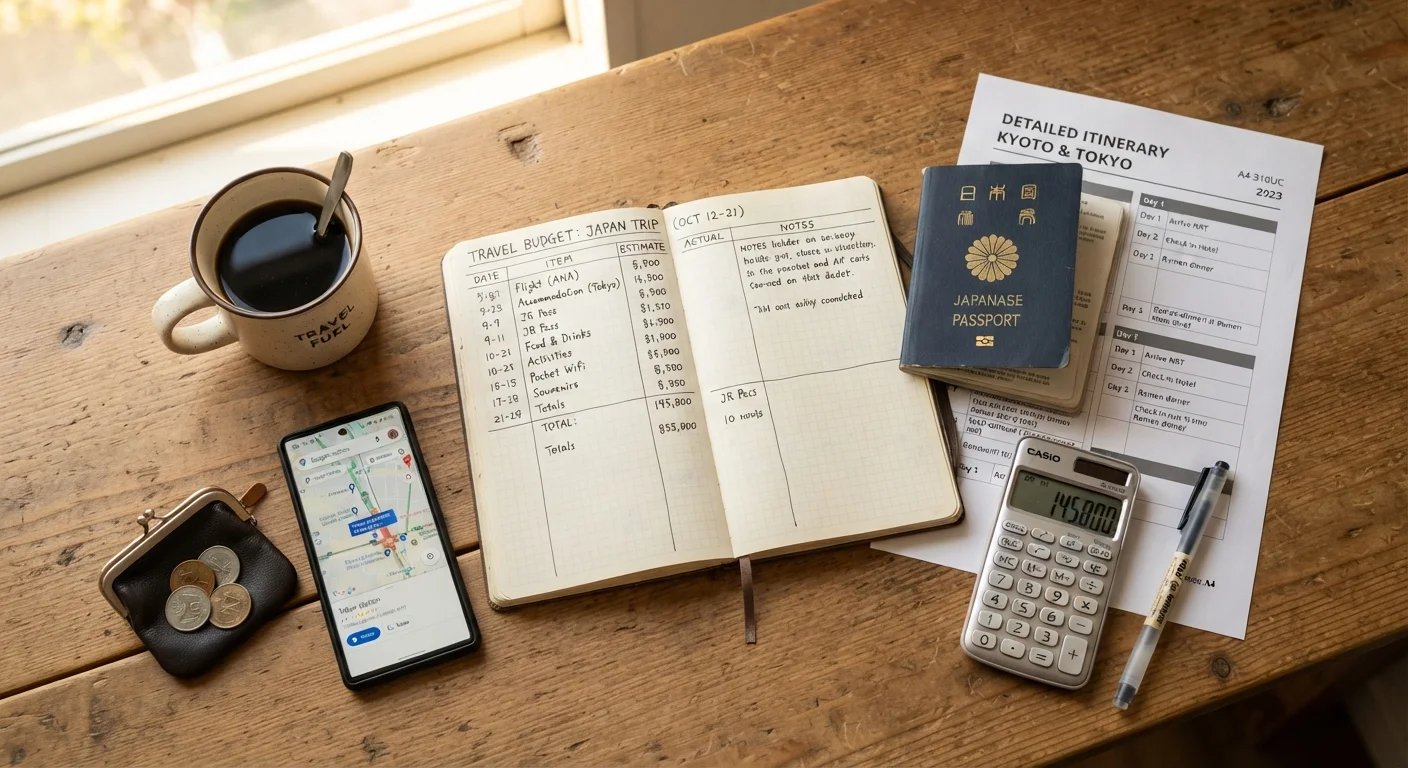
Part of building an accurate trip budget is accounting for these fees upfront, rather than discovering them at check-in. Many travelers underestimate baggage costs because they're tacked on after the initial fare is booked.
$30-$70
Typical first checked bag fee per flight
Most major U.S. carriers and many international airlines charge within this range for the first checked bag, each way.
$6B+
Annual baggage fee revenue, U.S. airlines
U.S. airlines collectively collect billions in baggage fees annually, according to data from the Bureau of Transportation Statistics.
The Pros of Carry-On-Only Travel
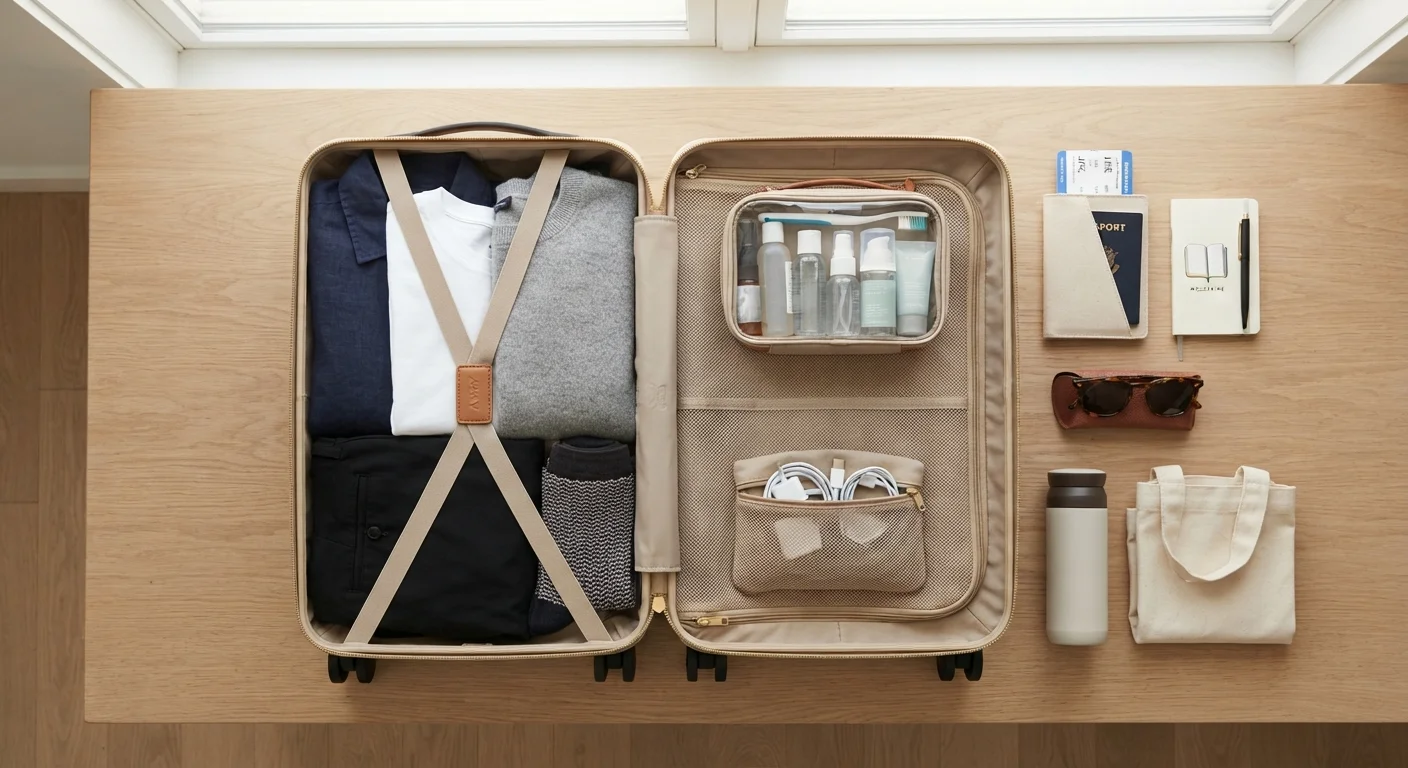
Switching to a carry-on isn't just about saving money - though that's often the clearest benefit. Here's the full picture of what you stand to gain.
Eliminates checked baggage fees entirely
On a round-trip domestic flight, skipping one checked bag typically saves $60 to $80. Over four trips a year, that's potentially $240 to $320 back in your pocket.
Faster airport experience
Carry-on travelers skip the check-in bag drop line and go straight to security, and they walk off the plane directly to ground transportation without waiting at baggage claim.
No risk of lost or delayed luggage
Airlines mishandle millions of bags annually. Keeping your belongings with you eliminates the possibility of arriving at your destination without your clothes or essentials.
Greater flexibility with flight changes
Without a checked bag, switching flights or rebooking is simpler - there's no bag to track down or transfer, which matters especially when dealing with delays or cancellations.
Encourages more intentional packing
Constraints can be clarifying. Packing light often leads travelers to bring only what they actually use, reducing the 'I never wore that' feeling after returning home.
The Cons: What You Actually Give Up
Carry-on travel isn't frictionless. There are genuine trade-offs, and being honest about them helps you decide whether the approach fits your trip.
Strict airline size and weight limits apply
Carry-on dimensions and weight allowances vary by airline and aren't always generous. A bag that fits one carrier's overhead bin may be gate-checked - at a fee - on another.
Liquids and toiletries are heavily restricted
TSA's 3-1-1 rule limits liquids to 3.4-ounce containers in a single quart-sized bag. Travelers who rely on specific products may find this limiting or need to buy items at their destination.
Not practical for longer trips or cold climates
A two-week winter trip with heavy layers, boots, and formal attire is genuinely difficult to fit into a standard carry-on. Some trips simply require more gear than one bag allows.
Overhead bin space isn't guaranteed
On full flights, overhead bins fill quickly. Travelers who board late may be forced to gate-check their bag anyway, defeating the purpose and potentially incurring a fee.
Budget carriers may charge for carry-ons too
Several low-cost airlines charge separately for overhead bin access, sometimes more than a standard checked bag fee. Savings depend entirely on the airline and fare class.
It's also worth knowing that some low-cost carriers charge separately for overhead bin access, meaning a carry-on isn't automatically free. Always check the specific baggage policy for your airline and fare class before assuming you'll save. This kind of hidden fee is covered in more detail in our guide to travel spending traps that quietly drain your vacation budget.
Who Should - and Shouldn't - Go Carry-On Only
Carry-on-only travel suits frequent short-haul flyers, weekend trippers, and anyone traveling to a warm destination with a flexible wardrobe. Business travelers who stick to a standard outfit rotation often find it straightforward to pack light. If you're comfortable doing a load of laundry mid-trip, even longer journeys become more manageable.
It's less practical for cold-weather travel, where bulky gear takes up space quickly. Travelers with medical devices, specialized equipment (like CPAP machines or mobility aids), or those attending formal events may find checked luggage genuinely necessary rather than optional.
Verify Baggage Rules Before Every Trip
Airline baggage policies - including carry-on size limits, weight allowances, and fee structures - change periodically and vary by fare class. What's free on one ticket may cost extra on another, even with the same airline. Always check the carrier's official baggage policy page after booking and before you pack. Official government and airline sources are the most reliable references for current rules.
Carry-on savings pair well with other budget strategies. For a broader look at reducing what you spend from flights to daily costs, see The Budget Traveler's Playbook. And if you're also rethinking where you sleep, reducing accommodation costs beyond hotels is worth reading alongside this.