Why Timing Is a Planning Decision, Not an Afterthought
Most people pick a destination first and dates second. That order often causes problems. The season you travel in determines the weather you'll face, the crowds you'll navigate, what's actually open, and how much competition exists for accommodation. Understanding seasonal patterns before you book - not after - is one of the core habits that separates smooth trips from frustrating ones.
See the full anatomy of a well-planned trip to understand how timing fits into the broader planning process. Seasonal timing isn't a single variable - it interacts with your trip type, travel group, and priorities in ways worth thinking through deliberately.
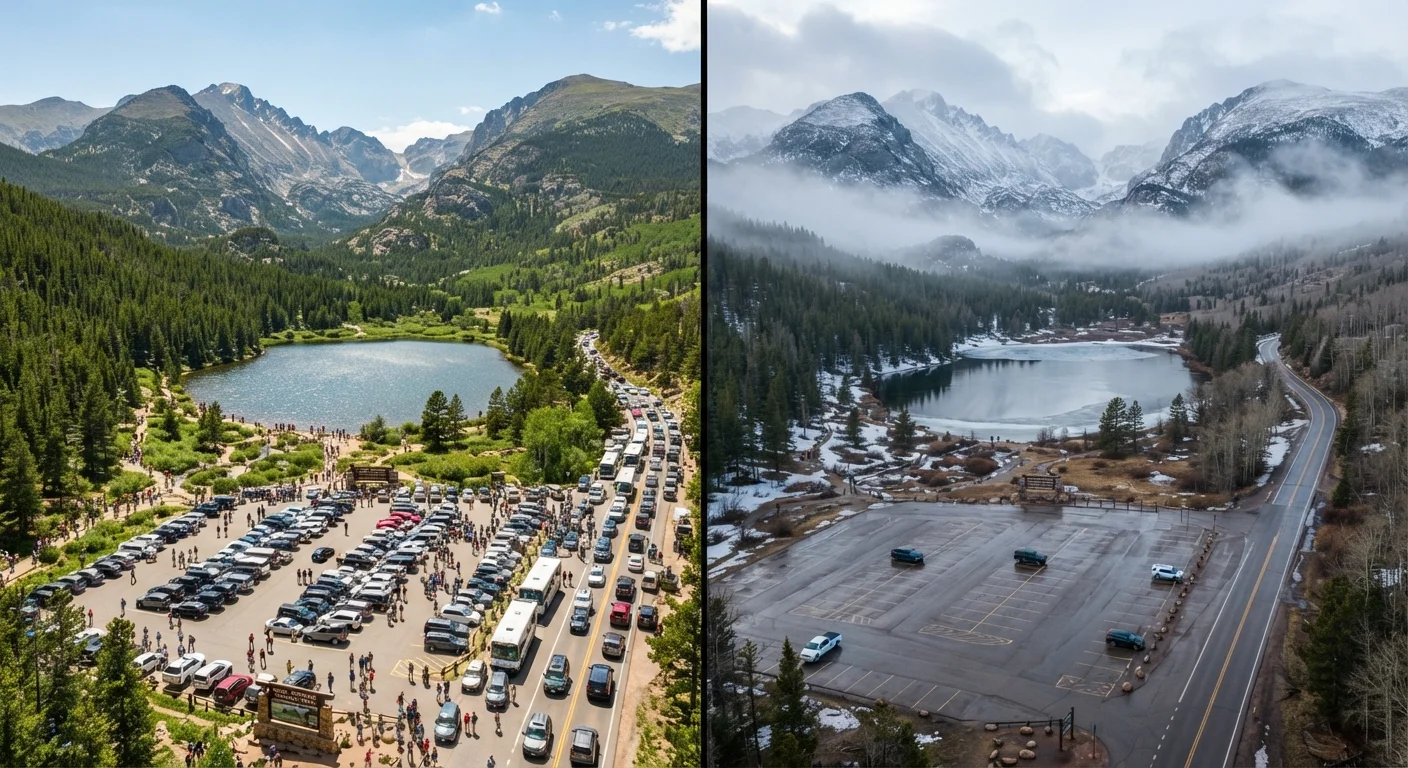
3-5×
Visitor volume increase at peak vs. off-peak
Popular U.S. national parks commonly see visitor counts several times higher in peak summer months compared to winter, according to National Park Service visitation data.
6-8 weeks
Typical shoulder season window per destination
Most travel researchers define shoulder season as roughly six to eight weeks on either side of peak, though the exact window varies by destination type and climate.
~30%
Facilities closed at some off-peak destinations
Seasonal resort communities and nature-focused destinations commonly report significant portions of tourism infrastructure operating on reduced schedules or closed entirely outside peak windows.
Peak Season: Maximum Access, Maximum Competition
Peak season is when the most visitors arrive - typically aligned with school breaks, favorable weather, or signature events at a destination. National parks in summer, ski resorts over winter holidays, coastal towns in July: these are classic peak-season windows.
The upside is real. Infrastructure is fully operational, guided tours run on regular schedules, and the weather is often at its most predictable and appealing. The downside is equally real: popular sites get crowded, accommodation fills up further in advance, and the experience at iconic spots can feel managed rather than immersive.
Peak season works well for families with school-calendar constraints, first-time visitors who want everything open and accessible, or anyone whose destination genuinely requires ideal weather conditions - high-altitude hikes, certain wildlife encounters, water-based activities.
Shoulder Season: The Practical Middle Ground
Shoulder season occupies the windows just before and after peak - think late spring before summer crowds arrive, or early fall after they thin out. Conditions are often still favorable: temperatures are moderate, most services are running, and visitor numbers drop meaningfully from peak highs.
For many destination types, shoulder season is when the experience feels most balanced. You can access major sites without the density of peak crowds, and accommodation availability tends to open up. This doesn't guarantee lower prices - demand can still be significant - but the overall experience often feels less compressed.
Experienced travelers tend to plan around shoulder windows precisely because the tradeoffs tilt in their favor: weather that's acceptable, sites that are accessible, and a pace that's more manageable. The accommodation picture also shifts in shoulder season, with more flexibility across different lodging types.
Research the Specific Window, Not Just the Season
"Shoulder season" spans different weeks at different destinations. At one beach town it might be May and October; at a mountain park it might be late spring after snowmelt or early fall before closures. Check destination-specific visitation patterns - general seasonal labels are starting points, not precise guides.
Off-Peak Season: Quiet Comes With Caveats
Off-peak travel carries the most uncertainty. Some destinations close facilities entirely, reduce operating hours dramatically, or become difficult to access due to weather. Others remain largely open but simply quieter - which is exactly what some travelers want.
Urban destinations often hold up better in low season than rural or nature-focused ones. A city's museums, restaurants, and transit systems tend to keep running year-round; a coastal resort town in January may have a third of its businesses shuttered.
Before booking off-peak, verify: What's actually open? Are weather conditions safe and manageable for your planned activities? Does reduced visitor demand affect any specific experiences you're counting on? These aren't reasons to avoid off-peak travel - they're reasons to research it more carefully. Always confirm current entry requirements, safety conditions, and local advisories through official government and tourism sources before traveling, regardless of season.
Safety and Entry Conditions Can Change
Weather events, infrastructure closures, visa requirements, and health-related entry conditions can all shift independently of seasonal patterns. Before any trip, verify current conditions through official government travel advisories and the destination's official tourism sources - not just travel blogs or past visitor reviews.
Matching Season to Trip Type
The right season is the one that matches your trip's actual purpose. A few practical frameworks:
- Wildlife and nature trips: Timing often dictates whether the experience is possible at all. Migration windows, nesting seasons, and weather-dependent access mean getting the timing wrong can mean missing the main event entirely.
- Cultural and urban trips: These are often more seasonally flexible, though major festivals or events can create localized peaks worth either targeting or avoiding depending on your preference.
- Beach and water destinations: Weather is the primary driver. Shoulder season can work well if you're comfortable with slightly cooler water and occasional overcast days.
- Mountain and hiking trips: Trail conditions, snow cover, and daylight hours vary dramatically. What's a rewarding hike in September may be inaccessible in November.
Solo travelers and group travelers often reach different seasonal conclusions - a solo traveler with flexible dates can target narrow shoulder windows that a family of five simply can't coordinate around.
Seasonal timing also has parallels outside of travel. Seasonal pricing cycles affect many consumer categories - the underlying logic of supply, demand, and calendar-driven behavior applies broadly.