Why These Three Tool Categories Matter
Most digital organization struggles come down to a single problem: information, actions, and appointments all get mixed together in one messy pile - a phone's notes app stuffed with grocery lists, meeting notes, reminders, and half-finished ideas. The result is that nothing is easy to find when you need it.
The solution isn't downloading more apps. It's understanding that three distinct categories of information exist in everyday life, and each benefits from its own dedicated space. Notes capture information. Tasks track actions. Calendars manage time. Once those categories click, choosing and using tools becomes much simpler.
For a broader view of which digital tools genuinely simplify household life, see The Digital Toolkit Every Household Actually Needs.
Notes app
A digital tool for saving and organizing information you want to reference later, such as ideas, research, or reference material.
Tasks app
A digital tool for tracking specific actions you need to complete, typically with checkboxes, due dates, and priority levels.
Calendar app
A digital tool for managing appointments, deadlines, and events tied to specific dates and times.
Sync
When an app automatically updates across all your devices so the same information is always available on your phone, tablet, and computer.
Shared calendar
A calendar that more than one person can view and edit, useful for coordinating schedules within a household or team.
Inbox method
A capture habit where everything goes into one place first, then gets sorted or organized during a separate review step rather than immediately.
Notes: Your Digital Capture System
A notes app is your personal reference library - a place to save anything you might need to look up later. This includes research, meeting notes, recipes, passwords (in a secure app), packing lists, and anything else worth keeping but not necessarily acting on right now.
The most useful notes apps sync across devices automatically, so what you save on your phone is accessible on your laptop. Look for basic organization features like notebooks or folders, and a search function that actually works. Most built-in phone and computer apps already do this reasonably well.
One practical habit: create a single inbox folder where everything lands first, then sort periodically rather than trying to file perfectly every time. This lowers the barrier to capturing information in the moment.
Use Your Notes App as a Quick Capture Tool
Don't aim for perfect organization when you're capturing information on the go - just get it written down. A single 'Inbox' note or folder where everything lands first is enough. Set aside a few minutes once a week to sort or archive, rather than trying to file everything in the moment.
Tasks: Turning Ideas Into Action
A tasks app - sometimes called a to-do list app - is where captured information becomes something you commit to doing. Unlike notes, tasks have a clear outcome: done or not done. The best task tools let you add due dates, break big projects into smaller steps, and check things off as you go.
The key distinction from notes: if something requires you to do something, it belongs in your task list, not your notes. "Research home insurance options" is a task. The quotes you collect during that research are notes.
For households juggling shared responsibilities, some task apps support shared lists - useful for splitting chores or coordinating purchases without relying on memory or group chats.
Calendars: Managing Time and Commitments
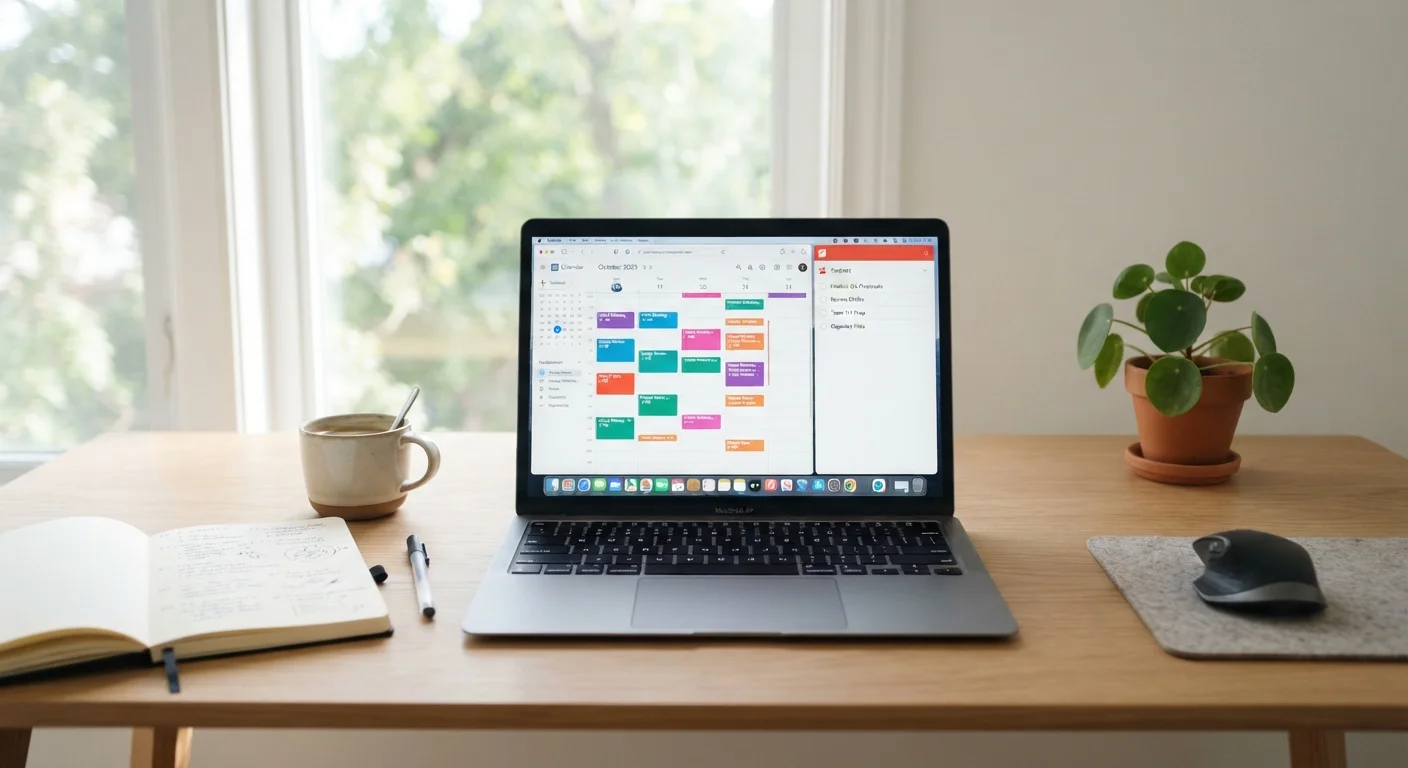
A calendar handles anything tied to a specific date and time - appointments, deadlines, recurring bills, school events, and travel. Its job isn't to remind you of everything you need to do (that's your task list); it's to show you when things are happening so you can plan around them.
Most smartphones come with a capable built-in calendar that syncs with common email accounts. For shared household scheduling, many calendar apps let multiple people view and edit the same calendar, which can replace a lot of back-and-forth messaging.
For households also working on financial habits, digital bill reminders set in a calendar pair naturally with the budgeting tools covered in Digital Tools for Managing Household Finances.
Built-In Apps Are More Capable Than They Seem
Apple, Google, and Microsoft each offer notes, tasks, and calendar tools built into their ecosystems at no extra cost. These apps are regularly updated, work reliably across devices, and cover the needs of most everyday users. Before downloading a third-party alternative, it's worth spending a week with what you already have.
How Notes, Tasks, and Calendars Work Together
These three tools aren't meant to operate in isolation. A practical workflow might look like this: you capture a rough idea in notes, then convert it into a specific action in your task list, and finally block out time on your calendar when you'll do the work. Each tool hands off to the next.
For example: you read about a home repair you want to tackle. The instructions go into your notes app. "Schedule repair" goes on your task list. The Saturday morning you plan to do it gets blocked on your calendar. Nothing falls through the cracks because each type of information lives in the right place.
Once you have a working system here, you may find repetitive steps worth automating. The Automation Tools for Everyday Tasks guide explains how to get started without overcomplicating things.
Choosing Tools Without Getting Overwhelmed
The app marketplace is crowded, and many tools compete loudly for attention. A practical filter: start with what's already on your device. Most phones and computers include a capable notes app, a calendar, and a basic reminders or tasks feature. These built-in tools handle everyday needs without any setup or cost.
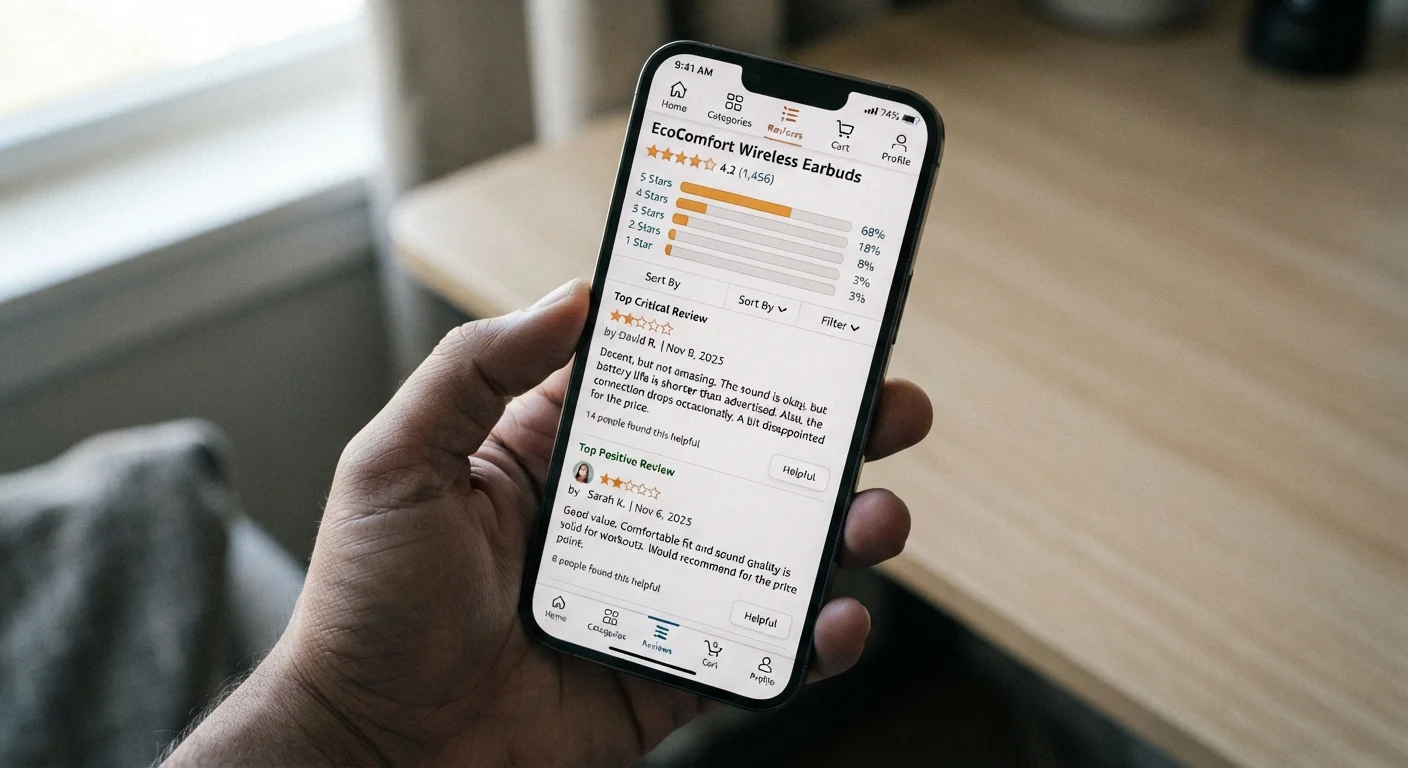
Only consider a third-party app if a specific, recurring frustration pushes you there - not because a review called it the best option. If you do explore alternatives, try the free version for at least two weeks before deciding whether a paid plan is worth it.
Consistency matters far more than the tool itself. A simple system you use every day will serve you better than a feature-rich app you abandon by week three. Start small, build the habit, and expand only when a genuine gap appears.
App Switching Is a Hidden Time Drain
Switching between multiple organization apps every few months - chasing the 'best' option - often creates more disruption than it solves. Every switch means re-entering data, re-learning a new interface, and rebuilding habits from scratch. Pick something reasonable, stick with it long enough to evaluate it fairly, then decide whether a change is genuinely warranted.