Starting Smart: How to Search for Products Online
The average American retail search starts with a generic query - and generic queries return overwhelming, sometimes misleading results. Tightening your search from the start saves time and reduces the chance of landing on low-quality listings.
Use specific, descriptive terms: include material, size, color, or intended use rather than just a product name. Adding terms like "reviews" or a specific use case ("for small apartments," "for beginners") can surface more relevant editorial content alongside listings.
Be cautious with search ads. Sponsored results appear at the top of most search engines and marketplaces; they are paid placements, not editorial endorsements. Scroll past them to compare against organic results before deciding where to click.
Explore our Smart Deal Hunting hub for strategies on filtering genuine value from promotional noise.
When searching on a marketplace, add the word 'sold by' followed by the platform name in your query to filter results to first-party listings, which typically carry stronger return policies.
Third-party marketplace sellers vary significantly in reliability and policy consistency; first-party listings reduce that variability for shoppers who prioritize predictable service.
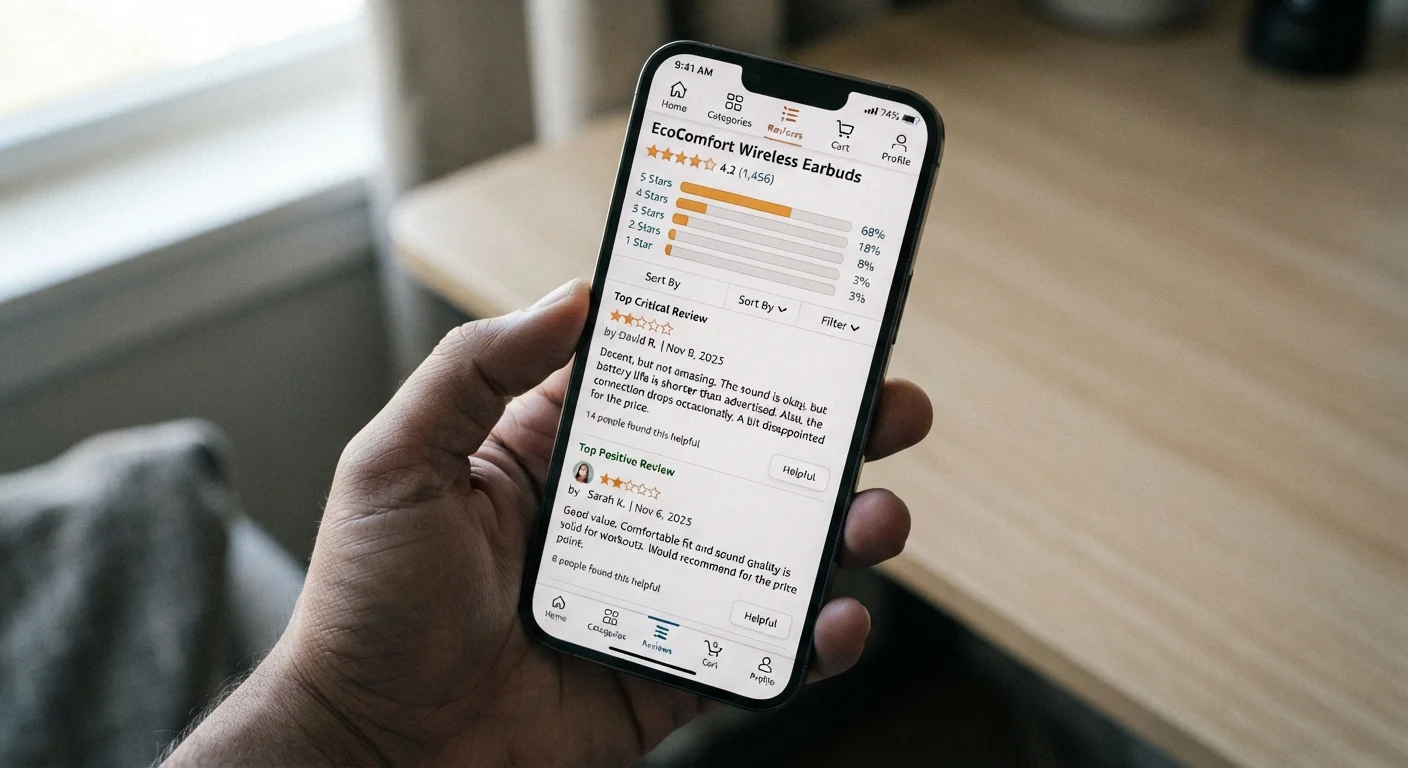
Before trusting a review score, check the volume and recency of reviews together - a 4.8-star product with 12 reviews warrants more skepticism than a 4.4-star product with 2,000 reviews.
Small review samples are statistically unreliable and more susceptible to manipulation; volume combined with recency provides a more meaningful signal of consistent product quality.
Evaluating Products Before You Commit
Product pages are written to sell. Your job is to read past the marketing language and assess what the item actually delivers.
Start with the product specifications - dimensions, materials, compatibility requirements, and warranty length. Cross-reference those details against any customer reviews that mention real-world performance rather than just satisfaction scores.
Review quality varies widely. Look for verified-purchase labels, and weight recent reviews more heavily than older ones, particularly for electronics or consumables where quality can shift between manufacturing batches. A pattern of complaints about the same issue - poor packaging, incorrect sizing, short lifespan - is more reliable than any single negative review.
Check the seller's return policy before adding to cart. Many third-party marketplace sellers have stricter or shorter return windows than the platform's own listings. This information is usually buried in product page tabs.
82%
Shoppers who read reviews before buying
According to a PowerReviews survey, the vast majority of US online shoppers consult customer reviews before making a purchase decision.
$8.8B
Consumer losses to online shopping fraud
The FTC reported that US consumers lost billions to fraud in a recent year, with online shopping among the most frequently cited categories.
Use our pre-purchase checklist to confirm you've covered every evaluation step before checking out.
Checkout Safety: Protecting Your Payment Information
Checkout is where most online fraud occurs. A few consistent habits dramatically reduce your exposure.
Verify the URL begins with https:// - the padlock icon in your browser confirms the connection is encrypted. Avoid completing purchases on unfamiliar sites that lack this. If a deal from a new retailer seems unusually attractive, search the domain name alongside words like "scam" or "reviews" before entering any payment details.
Never Pay by Wire Transfer or Gift Card Online
Legitimate retailers do not ask for payment via wire transfer, cryptocurrency, or gift card redemption codes at checkout. These payment methods are irreversible and carry no consumer protections. If a site or seller requests these methods, treat it as a strong indicator of fraud and do not proceed.
For payment methods, credit cards offer the strongest consumer protections in the US, including chargeback rights under the Fair Credit Billing Act. Debit cards carry weaker protections, and payment apps or gift cards offer almost none once funds are transferred.
Consider using a virtual card number, a feature many major card issuers now offer, for one-time purchases on unfamiliar sites. This limits exposure if the site is later compromised.
See our guide to identifying genuine discounts to avoid fake urgency tactics that rush shoppers into poor checkout decisions.
Tracking Deliveries and Managing Expectations
Once an order is placed, the next friction point is uncertainty about delivery. A few habits keep you informed without constant manual checking.
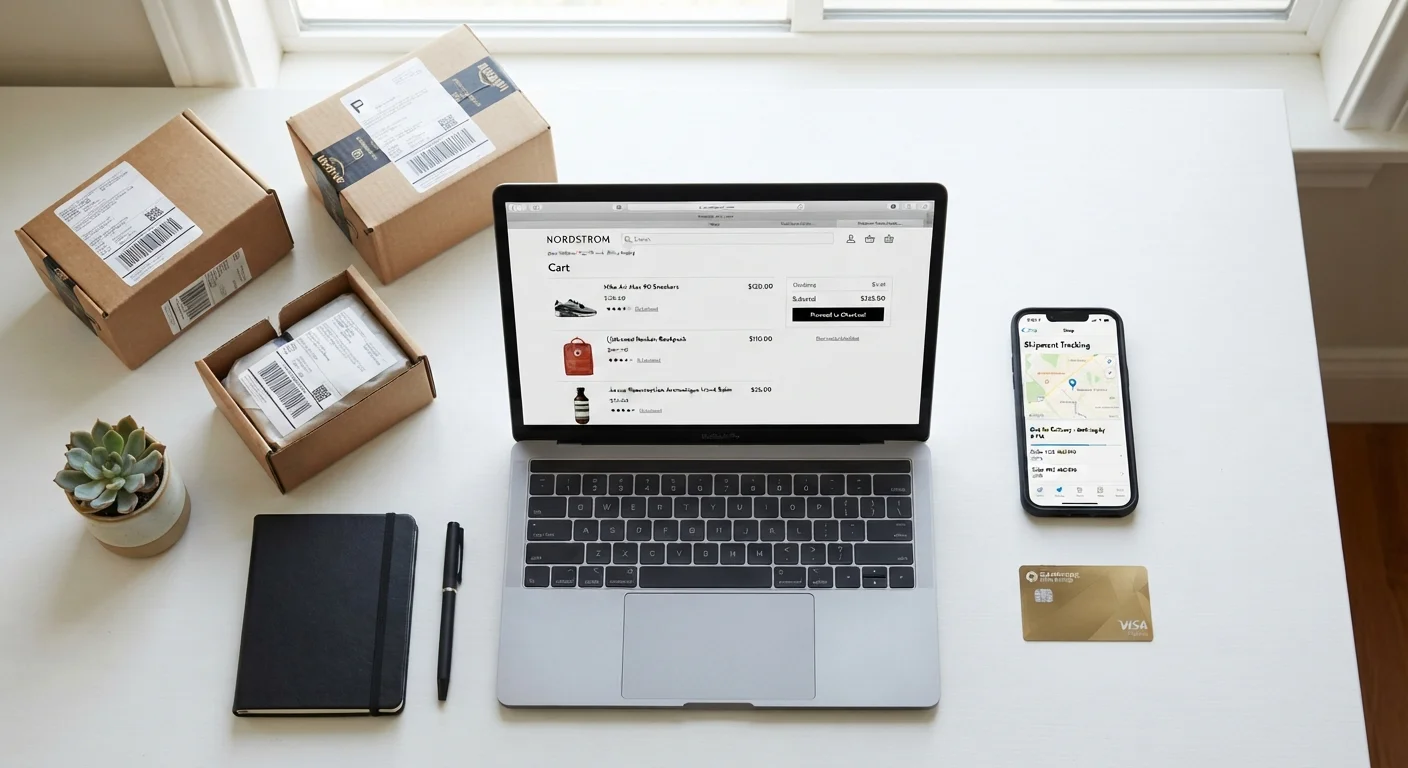
Save your order confirmation email immediately - it contains your order number, estimated delivery window, and the carrier assigned to your shipment. Most retailers send a separate shipping confirmation with a tracking number once the package leaves their warehouse; this is the number to use on the carrier's own website for the most accurate status.
Carrier apps (operated by USPS, UPS, FedEx, and others) allow you to set up delivery alerts by text or email, which is more reliable than refreshing a retailer's order page. If a tracking number stops updating for more than 72 hours after the estimated ship date, contact the retailer - not the carrier - as the seller holds the contract with the shipping company.
Set Delivery Alerts Before You Close the Tab
As soon as you receive your shipping confirmation, register the tracking number directly with the carrier and enable SMS or email notifications. This takes under two minutes and eliminates most delivery-day uncertainty. It also creates a timestamped record that can support a dispute if the package is marked delivered but never arrives.
Digital tools that aggregate tracking numbers across multiple carriers can simplify management if you regularly shop from several retailers. See our Digital Tools & Apps hub for options worth exploring.
Disputes, Returns, and Getting Your Money Back
Even careful shoppers occasionally receive the wrong item, a damaged product, or nothing at all. Knowing the process before a problem occurs puts you in a stronger position.
Start with the seller. Most platforms require buyers to contact the seller first and give them a resolution window - typically 48 to 72 hours - before escalating. Document everything: take photos of damaged goods, screenshot tracking information showing non-delivery, and keep all email correspondence.
If the seller is unresponsive or unhelpful, escalate to the platform's buyer protection program. Marketplaces generally have structured dispute processes that can result in a refund even if the seller disputes your claim.
As a last resort, initiate a chargeback with your credit card issuer. You generally have 60 days from the statement date on which the charge appeared to file a dispute under the Fair Credit Billing Act. Provide documentation: order confirmations, tracking records, and your communications with the seller.
Don't Wait Too Long to File a Dispute
Chargeback deadlines are fixed - typically 60 days from the billing statement date under US law, though some card issuers may allow longer windows. Waiting for a seller to 'come through' can cause you to miss the dispute window entirely. If a resolution isn't reached within two weeks of your complaint, begin the formal dispute process to preserve your rights.
The same systematic approach applies to other large consumer purchases. Our guide to navigating a car transaction from research to keys in hand shows how similar consumer-protection principles apply in higher-stakes purchases.