
Stage 1: Research - Before You Set Foot Anywhere
The research phase is where well-prepared buyers create their advantage. Before visiting a dealership or responding to a private listing, establish a clear picture of what you need versus what you want. Consider factors such as fuel type, cargo capacity, safety ratings from the National Highway Traffic Safety Administration (NHTSA) or the Insurance Institute for Highway Safety (IIHS), and total cost of ownership - which includes insurance, fuel, and expected maintenance costs, not just the sticker price.
Use manufacturer websites to confirm standard versus optional features on specific trim levels, since listings frequently omit or misstate this information. Cross-reference owner forums and reliability data from sources such as Consumer Reports for long-term ownership patterns. This research phase applies equally whether you are buying new, certified pre-owned (CPO), or used from a private seller.
See our complete ownership roadmap for a broader view of every stage from purchase through eventual trade-in.
Set your must-have features in writing before you visit any dealership or browse any listings. Without a written list, it's easy to be upsold into options you don't need once you're in the room.
Buyers who define requirements in advance are less susceptible to feature-creep upselling, which is a documented pattern in automotive retail environments.
Request the out-the-door (OTD) price in writing early in any negotiation - this total, including taxes, registration fees, and dealer fees, is the only number that reflects what you will actually pay.
Monthly payment focus is the most common negotiation tactic dealers use to obscure the true cost of a transaction; the OTD price removes that ambiguity.
Stage 2: Valuation - What the Vehicle Is Actually Worth
Valuation is the single most important number in any car transaction - and it belongs to neither buyer nor seller by default. Tools such as Kelley Blue Book, Edmunds, and the National Automobile Dealers Association (NADA) Guides publish market-based estimates that account for make, model, year, mileage, condition, and regional demand. Treat any single tool's output as a reference range, not a definitive price.
For sellers, pricing too high delays the sale; pricing too low leaves money on the table and may signal a problem to experienced buyers. For buyers, knowing the fair market value before negotiating means you can evaluate any asking price objectively rather than emotionally.
~$48,000
Average new vehicle transaction price in the U.S.
According to Kelley Blue Book data, the average new car transaction price has hovered near this level in recent years, underscoring the financial stakes of each purchase decision.
72+ months
Common loan term length for new vehicle financing
Experian's State of the Automotive Finance Market reports show a significant share of new vehicle loans are now structured at 72 months or longer, increasing total interest paid.
If you are selling privately, first-time private sellers frequently make avoidable valuation mistakes - understanding the market before you list is the most reliable way to avoid them.
Stage 3: Financing - Knowing Your Numbers First
Financing decisions made at the dealership under time pressure are rarely the most favorable. Obtain a pre-approval from your bank or credit union before shopping - this establishes the interest rate and loan amount you qualify for and transforms the dealer's financing offer into something you can compare rather than accept blindly.
Understand the difference between the vehicle price and the total loan cost. A longer loan term reduces the monthly payment but increases the total interest paid. The annual percentage rate (APR) - the true annual cost of borrowing, including fees - is the correct figure to compare across lenders, not just the monthly payment amount.
Avoid Negotiating Only on Monthly Payment
Focusing exclusively on a monthly payment figure allows other variables - loan term, interest rate, vehicle price, trade-in value - to be manipulated without your awareness. A lower monthly payment achieved by extending the loan term to 84 months can cost significantly more in total interest than a shorter loan at the same rate. Always negotiate the vehicle price first, then structure financing separately.
This section is for general informational purposes and does not constitute personalized financial advice. Consult a qualified financial professional for guidance specific to your situation.
Stage 4: Negotiation - The Conversation That Sets the Price
Effective negotiation is a structured exchange of information, not a confrontation. Walk into any negotiation having established your target price (based on valuation), your walk-away point, and your financing terms. Negotiate the vehicle price and trade-in value as separate line items - dealers often bundle these together in ways that obscure whether each is actually favorable.
For new vehicles, the invoice price - what the dealer paid the manufacturer - is publicly available and provides a practical reference floor. For used vehicles, the certified pre-owned (CPO) premium reflects added warranty coverage and inspection, so evaluate whether that coverage justifies the higher price in your specific case.
Our in-depth guide on negotiating a car price without losing the room covers dealer conversation mechanics in detail.
“Information is the great equalizer in a car negotiation. A buyer who knows the invoice price, has a pre-approved loan rate, and understands the trade-in value is operating from a position of genuine strength.”
— Consumer Financial Protection Bureau, U.S. federal agency providing automotive financing guidance
Stage 5: Inspection and Vehicle History
For any used vehicle, a pre-purchase inspection (PPI) by an independent, qualified mechanic is a non-negotiable step. A PPI typically costs between $100 and $200 and can reveal mechanical problems, deferred maintenance, or prior collision repairs that no listing photo will disclose. Any seller unwilling to allow an independent inspection is a meaningful red flag.
Supplement the mechanical inspection with a vehicle history report from services such as Carfax or AutoCheck, which compile accident records, title events (salvage, flood, lemon law buyback), odometer readings, and service history pulled from DMV and insurance data. Neither report is guaranteed to be complete - some incidents are never reported - so treat history reports as useful context, not a clean bill of health.
Never Skip a Pre-Purchase Inspection
A used vehicle that appears clean in photos and has a positive history report can still carry significant mechanical problems. An independent pre-purchase inspection by a mechanic who has no connection to the seller is the only way to assess the vehicle's actual condition. Skipping this step to save $100-$200 can result in repair bills that run into the thousands shortly after purchase.
Stage 6: Paperwork - The Legal Transfer of Ownership
The paperwork stage formalizes the transaction and establishes legal ownership. Core documents in a U.S. vehicle sale include:
- Title (Certificate of Title): The primary legal proof of ownership. The seller must sign over the title to the buyer; requirements vary by state, but signatures typically must be notarized or witnessed per state DMV rules.
- Bill of Sale: Documents the agreed purchase price, vehicle identification number (VIN), odometer reading, and identities of both parties. Required in most states and important for tax purposes.
- Odometer Disclosure Statement: Federally required under the Truth in Mileage Act for vehicles under ten years old.
- Release of Liability: Filed by the seller with the state DMV to confirm the vehicle has changed hands, protecting the seller from post-sale incidents.
At a dealership, additional documents include the retail installment sales contract (if financing), warranty disclosures, and any add-on product agreements. Read every document before signing - F&I (finance and insurance) office add-ons are optional and may be declined.
For a complete document checklist, see every document involved in a private car sale.
Read Every F&I Document Before Signing
In the finance and insurance (F&I) office, you may be presented with add-on products such as extended warranties, gap insurance, or paint protection packages. Each of these is optional and separately priced. Ask for an itemized breakdown of every charge and take the time to read the terms - rushing through this stage is where buyers most commonly accept costs they didn't intend to.
Stage 7: After the Keys - What Happens Next
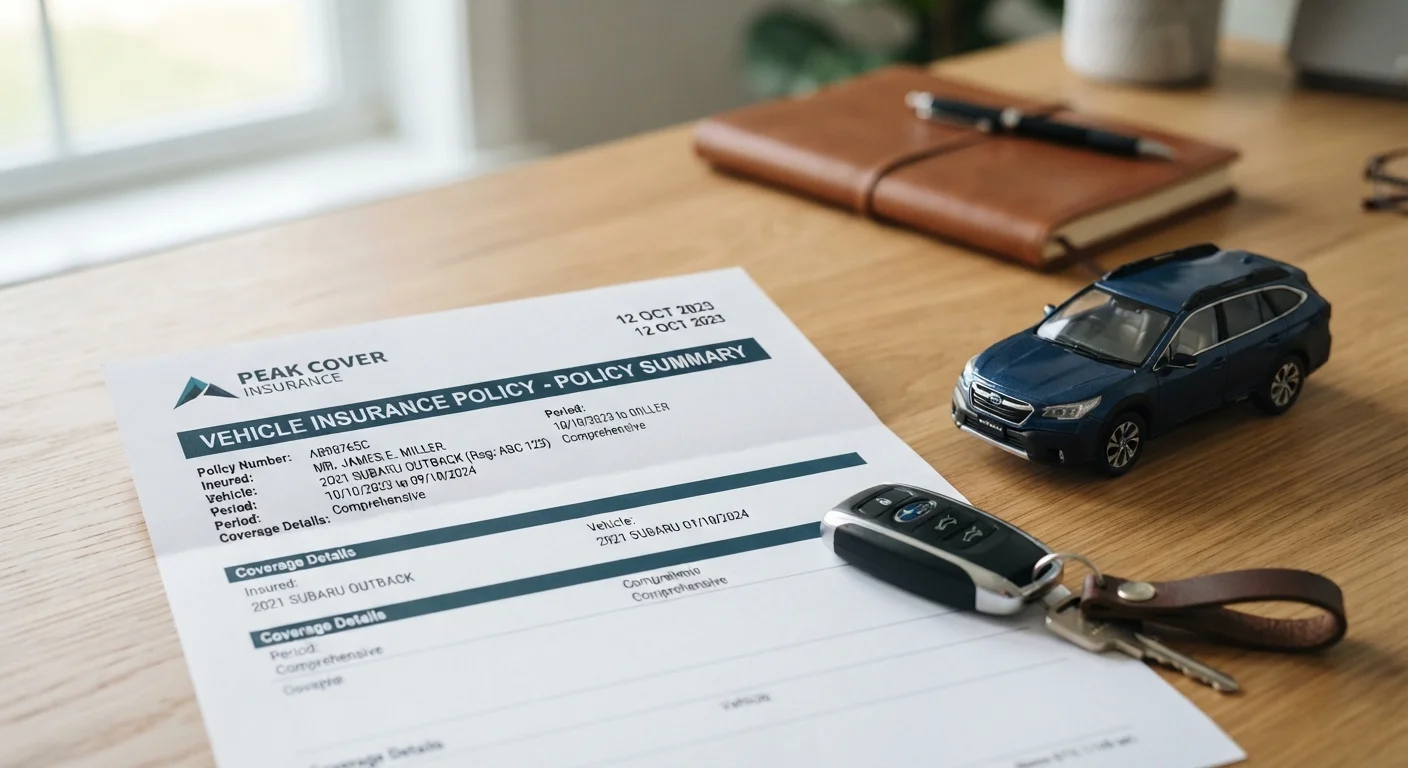
Receiving the keys is not the end of the transaction - several post-sale steps are required. Register the vehicle with your state's DMV within the deadline specified by your state (typically 10-30 days). Secure auto insurance before driving the vehicle off the lot or away from a private sale; most states require at minimum liability coverage, and lenders require comprehensive and collision if the vehicle is financed.
If you purchased privately, confirm the title has been transferred in your name at the DMV and that the seller has filed their release of liability. Keep copies of all transaction documents in a secure location.
From this point forward, routine maintenance, registration renewals, and eventual resale planning become the ongoing responsibilities of ownership. The Car Ownership Basics hub covers the full range of those responsibilities in practical detail.
Understanding the complete lifecycle - from initial research through post-sale registration - means no stage of a car transaction has to feel unfamiliar or rushed. Preparation at each step is the most consistent way to protect both your budget and your legal interests.