Understanding the True Cost of Ownership Before You Buy
Most buyers focus on the monthly payment, but that number represents only a portion of what a vehicle will actually cost. Fuel, insurance, scheduled maintenance, registration fees, and depreciation all add up - often totaling thousands of dollars per year beyond the loan payment.
A full accounting of transportation costs goes well beyond the car payment and includes insurance, fuel, maintenance, parking, and depreciation. Running this full-cost estimate before committing to a purchase helps avoid financial strain later.
Depreciation deserves particular attention. New vehicles typically lose a significant portion of their value within the first few years of ownership. Understanding how and why vehicles lose value allows you to factor it into your purchase timing and eventual exit strategy.
$10,728
Average annual cost to own a vehicle in the U.S.
According to AAA's annual Your Driving Costs study, which factors in fuel, maintenance, tires, insurance, license fees, and depreciation.
~20%
Typical first-year depreciation for a new vehicle
Many new cars lose roughly 15-20% of their value within the first year, according to widely cited automotive industry data.
60%+
Of vehicle breakdowns linked to deferred maintenance
Industry estimates consistently attribute the majority of roadside breakdowns to neglected routine maintenance such as fluid changes and tire care.
Financing, Registration, and Title Essentials
If you're financing, the loan terms - interest rate, term length, and down payment - directly affect total cost. A longer loan term lowers monthly payments but increases total interest paid. Aim for the shortest term you can comfortably manage, and review the annual percentage rate (APR) across multiple lenders before committing.
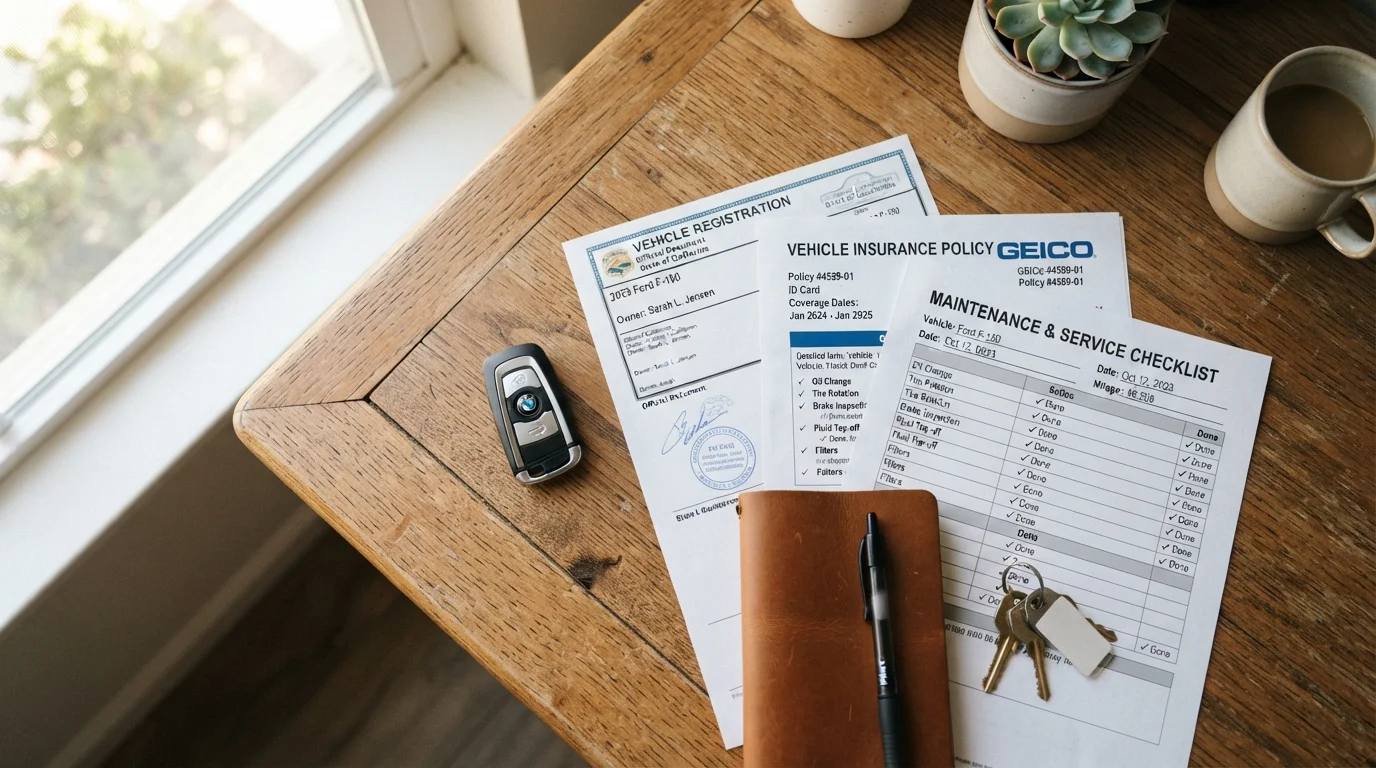
Once you purchase, you'll need to register the vehicle with your state's department of motor vehicles (DMV) and secure the title - the legal document proving ownership. If a lender is involved, they typically hold the title until the loan is paid off. Registration requirements and fees vary by state, so confirm what's required locally.
Every stage of a car transaction, from research to paperwork, involves details that catch unprepared buyers off guard. Review the process thoroughly before signing anything.
Never Drive Without a Clear Title and Registration
Operating a vehicle with an unclear title - or before registration is finalized - can create significant legal complications, including inability to prove ownership in a dispute or accident. If you purchased from a private seller, confirm the title transfer is complete with your state DMV before driving regularly. Lien releases must be documented if the seller had an outstanding loan.
Insurance: Getting the Right Coverage
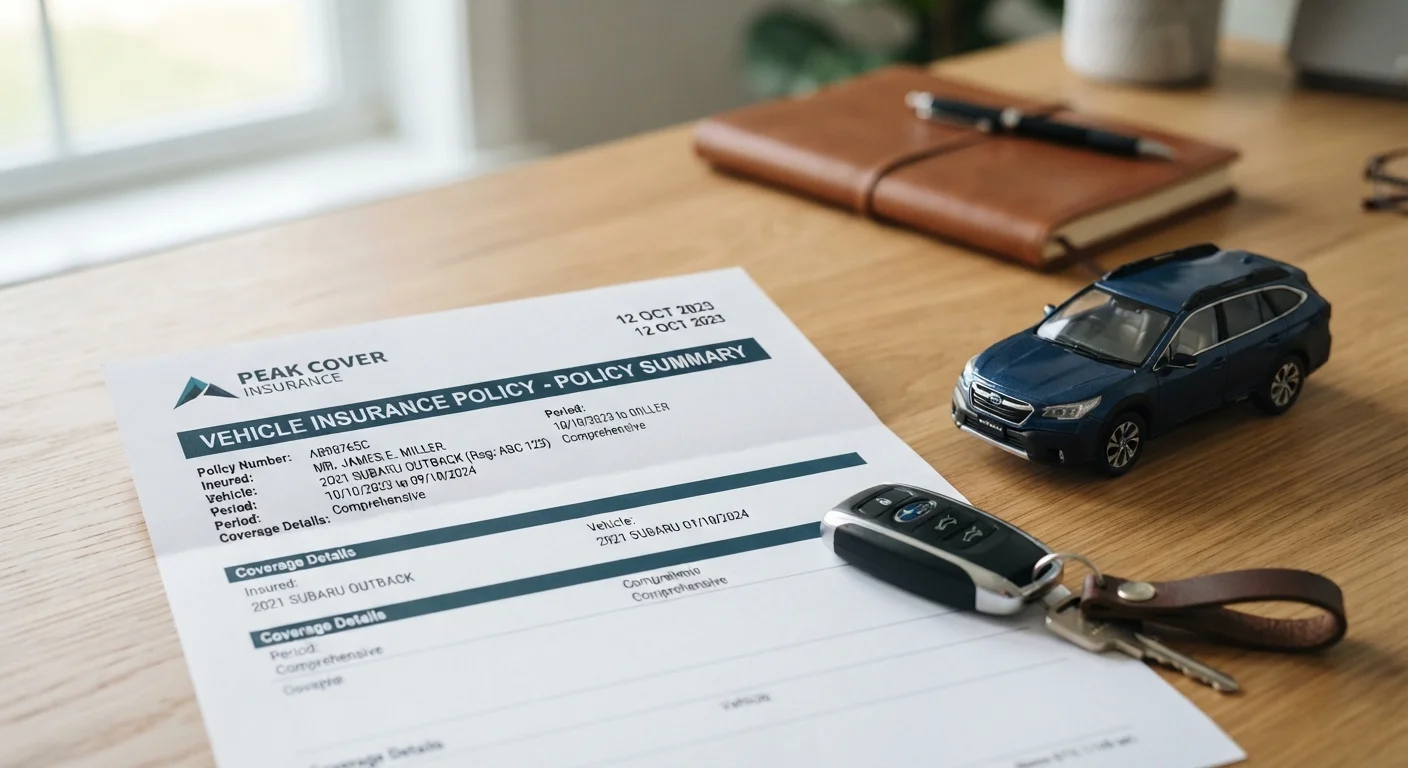
Every state requires a minimum level of auto insurance, though minimums vary considerably. Liability coverage - which pays for damage or injury you cause to others - is universally required. Collision and comprehensive coverage, which protect your own vehicle, are optional in most states but often required by lenders.
When evaluating coverage levels, consider the vehicle's current value. Carrying full coverage on a high-mileage vehicle worth a few thousand dollars may not be financially rational - the premiums could exceed what you'd ever collect in a claim. Reassess your coverage annually as the vehicle ages.
Reassess Coverage as Your Car Ages
Review your insurance policy each renewal period and compare the annual premium for collision and comprehensive coverage against the vehicle's current market value. As a vehicle depreciates, the math on full coverage can shift. A licensed insurance professional can help you evaluate the right balance for your situation.
Routine Maintenance: What to Do and When
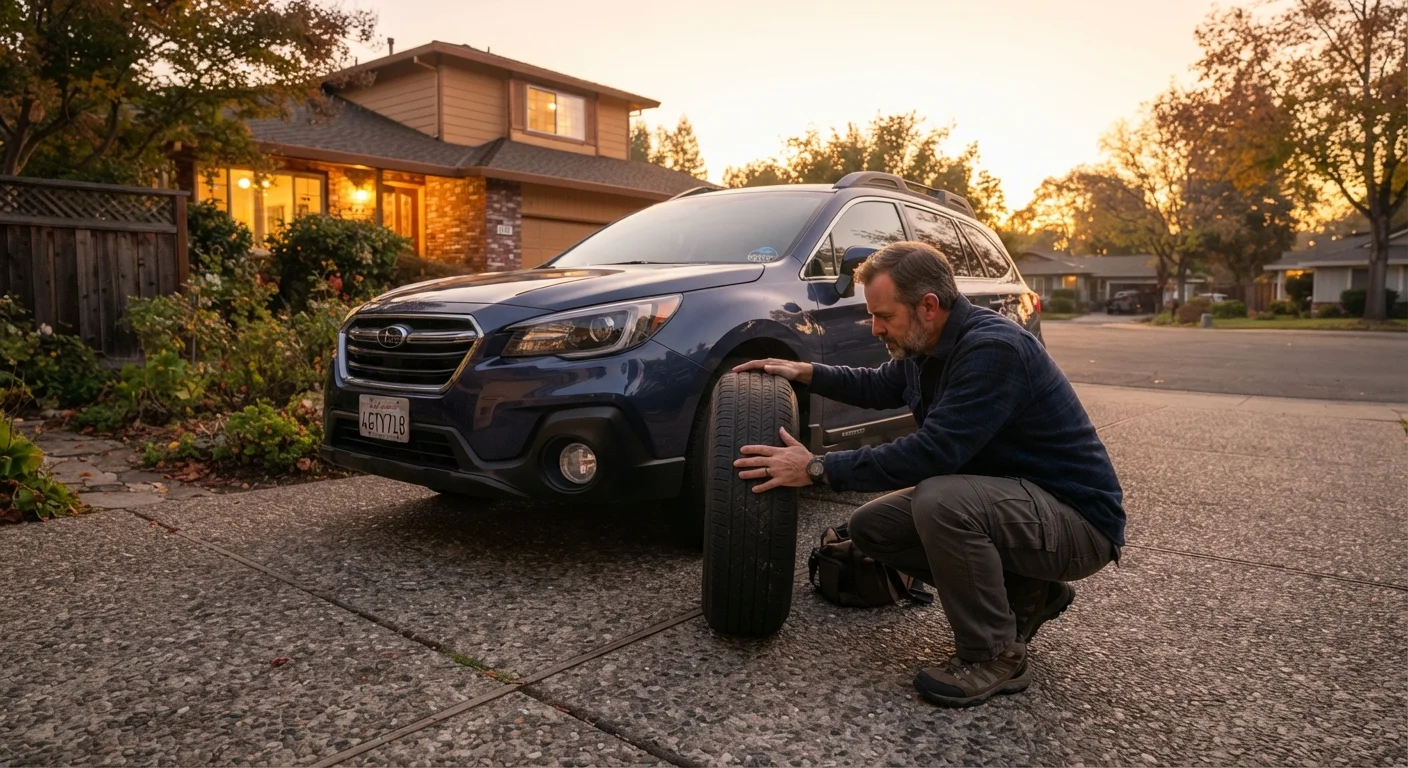
Following the manufacturer's recommended maintenance schedule - found in the owner's manual - is the most reliable way to keep a vehicle running well and protect warranty coverage. Common intervals include oil changes, tire rotations, brake inspections, cabin and engine air filter replacements, and fluid checks.
Skipping or delaying scheduled maintenance can void warranty protections and accelerate mechanical wear. New owners in particular tend to underestimate how quickly these oversights compound. Common first-year ownership mistakes - including ignoring recalls and voiding warranties accidentally - are more avoidable than most drivers realize.
Keep a maintenance log, either in a dedicated notebook or a simple spreadsheet. When it comes time to sell, documented service history is a tangible asset that supports a higher asking price.
Set a recurring calendar reminder tied to your vehicle's mileage intervals - not just the calendar year. Oil change intervals, for instance, are distance-based, and relying on memory alone leads to missed services.
Mileage-based reminders align with how manufacturer service schedules are actually structured, reducing the likelihood of interval drift.
Photograph your vehicle thoroughly - inside and out - at purchase and after every notable repair. Date-stamped photos create a clear condition history that supports your position at trade-in or private sale.
Documented condition history reduces disputes and demonstrates to buyers or dealers that the vehicle was cared for consistently.
Protecting Your Investment Over Time
Beyond scheduled maintenance, a few habits make a measurable difference in long-term vehicle condition. Park in covered or shaded areas when possible to slow paint and interior degradation. Wash and wax regularly to protect the finish from road salt, bird droppings, and UV exposure. Address minor rust spots, paint chips, and small mechanical issues promptly - they tend to worsen and cost more when left unattended.
Check for open recalls periodically. The National Highway Traffic Safety Administration (NHTSA) maintains a public database where any owner can look up recalls by VIN (Vehicle Identification Number). Recall repairs are performed at no cost at authorized dealerships and can address safety-critical issues.
How to Check for Open Recalls
Visit the NHTSA website at nhtsa.gov and enter your 17-character VIN to see any open recalls on your specific vehicle. Recalls are repaired at no cost to the owner at authorized service centers. There is no deadline to have a recall addressed, but unresolved recalls can affect safety and resale value.
When to Sell, Trade In, or Keep Driving
The decision to sell, trade in, or continue driving involves weighing repair costs against the vehicle's remaining value and your transportation needs. A general rule: if upcoming repair costs approach or exceed the vehicle's market value, it's worth evaluating alternatives seriously.
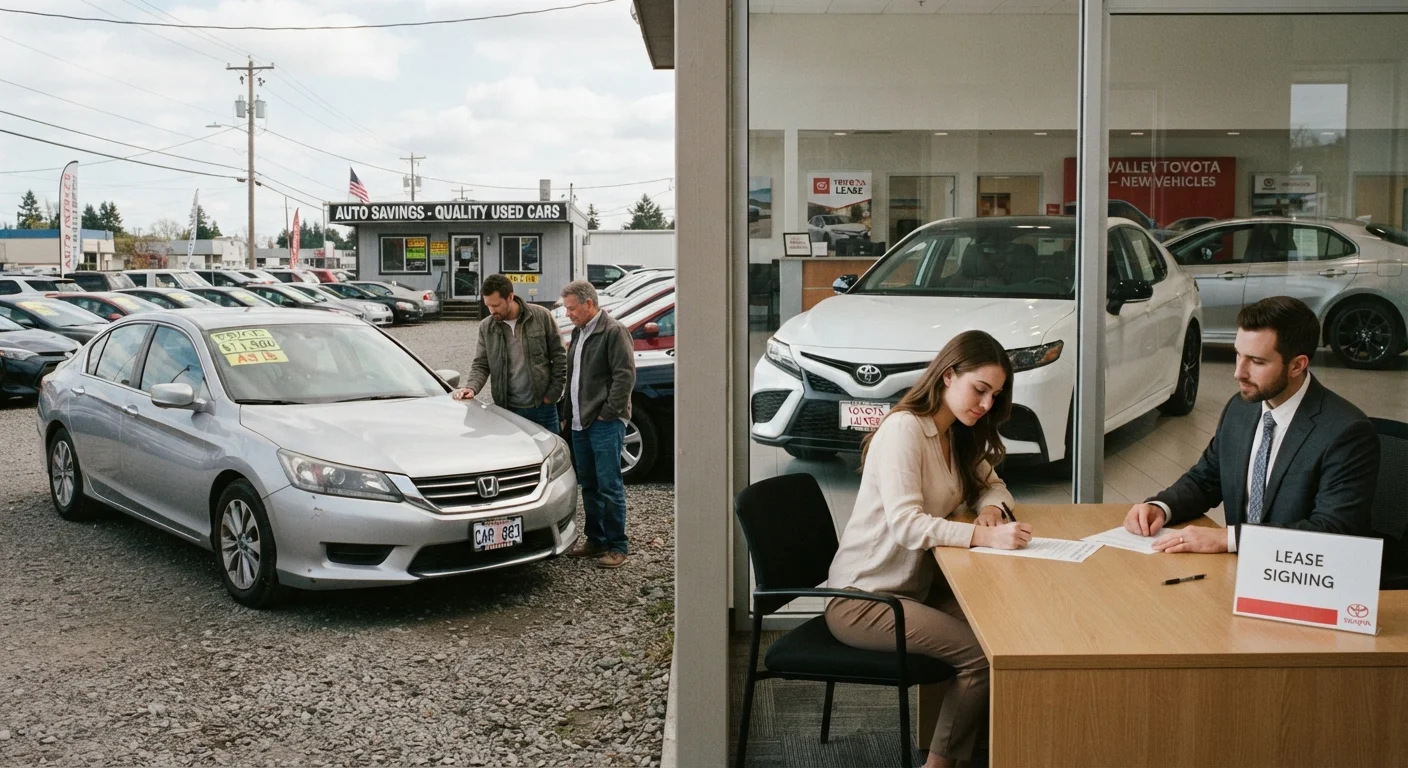
Trade-ins offer convenience - the dealer handles the transaction - but typically yield less than a private sale. Private sales generally return more money but require more time, legal diligence, and buyer vetting. First-time private sellers commonly make avoidable mistakes, from underpricing to skipping the bill of sale.
Whether you sell privately or trade in, gather service records, address any obvious cosmetic issues, and research current market values through multiple sources before settling on an asking price. A well-documented, well-maintained vehicle commands a stronger position in any negotiation.
For broader guidance on the buying and selling landscape, the Buying & Selling Cars hub covers smart strategies for navigating the market on either side of a transaction.