Why Private Sales Go Sideways
Selling a car privately can put significantly more money in your pocket than trading it in at a dealership - but that upside comes with real responsibility. Without a finance manager, title clerk, or sales process guiding each step, the seller must manage pricing, marketing, buyer vetting, payment, and paperwork independently.
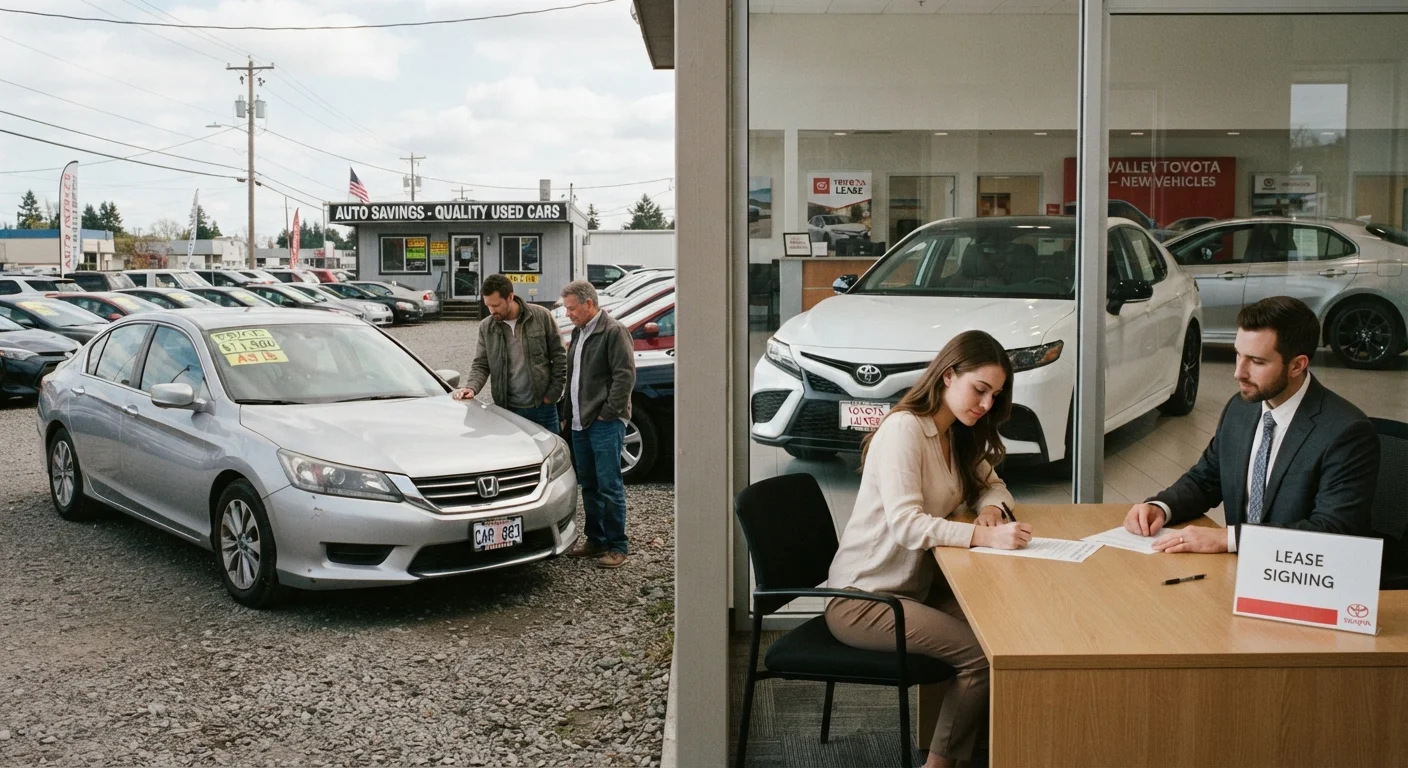
Most first-timers don't fail because the process is complicated. They fail because they don't know which steps carry the most risk. Weighing a private sale against a dealer trade-in requires understanding both the financial upside and the practical demands involved.
Pricing the car based on emotion rather than market data.
Why it happens: Sellers naturally attach personal value to a vehicle they've owned and maintained, leading to asking prices well above what the market will bear.
Listing with low-quality photos and a vague vehicle description.
Why it happens: Sellers underestimate how much buyers rely on photos and written detail to decide whether to even make contact, especially on online platforms.
Skipping the bill of sale or other required transfer documents.
Why it happens: Many first-timers assume the title transfer is the only paperwork that matters and overlook documentation that protects both parties.
Accepting risky or unverified payment methods.
Why it happens: Personal checks and money orders can appear legitimate but be fraudulent. Sellers eager to close a deal may skip verification steps.
Failing to screen buyers before agreeing to test drives.
Why it happens: Sellers want to appear accommodating and may not think through the safety and liability implications of letting strangers drive their vehicle.
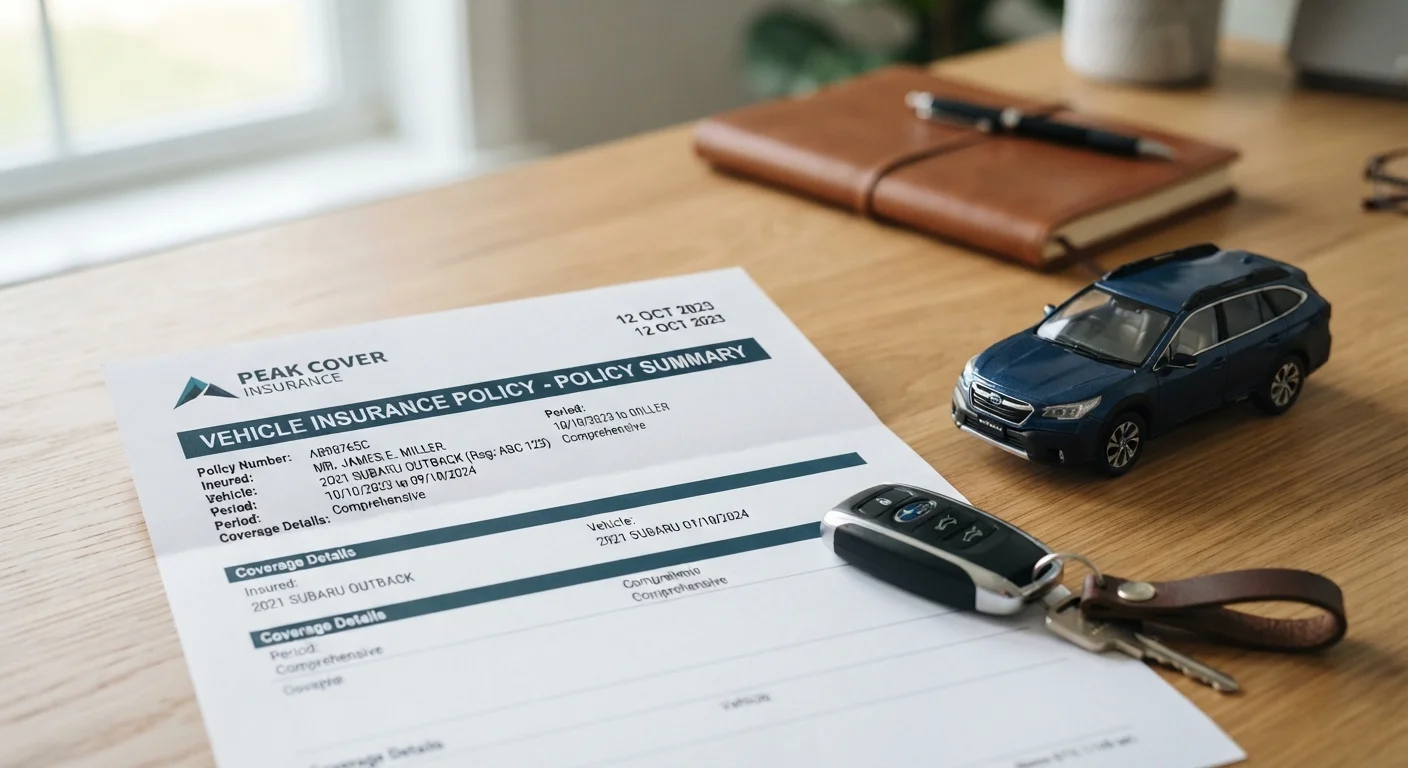
Not canceling insurance or notifying the DMV promptly after the sale.
Why it happens: Sellers assume the title transfer automatically ends their responsibility for the vehicle, which is not always the case.
The Financial and Legal Risks You Can Actually Control
Two categories of mistakes tend to cost private sellers the most: pricing errors that undercut the final sale price, and documentation gaps that create legal exposure afterward.
$1,000-$3,000+
Typical private sale premium over trade-in value
Industry estimates from sources including Kelley Blue Book and Edmunds consistently show private party prices exceeding dealer trade-in offers by a meaningful margin, though the gap varies by vehicle, condition, and market.
Millions
Vehicles sold privately each year in the U.S.
The Federal Trade Commission notes that private vehicle sales represent a substantial share of U.S. used-car transactions annually, making seller awareness of common pitfalls especially important.
Pricing too low is the most prevalent issue. Sellers often default to a round number or what a friend suggested rather than checking what similar vehicles are actually selling for in their region. The gap between an emotional price and a data-driven one can easily run into hundreds of dollars.
The legal side is equally important but less visible. A bill of sale isn't just a formality - it establishes the agreed terms, protects you if the buyer claims the car was misrepresented, and helps demonstrate the vehicle left your possession on a specific date. Most states also require an odometer disclosure statement for vehicles under a certain age. Skipping these documents is a preventable risk.
Never Release the Title Before Payment Clears
Handing over a signed title before receiving verified, cleared funds is one of the most serious mistakes a private seller can make. Once the title is signed and transferred, recovering it - or the car - becomes extremely difficult. Require a cashier's check drawn on a local bank you can verify in person, or a verified wire transfer confirmed by your own bank, before completing any title transfer.
Payment fraud is another financial threat. Counterfeit cashier's checks are a documented and recurring issue in private vehicle sales. The safest approach is to verify any cashier's check at the issuing bank's physical branch before completing the transfer - a step that takes under an hour and can prevent a significant loss.
For broader context on what to expect at each stage, the full lifecycle of a car transaction covers the process from valuation through final paperwork.
Listing, Buyer Contact, and Closing Safely
Once pricing and documents are sorted, the listing itself becomes the primary sales tool. Weak listings - poorly lit photos, minimal detail, no mention of service records - generate low response rates and attract buyers who assume the vehicle has problems the seller is hiding.
Decide where to list based on your vehicle type and timeline. Online marketplaces and local classified ads each have real trade-offs in reach, speed, and buyer quality.
Test Drive Safety Is Your Responsibility
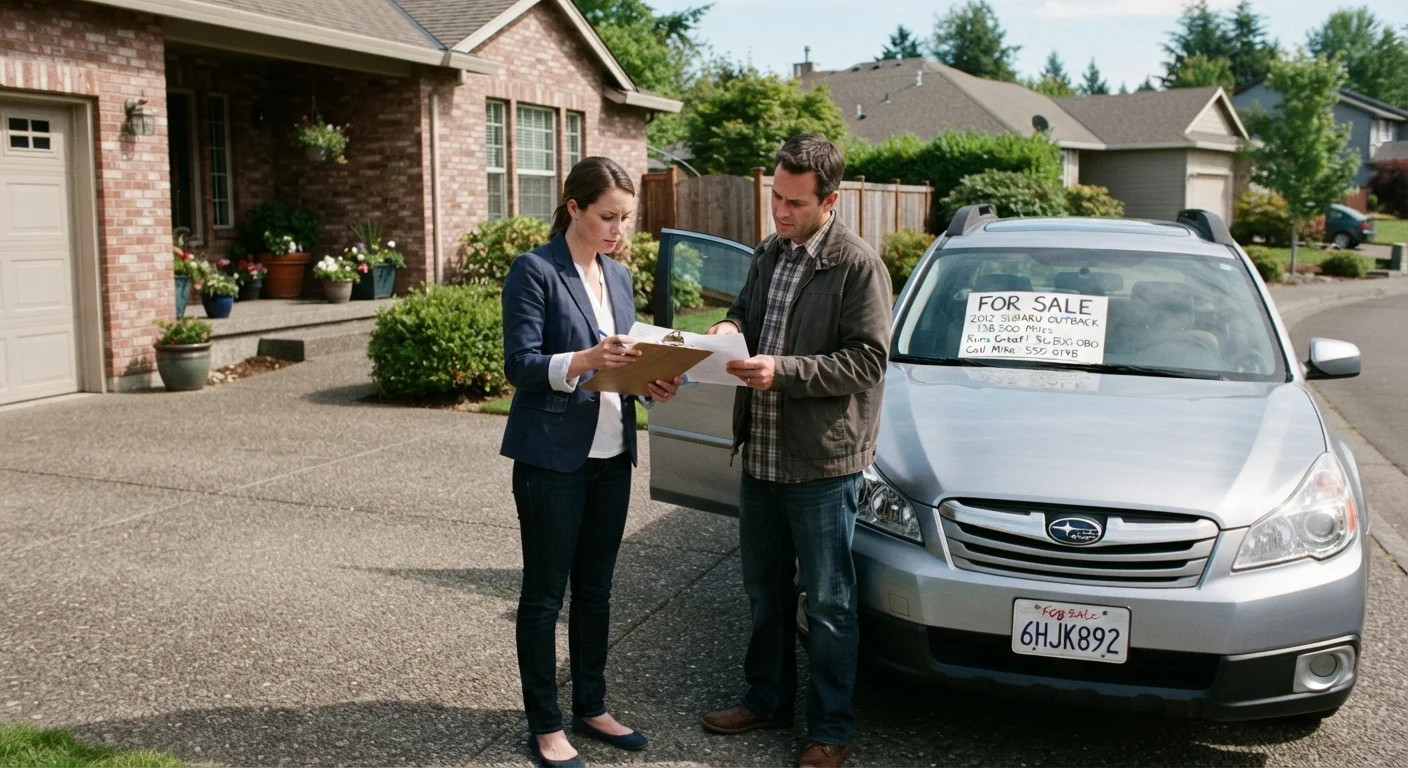
Meeting strangers from online listings involves real personal safety considerations. Always meet in a public, well-lit location during daylight hours, bring a second person if possible, and ask to photograph the buyer's driver's license before allowing any test drive. Inform a trusted contact of the meeting time and location. These precautions are standard practice, not excessive caution.
After the sale is complete, act promptly on the administrative steps. Notify your state DMV of the transfer, retain copies of all signed documents, and update your insurance accordingly. These steps are easy to defer - and create real liability if you do. For anything specific to your state's requirements, the DMV's official website is the authoritative source.