How Each Savings Method Actually Works
At their core, cashback programs and discount coupons are structurally different. Understanding that difference is the first step to using them well.
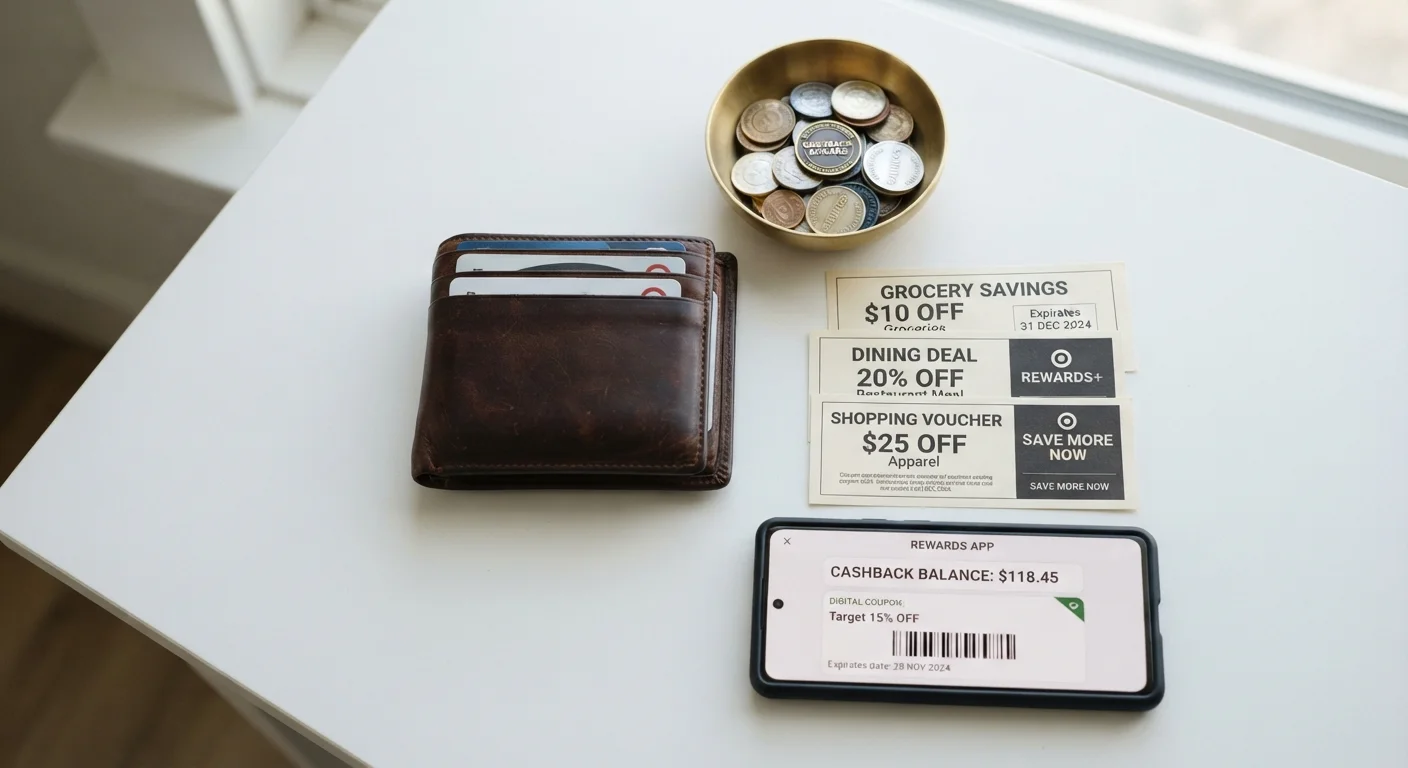
Cashback programs return a percentage of what you spend - typically 1% to 5% - after a transaction is complete. This return usually lands in a rewards account, as a statement credit, or as a direct deposit, depending on the platform or card issuer. The savings aren't visible at checkout; they accumulate over time and are redeemed later. Cashback is common through credit cards, debit-linked reward accounts, and browser-extension-based shopping tools.
Discount coupons, by contrast, reduce the price of a specific item or order before or at the point of purchase. Traditional paper coupons, digital promo codes, and store-app offers all work this way. The saving is immediate and visible - you pay less right now, for that specific product or order. For a deeper look at how digital codes function and where they sometimes fall short, see how digital coupons and promo codes work.
| Criterion | Cashback Programs | Discount Coupons |
|---|---|---|
| When savings are received | After purchase (delayed) | At checkout (immediate) |
| Effort required | Low - largely automatic | High - must find and apply offers |
| Typical savings rate | 1%-5% of spend | Varies widely; can exceed 20% |
| Best suited for | Ongoing routine spending | Planned, specific purchases |
| Risk of overspending | Low - tied to existing spend | Higher - can trigger impulse buys |
| Expiration concerns | Sometimes (varies by program) | Common - often short-lived |
| Combinable with other offers | Often yes, with coupons or sales | Sometimes, depending on retailer rules |
Which One Saves More - and Over What Timeframe?
The honest answer is: it depends on your spending volume, category, and effort level. But some patterns hold up consistently.
Coupons tend to win on single transactions. A 20%-off coupon on a $150 appliance saves $30 instantly. A 3% cashback rate on the same purchase returns $4.50 - eventually. If your goal is saving the most on one planned purchase, a well-timed coupon usually wins outright.
Cashback tends to win over time. If you're spending $2,000 per month across groceries, gas, and household goods - and earning 2% back - that's $480 a year in returns without any active effort. Coupons can match or beat that figure, but only if you're consistently finding and applying them across many purchases, which takes real time and discipline.
$80B+
Annual U.S. coupon savings estimated
Industry estimates suggest American consumers save tens of billions annually through coupon usage, though actual redeemed value varies significantly by household.
~2%
Typical flat-rate cashback on everyday cards
Most flat-rate cashback credit cards offer between 1.5% and 2% back on general purchases, with higher rates available in select categories.
Less than half
Of issued coupons that are actually redeemed
Consumer research consistently finds that a majority of coupons distributed - digital and physical - go unused before expiration.
The most important variable is consistency. Cashback is always on; coupons only deliver when you find and use them. For shoppers who don't have time to hunt for offers, cashback's passive nature is a genuine advantage. For those who already track their grocery lists and plan bigger purchases, coupons provide more targeted, high-value returns. If you're newer to intentional saving, this beginner's guide to how discounts actually work explains the fundamentals clearly.
Hidden Costs and Trade-offs Worth Knowing
Neither tool is without its drawbacks, and promotional framing can obscure the real value of both.
With cashback: Some programs require minimum redemption thresholds before you can access your balance. Credit card cashback may come with annual fees that erode net savings. Rewards can also expire or be forfeited if an account is closed. And cashback rates often vary by spending category - a flat 1.5% card may pay less in groceries than a tiered card optimized for that category. For a related look at how cashback structures compare in travel contexts, see travel credit cards vs. cash-back cards.
With coupons: The most common pitfall is buying something you wouldn't have bought otherwise - meaning the "savings" come with spending you didn't plan. Expiration dates create pressure, and some offers have quiet restrictions (minimum purchase, excluded items, single-use per account) that limit real-world value. Stacking coupons with other promotions is sometimes possible but requires knowing the retailer's rules. Our guide on combining discounts without violating retailer rules walks through how to do this correctly.
Cashback Is General Information, Not Financial Advice
The cashback rates and program structures described here are general examples for educational purposes. Specific card terms, fees, and reward structures vary by issuer and can change. Before choosing a cashback card or rewards program, review the full terms carefully. For guidance specific to your financial situation, consider consulting a qualified financial professional.
Practical Strategy: Getting the Most From Both
The strongest savings approach usually isn't choosing one method - it's knowing when to lean on each, and when to combine them.
A reasonable starting point: use cashback as your default layer across all routine spending (groceries, gas, subscriptions), then layer in coupons when you're making a deliberate, planned purchase where a specific offer is available. This approach avoids the "coupon trap" of impulse buying while still capturing upfront savings when they're genuinely available.
When it comes to larger household or category spending, a broader strategy can help. The Spending by Category hub offers targeted guidance across major expense areas. And for a comprehensive framework that goes beyond any single tactic, The Complete Guide to Finding Genuine Discounts covers the full picture from pricing psychology to sustainable habits.
The bottom line: cashback rewards patience and consistency; coupons reward planning and attention to detail. Both are legitimate tools - and neither should drive you to spend more than you otherwise would. Used with discipline, they complement each other well.