
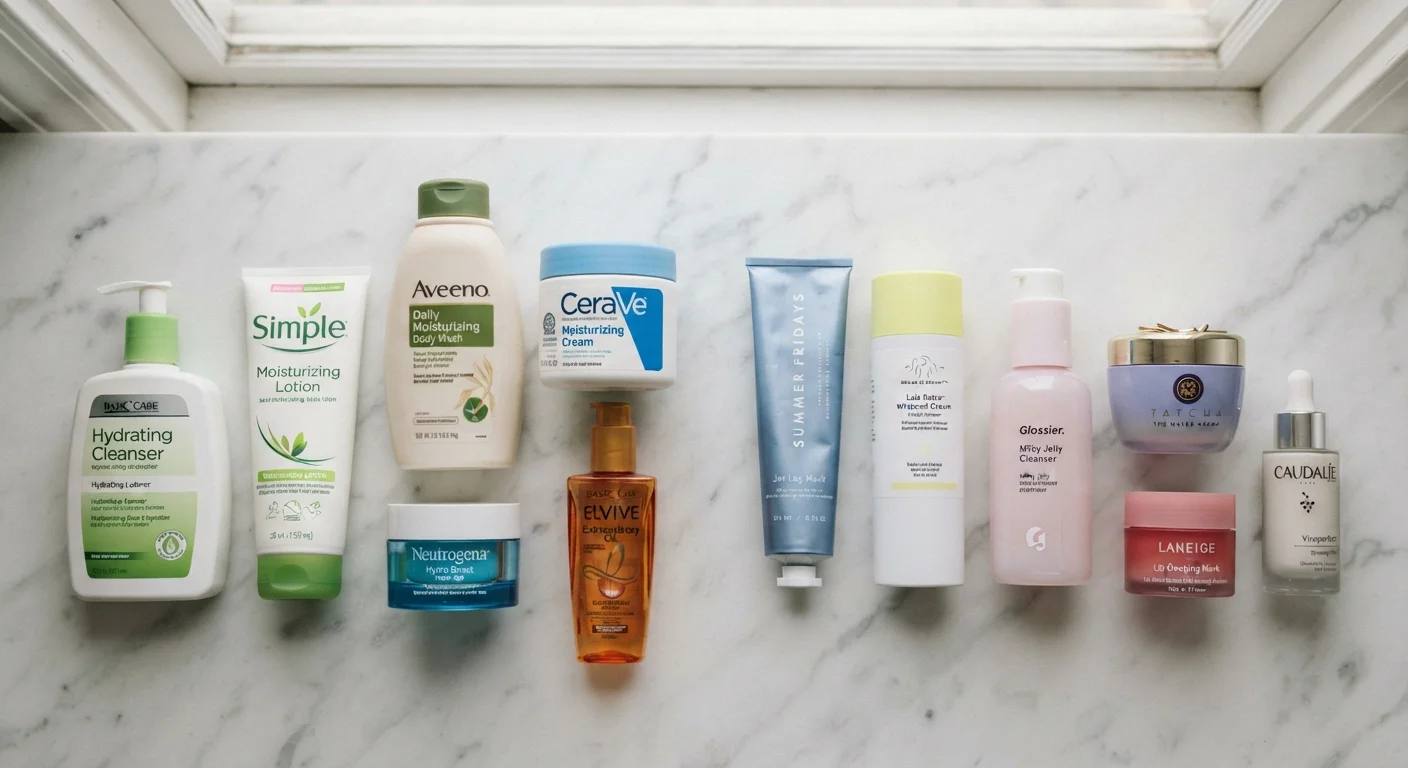
The Price Gap Is Real - and Larger Than Most Shoppers Realize
A bottle of facial moisturizer at the drugstore might run $12. A comparable-looking jar from a prestige brand at a department store could cost $85 or more. That's not a minor markup - it's a price structure built on several distinct layers, each adding cost before the product reaches your hands.
Understanding those layers doesn't mean one tier is always right or wrong. It means you can allocate your personal care spending with more intention. Just as routine small purchases can accumulate into real annual expenses, repeating a high-cost personal care choice without examining its value can quietly strain a household budget over time.
$100B+
U.S. beauty and personal care market size
The U.S. beauty market has been valued at over $100 billion, with prestige beauty growing faster than mass-market in several recent years, according to industry research firm Circana.
~40%
Share of retail price attributed to marketing in some prestige categories
Industry analysts have estimated that in some prestige beauty segments, marketing, advertising, and packaging together can account for roughly 40% or more of a product's retail price.
2-10×
Typical price multiple between drugstore and prestige equivalents
Comparable personal care products in the same category - moisturizers, serums, shampoos - frequently carry a 2x to 10x price difference between mass-market and prestige tiers.
What Actually Goes Into the Price
A personal care product's retail price is built from several components, and formulation is only one of them.
Formulation and Ingredients
Raw material costs vary widely. Some active ingredients - like retinol, hyaluronic acid, or niacinamide - appear at both price tiers, but concentration levels and the delivery systems used to stabilize and transport those ingredients into skin can differ. A more sophisticated emulsion, a patented encapsulation technology, or a higher concentration of a costly botanical will push manufacturing costs up. That said, these differences are not always present or proportional to the price gap.
Packaging
Prestige products routinely invest in heavier glass jars, custom-molded components, and multi-layer packaging that serves a sensory and brand function. Packaging design is a real cost passed on to the consumer, and in some product categories it represents a significant share of the retail price.
Marketing and Brand Equity
Celebrity partnerships, glossy advertising campaigns, editorial placements, and influencer programs are expensive - and those costs are built into the price. A prestige brand may spend substantially more per unit on reaching consumers than on producing the formula itself. Reading past surface-level pricing signals is a useful habit in any category, and beauty is no exception.
Distribution Channel
Selling through department stores and specialty beauty retailers involves margin requirements, staffing for in-store experts, and premium shelf placement - all of which add to the final price. Drugstore products, distributed at mass scale, carry a very different cost structure at the retail level.
Check the Ingredient List, Not the Price Tag
The ingredient list (INCI list) on personal care products is standardized and required by law, making it one of the most reliable ways to compare products across price tiers. If two products share the same key active ingredients in similar positions on the list, the formulation overlap is likely significant. Fragrance, texture agents, and secondary components may still differ - but you'll have a clearer picture of what you're actually paying for.
Where Price and Performance Tend to Diverge
Not all personal care categories behave the same way when it comes to the price-performance relationship.
Sunscreen is tightly regulated by the FDA, meaning active ingredients and their concentrations are standardized. A drugstore SPF 50 and a prestige SPF 50 with the same active ingredients are required to perform to the same protection standard. Here, price differences are largely about elegance of texture, finish, and brand experience - not sun protection.
Cleansers are similarly category-dependent. Because a cleanser is rinsed off quickly, the window for active ingredients to work is short. Many dermatologists note that spending heavily on a cleanser often delivers less value than investing in a leave-on product like a serum or treatment.
Treatment products - serums, retinoids, and targeted treatments - show the most variation. Concentration, formulation stability, and the sophistication of delivery systems can meaningfully differ here, and those differences may be worth the cost for specific skin concerns. Consulting a dermatologist for personalized guidance is advisable before making significant changes to a skincare routine.
“The most expensive product is not always the most effective one. Consumers should focus on the specific ingredients that address their concerns rather than assuming price signals quality.”
— Dr. Ranella Hirsch, Board-certified dermatologist and clinical researcher
Applying Smarter Spending to Your Personal Care Routine
A useful framework is to identify which product categories matter most to your specific goals, and concentrate spending there while opting for simpler formulas where the category doesn't reward complexity. Shopping online for personal care adds another layer of consideration - pricing can vary significantly by channel, and certain online shopping habits can quietly erode any savings you find.
It's also worth recognizing that prestige pricing isn't purely irrational. Sensory experience, texture, scent, and the ritual of using a well-designed product are real and legitimate values for many consumers. The point isn't to dismiss those preferences - it's to recognize them as preferences, not performance guarantees.
Price Variation by Retailer and Channel
The same prestige product can carry different prices depending on where it's sold - department stores, specialty beauty retailers, brand websites, and online marketplaces may all price the same SKU differently. Pricing in beauty, as in other categories, follows patterns that attentive shoppers can learn to navigate. Checking multiple channels before purchasing a higher-cost item is a straightforward habit that requires no special knowledge.
This article is for general informational purposes only and does not constitute medical, dermatological, or financial advice. For guidance specific to your skin concerns or health needs, consult a qualified healthcare professional.