Neighborhoods Worth Knowing
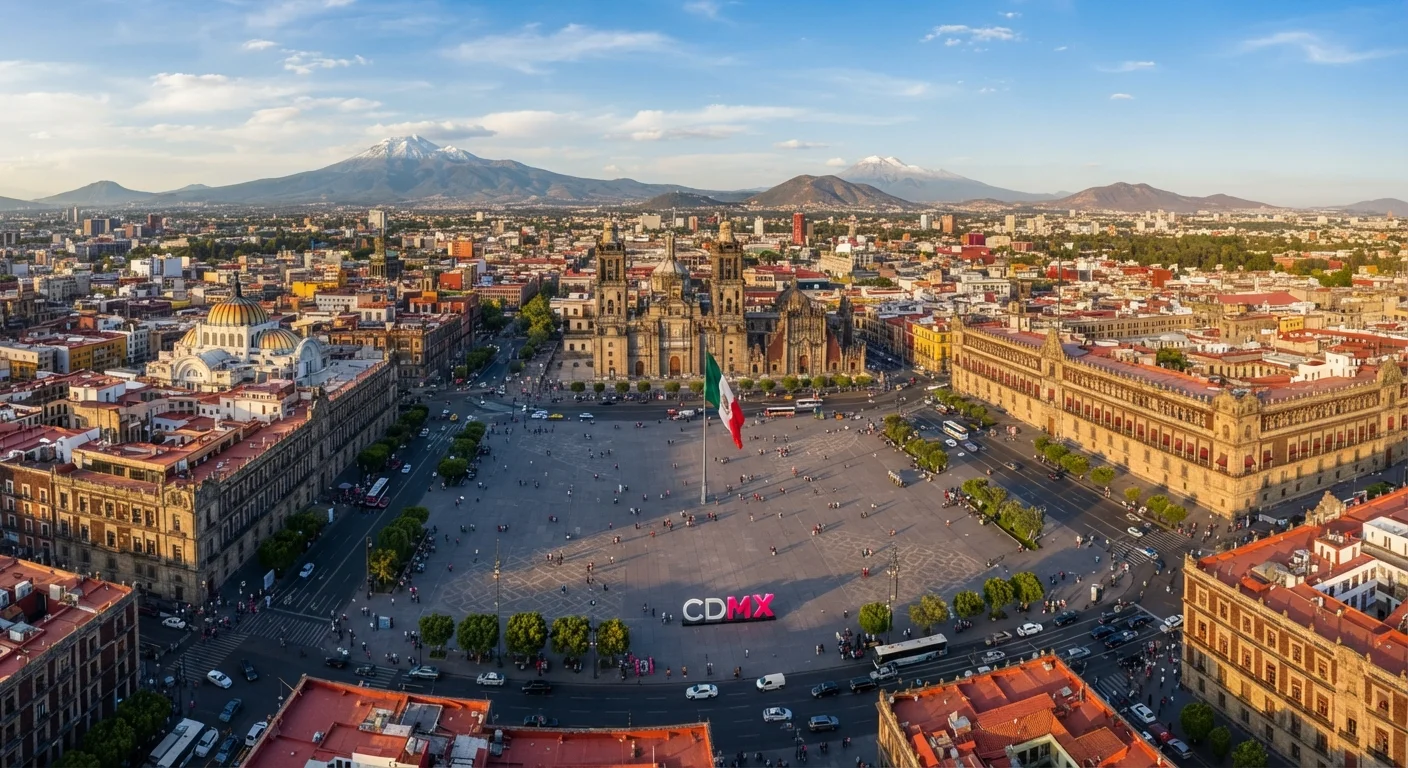
Mexico City (CDMX) spans 573 square miles and 16 boroughs, but most visitors orient themselves around a handful of colonias (neighborhoods). Understanding where to base yourself shapes the entire trip.
Roma and Condesa are the neighborhoods most commonly cited by first-time visitors. Tree-lined boulevards, Art Deco architecture, coffee shops, and a dense restaurant scene define both. They sit next to each other and are walkable between them. Accommodation here runs a wide range, and the area is well-served by Uber and Metro.
Polanco sits north of Chapultepec park and skews upscale - luxury hotels, international dining, and Museo Soumaya (a striking free museum housing one of Mexico's largest art collections). It's calm, clean, and can feel a bit removed from everyday city life.
Centro Histórico is the historic core - the Zócalo, Palacio Nacional, Templo Mayor, and the Palacio de Bellas Artes all sit within walking distance of each other. It's congested and loud during the day but offers the densest concentration of history per block anywhere in the city. It's best experienced as a daytime destination rather than a base.
Coyoacán, farther south, moves at a slower pace. The neighborhood surrounding the Frida Kahlo Museum has cobblestone streets, weekend markets, and a more local feel. Plan at least a half-day here.
Base Yourself Strategically
For a first visit, Roma Norte or Condesa offer the best combination of walkability, restaurant access, and transport links. Staying here lets you walk to many dining and nightlife options while remaining a short Metro or Uber ride from major sights. If budget is a priority, consider nearby Doctores or Narvarte - both are safe, well-connected, and often significantly less expensive.
Getting Around the City
The Metro system covers 12 lines, connects most major areas, and costs roughly 5 pesos per ride (a fraction of a US dollar). It gets crowded during rush hours (7-9 a.m. and 6-8 p.m.), and pickpocketing in packed cars is a known issue - use a front bag or keep your phone out of easy reach. Women-only cars are available at the front of the train on every line.
Uber operates extensively throughout the city and is generally considered reliable and trackable. App-based rides are preferable to hailing taxis off the street for unfamiliar visitors, as metered or registered radio taxis from sitios (taxi stands) are alternatives if you prefer non-app options.
Ecobici, the city's bike-share program, works well in Roma, Condesa, and Polanco, where bike lanes exist. Traffic in broader CDMX is famously heavy; avoid driving if you don't have a strong reason to.
12 lines
Mexico City Metro network size
The CDMX Metro covers over 140 miles of track and serves roughly 4-5 million riders on weekdays, making it one of the largest systems in the Americas.
7,350 ft
Mexico City elevation above sea level
CDMX's high altitude is higher than Denver, Colorado, and can noticeably affect first-time visitors during their initial 24-48 hours.
~$5 USD
Typical comida corrida lunch cost
Fixed-menu lunch offerings at local restaurants throughout the city provide a full cooked meal at a fraction of tourist-facing restaurant prices.
Food Culture and Where to Eat
Mexico City's food culture is genuinely one of the world's great urban eating experiences. The range runs from tacos de canasta (basket tacos carried by street vendors) costing a few pesos each to multi-course tasting menus at internationally recognized restaurants.
Street food fundamentals: Look for stalls with consistent foot traffic and visible turnover of food. Tacos al pastor (spit-roasted pork), tamales sold from large pots in the morning, and tlayudas are reliable and widely available. Mercado de Jamaica (flowers and food) and Mercado de Medellín (international and local staples) are worth visits for market eating.
Sit-down dining: Comida corrida - a fixed lunch menu offered at small restaurants throughout the city - is one of the most practical ways to eat a full, freshly cooked meal for under $5 USD. Lunch (comida) is the main meal of the day, typically served 2-4 p.m.
Eat your largest meal at lunch, not dinner - restaurants serving comida corrida only offer it midday, and it's where you'll find the most value and the most authentically local dining experience.
Mexican meal culture centers on comida (lunch) as the main event; dinner is lighter. Travelers who reverse this pattern pay more and often miss the best food.
Download offline maps for your specific neighborhoods before arrival - cell service inside the Metro is unreliable, and knowing your surroundings without data saves real stress.
Data connectivity varies widely underground and in older parts of the city; an offline map cache is one of the simplest and most useful preparations any CDMX visitor can make.
For travelers planning the broader financial side of a trip, the Budget Traveler's Playbook covers how to build a realistic daily spending estimate.
Safety: Honest Context
Mexico City carries an outsized reputation for danger that doesn't fully reflect the experience of most visitors in its central neighborhoods - but dismissing safety considerations entirely would be irresponsible.
Check Official Travel Advisories Before You Go
The U.S. State Department maintains borough-specific risk ratings for Mexico City that are more nuanced than city-wide headlines suggest. Reviewing the current advisory at travel.state.gov before booking gives you an accurate, up-to-date picture. Risk levels in CDMX vary considerably by area - the same city that draws millions of tourists annually also has boroughs with elevated crime rates that most visitors never enter.
Practical habits that reduce risk: use app-based rides after dark rather than walking long distances in unfamiliar areas; don't use your phone openly while walking; carry only what you need for the day; and be aware in ATM vestibules. Express kidnapping (where victims are briefly taken to withdraw ATM cash) has been reported, particularly in taxis hailed from the street - this is why app-based rides with a traceable record are generally recommended by travel safety resources.
Petty theft - phone grabs, pickpocketing in Metro cars and crowded markets - is the most common issue visitors encounter. It's manageable with basic awareness. The U.S. State Department issues travel advisories that distinguish risk levels by specific borough; reviewing the current advisory before your trip is worthwhile.
Always verify current conditions through official government sources before traveling. Conditions change, and no article can substitute for up-to-date official guidance.
Day Trips from Mexico City
CDMX's location makes it a natural hub for day excursions. These three destinations require no flights and are reachable by public transport or organized transport.
Teotihuacán: The pre-Columbian pyramid complex sits about 30 miles northeast of the city. Buses depart from Terminal Central del Norte regularly throughout the morning. Arrive early - by 8 or 9 a.m. - before midday heat and crowds peak. Wear sun protection and bring water; the site is fully exposed.
Xochimilco: This network of ancient canals in southern CDMX is a UNESCO World Heritage Site. Trajineras (flat-bottomed boats) can be rented by the hour, and vendors paddle alongside selling food and drinks. It's best experienced on weekend mornings when it's busiest and most vibrant. Reachable via Metro Line 2 to Tasqueña, then light rail.
Puebla: About two hours by bus (ADO operates frequent, comfortable service from TAPO bus terminal), Puebla offers colonial architecture, Talavera tilework, and its own distinct culinary tradition - it's the origin of mole poblano and chiles en nogada. A full day is sufficient for a first visit.
For a structured approach to fitting day trips into a broader itinerary, see how to map out your trip phases.
Planning and Logistics
Altitude: Mexico City sits at approximately 7,350 feet above sea level. Some visitors experience mild symptoms - headache, shortness of breath, fatigue - during the first 24-48 hours. Staying hydrated, limiting alcohol initially, and avoiding strenuous activity on arrival day helps. If you have cardiovascular or respiratory conditions, consult a healthcare provider before traveling.
Best time to visit: March through May (dry season, warm) and October through November (post-rainy season, pleasant temperatures) are generally considered comfortable windows. June through September brings daily afternoon rains, usually brief. December brings holiday crowds and cooler evenings.
Visa and entry: U.S. citizens do not currently require a visa for tourist visits of up to 180 days, but you should verify current entry requirements with official U.S. and Mexican government sources before booking - policies can change.
Currency: The Mexican peso (MXN) is the local currency. Many establishments in tourist-oriented areas accept U.S. dollars, but you'll get better value paying in pesos. Withdraw pesos from ATMs at banks during daytime hours.
For accommodation strategies beyond standard hotels - useful given CDMX's wide range of lodging options - reducing accommodation costs is worth reviewing before you book. First-time international travelers may also find this ground-up trip planning walkthrough useful for structuring the full planning process.