What 'Certified Pre-Owned' Actually Means
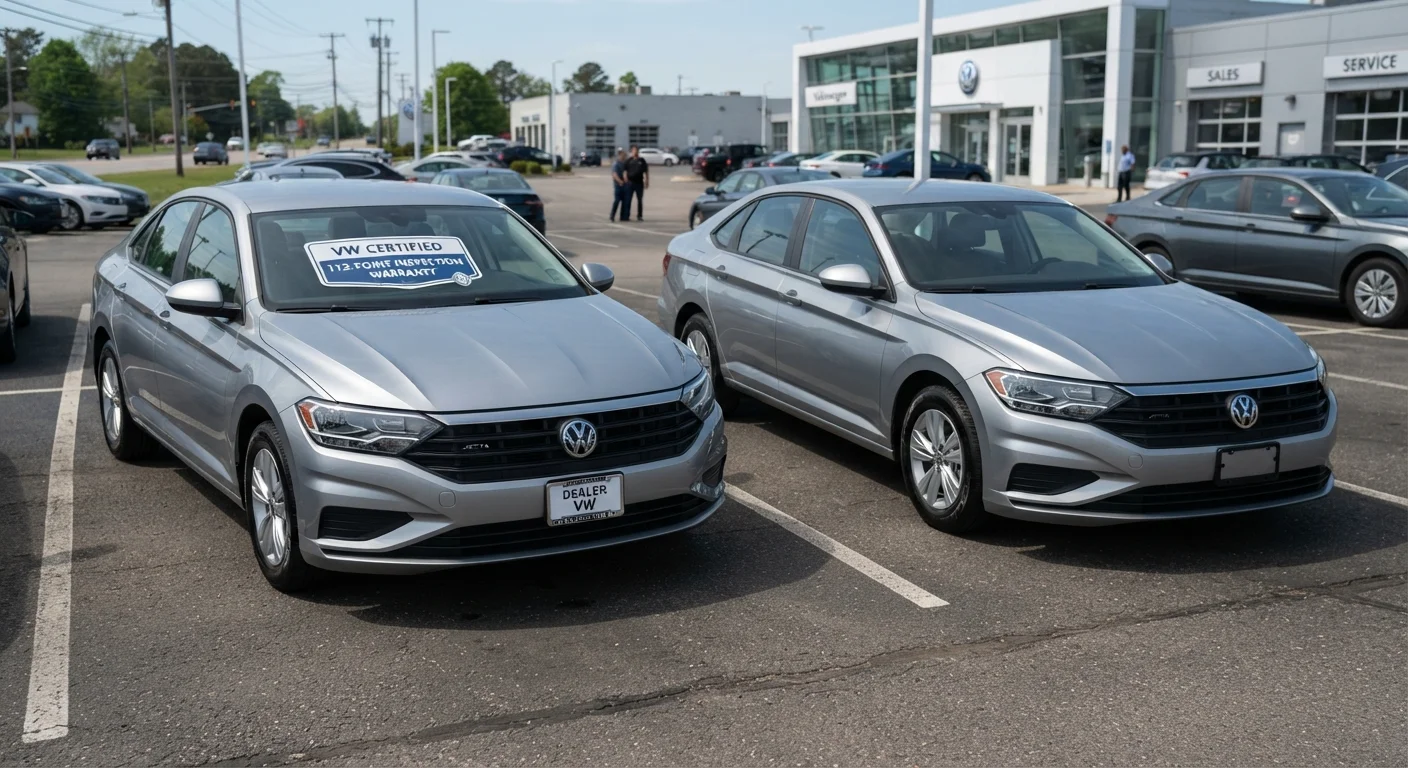
The term Certified Pre-Owned (CPO) is not a universal standard. Each automaker designs its own CPO program, sets its own inspection checklist, and determines its own warranty terms. A vehicle carrying a CPO badge from one manufacturer may receive a 172-point inspection and a 7-year powertrain warranty, while another brand's CPO program may require fewer inspection points and offer a shorter coverage window.
What CPO programs do share across the board is a documented multi-point inspection performed by a franchised dealer, a vehicle history report requirement (typically through a service such as Carfax or AutoCheck), and some level of remaining or added manufacturer warranty. Eligibility is generally limited by vehicle age - often five to seven years - and mileage, usually capped below 80,000 miles, though these thresholds vary.
Importantly, CPO programs are administered through franchised dealerships, not independent used car lots. A used car sold at an independent dealer cannot carry a factory CPO designation, even if the dealer markets it with similar language. Buyers should verify the source before placing weight on any certification claim.
For context on how CPO fits into the broader ownership journey, see the complete roadmap to vehicle ownership.
| Criterion | Certified Pre-Owned (CPO) | Standard Used Vehicle |
|---|---|---|
| Inspection requirement | Multi-point inspection, manufacturer-defined | None required; buyer-arranged only |
| Warranty coverage | Manufacturer-backed (varies by brand) | None, unless separately purchased |
| Vehicle history report | Required by program | Buyer must obtain independently |
| Age/mileage eligibility | Strict caps (typically ≤7 yrs, ≤80K mi) | No restrictions |
| Where sold | Franchised dealerships only | Dealers, private sellers, auctions |
| Typical price vs. market | Premium above non-certified | Market or below, more negotiable |
| Financing incentives | Often available from manufacturer | Standard lender rates apply |
| Roadside assistance | Included in many programs | Not included; must be sourced separately |
Standard Used Vehicles: Lower Cost, Higher Variability
A standard used vehicle carries no manufacturer-backed inspection or warranty guarantee. The vehicle's condition and history depend entirely on what the seller discloses and what the buyer independently verifies. This is not inherently a problem - many standard used vehicles are well-maintained, low-mileage, and represent strong value - but the burden of due diligence falls squarely on the buyer.
Buyers considering standard used vehicles should, at minimum, obtain a third-party vehicle history report and arrange a pre-purchase inspection by an independent, ASE-certified mechanic before completing the transaction. An independent inspection typically costs between $100 and $200 and can surface mechanical issues that aren't visible during a test drive.
$1,000-$3,500
Typical CPO price premium over comparable used
Industry analysts and consumer automotive research groups estimate the CPO premium in this range depending on vehicle segment, age, and program terms.
~$150
Average cost of independent pre-purchase inspection
Independent mechanic inspections generally range from $100-$200 at an ASE-certified shop, according to consumer automotive cost guides.
Varies 3-10 years
Age eligibility window across CPO programs
Manufacturer CPO program eligibility cutoffs differ significantly; buyers should verify the specific terms for their target vehicle's brand.
Standard used vehicles also offer significantly broader selection. Because there are no age or mileage restrictions, buyers can access older models, higher-mileage vehicles, private-party listings, and vehicles from non-franchised dealers - categories that CPO programs entirely exclude.
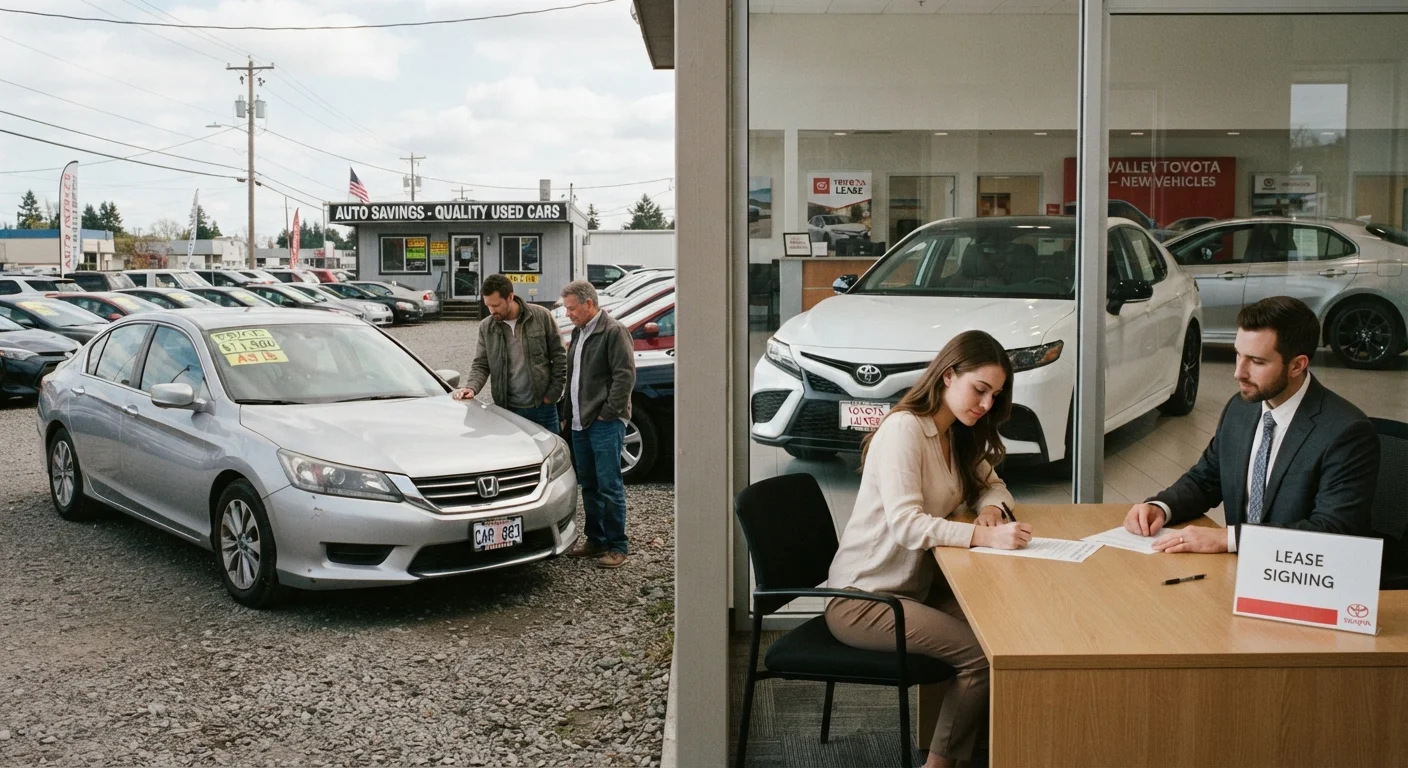
If you're weighing whether a used purchase or a lease makes more sense for your situation, the comparison of buying used vs. leasing new covers the key trade-offs in depth.
The CPO Price Premium: What You're Paying For
CPO vehicles reliably cost more than comparable non-certified used vehicles - often several hundred to a few thousand dollars more, depending on the make, model, and age. That premium buys a defined set of benefits: documented inspection, warranty coverage, and in many cases, added perks such as roadside assistance, loaner car provisions, or trial subscriptions to telematics services.
Whether that premium represents good value depends on the specific program's coverage terms and the buyer's risk tolerance. A CPO vehicle with a strong powertrain warranty on a model with a track record of reliability represents different value than the same price premium on a vehicle known for costly repairs.
Read the Warranty Document Directly
Warranty summaries provided verbally or in sales materials may omit key exclusions. Manufacturer CPO warranties typically distinguish between powertrain coverage and comprehensive coverage - and the gap between them can be substantial. Ask for the full warranty booklet before signing, and note the deductible amount, if any, required per service visit.
It also matters what the warranty actually covers. Most CPO programs include a powertrain warranty - engine, transmission, drivetrain - but comprehensive bumper-to-bumper coverage is less universal. Buyers should read the warranty documentation directly, not rely on a sales summary, before treating coverage assumptions as guaranteed.
For buyers considering additional protection beyond whatever the CPO program provides, the extended warranties guide for used cars provides a framework for evaluating add-on coverage. And if a dealer pitches extras at signing, the guide to dealer add-ons can help you sort what's worth considering.
Making the Decision: Questions Worth Asking First
Before deciding between a CPO and standard used vehicle, it helps to answer a few grounding questions. First, does the vehicle you're considering even qualify for CPO status? If it's older than the program allows or has more mileage, the question resolves itself. Second, what does the specific manufacturer's CPO warranty actually cover - and for how long? Get the documentation in writing.
Third, what is the price differential between a CPO version and a comparable non-certified vehicle of the same year, trim, and mileage? If the gap is significant, consider whether the warranty terms justify it or whether that money applied toward an extended service contract on a non-CPO vehicle might achieve similar protection at lower cost.
Finally, regardless of CPO status, understanding the full transaction process - from valuation through final paperwork - will reduce the likelihood of surprises at any point in the purchase.
Neither path is universally superior. CPO provides structure and backstop coverage that standard used purchases lack. Standard used vehicles provide cost efficiency and flexibility that CPO programs cannot match. The right choice depends on the specific vehicle, program terms, your budget, and how much uncertainty you're willing to carry into ownership.
This article is for general informational and educational purposes only. Vehicle pricing, warranty terms, and CPO program requirements vary by manufacturer and are subject to change. Always review program documentation directly with a franchised dealer and consult qualified professionals before making any vehicle purchase decision.