Why Car Maintenance Myths Persist
A lot of car care advice circulating today was accurate decades ago - before fuel injection, synthetic motor oils, and sophisticated engine management systems became standard. Mechanics and manufacturers have updated their guidance, but the old beliefs stuck around in conversations, quick-lube shop waiting rooms, and family hand-me-down wisdom.
The problem isn't just inconvenience. Acting on outdated maintenance myths means spending money you don't need to spend, and occasionally skipping care that actually matters. The fundamentals of car upkeep aren't complicated once you strip away the folklore.
Myth
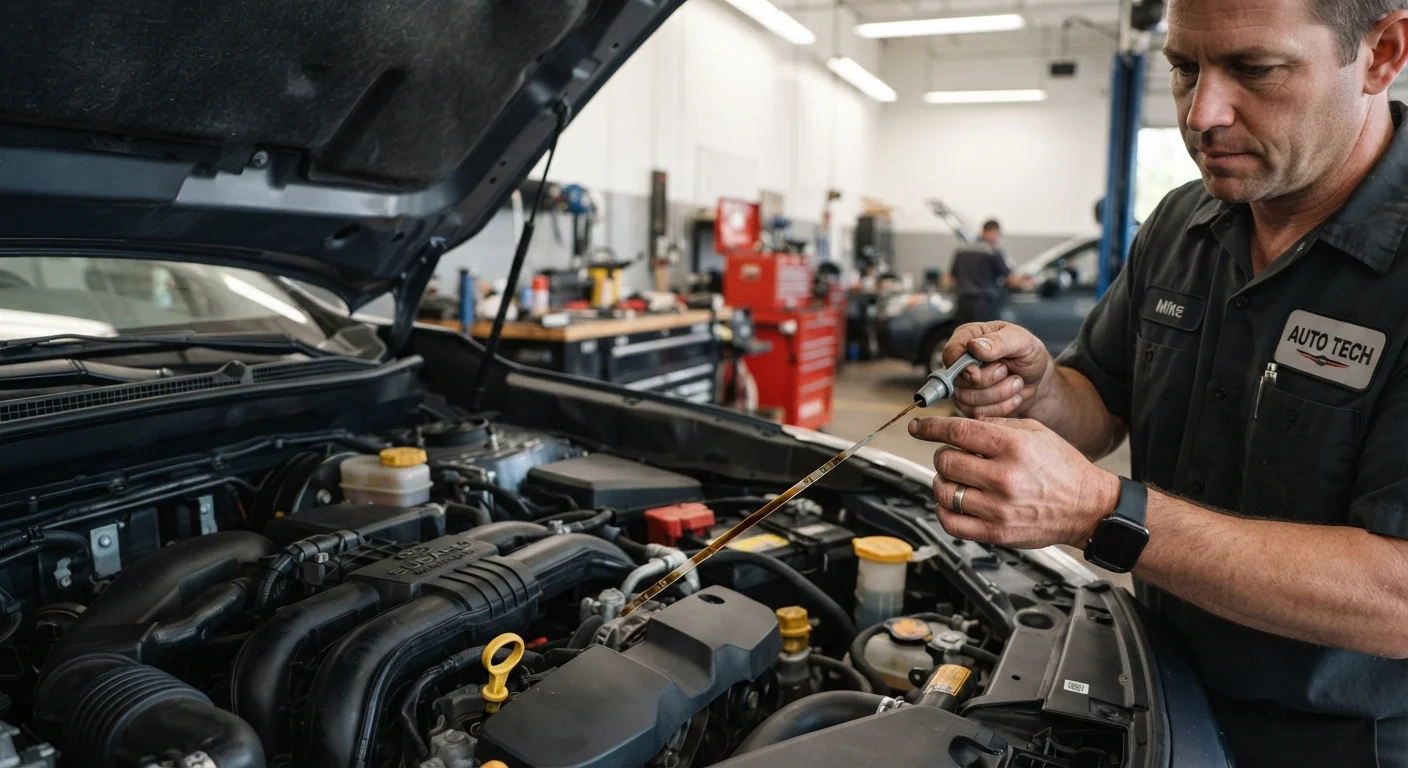
You must change your oil every 3,000 miles, no exceptions.
Fact
Most modern vehicles with conventional oil can go 5,000-7,500 miles between changes; many using full synthetic oil can safely go 10,000-15,000 miles, per manufacturer specifications.
The 3,000-mile guideline was a reasonable rule of thumb for older engines running conventional oil under harder conditions. Today's engine tolerances are tighter, oil formulations are far more advanced, and on-board oil life monitoring systems take the guesswork out entirely. Changing oil more frequently than your vehicle requires wastes money and generates unnecessary waste oil - with no mechanical benefit. Check your owner's manual or the vehicle's oil life monitor for the interval that actually applies to your car.
Myth
You should let your car idle for several minutes in cold weather before driving.
Fact
Modern fuel-injected engines reach safe operating temperature faster by being driven gently than by sitting idle - extended idling can actually increase engine wear.
Carbureted engines of the past genuinely needed warm-up time because cold fuel didn't vaporize well. Fuel injection systems solved that problem decades ago. When a cold engine idles, the fuel mixture runs richer than normal, which can wash lubricating oil off cylinder walls and cause premature wear. The correct approach: start the engine, allow 30-60 seconds for oil to circulate, then drive gently for the first few minutes. That gets the engine to operating temperature faster while minimizing component stress. Extended idling also wastes fuel and, depending on local laws, may be a fineable offense in some jurisdictions.
Myth
Premium fuel makes any engine run better and last longer.
Fact
Premium fuel benefits only engines specifically designed or required to use it - in standard engines, it offers no performance or longevity advantage.
Premium fuel has a higher octane rating, which resists "knock" (premature detonation) in high-compression or turbocharged engines. If your owner's manual says "premium recommended" or "premium required," that's meaningful guidance. If it specifies regular unleaded, paying more for premium delivers nothing measurable - your engine's computer isn't calibrated to take advantage of it. The only reliable guide is, again, the owner's manual. Don't take advice from fuel pump marketing language alone.
Myth
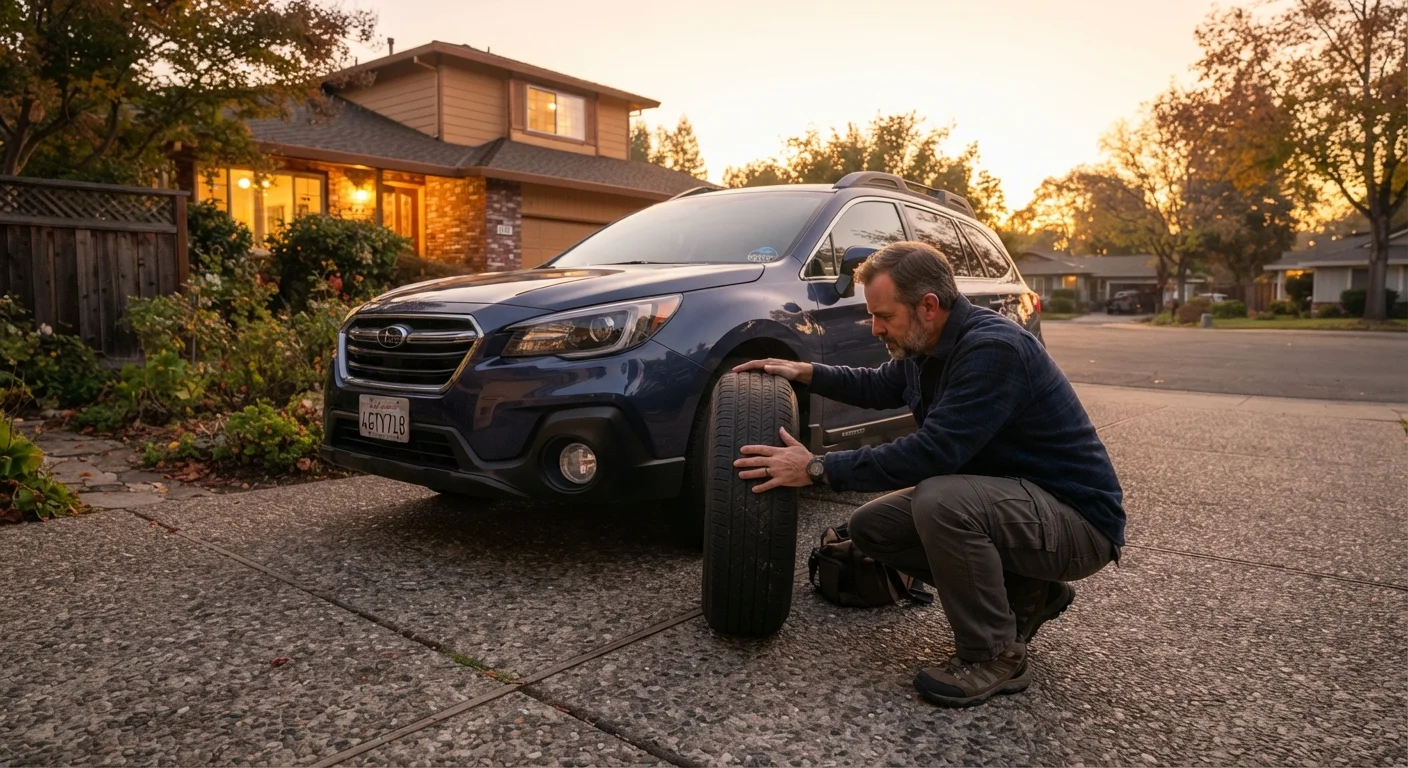
You need to replace all four tires at once, every time.
Fact
While replacing tires in pairs or sets is generally advisable for handling and traction consistency, the right approach depends on your vehicle type, drivetrain, and tire wear pattern.
All-wheel-drive vehicles are the most sensitive to mismatched tire diameters, and many manufacturers do recommend replacing all four tires together on AWD systems to avoid damage to the drivetrain. For front-wheel-drive and rear-wheel-drive vehicles, replacing in pairs - keeping matched tires on the same axle - is typically sufficient. Always consult your vehicle's owner's manual and, if uncertain, a qualified tire technician who can measure tread depth across all four positions before recommending a course of action.
Myth
Brake fluid never needs to be replaced unless something breaks.
Fact
Brake fluid is hygroscopic - it absorbs moisture from the air over time - which lowers its boiling point and can compromise braking performance. Most manufacturers recommend replacement every two to three years.
As brake fluid absorbs moisture, its boiling point drops. Under hard braking conditions, degraded fluid can vaporize, creating air bubbles in the brake lines - a condition called vapor lock - which causes a spongy pedal and reduced stopping power. This is a safety-relevant issue, not merely a wear-and-tear item. Replacement intervals vary by manufacturer, so check your owner's manual rather than waiting for a brake problem to surface.
What the Evidence Actually Says
The most reliable source for your specific vehicle's maintenance schedule isn't a quick-lube sign or a well-meaning neighbor - it's the owner's manual in your glove box. Automakers engineer maintenance intervals around real-world testing. Deviating from those intervals, either by doing service too frequently or not frequently enough, carries real consequences.
5,000-10,000 mi
Typical modern oil change interval
Many automakers now specify oil change intervals of 5,000 to 10,000 miles or more for vehicles using synthetic oil, according to manufacturer maintenance schedules.
30-60 sec
Recommended cold-start idle before driving
Automotive engineers generally advise allowing about 30 to 60 seconds for oil to circulate after a cold start, then driving gently - not idling for minutes.
New owners are especially vulnerable to these myths. Common missteps in the first year of ownership - including unnecessary services and misunderstood warranty terms - are covered in detail in our piece on what new car owners frequently get wrong. And if you're also sorting through misleading advice from the buying process, car-buying myths follow the same pattern of folklore outpacing reality.
Service Intervals From the Shop May Not Match Your Manual
Some quick-lube and dealership service reminders are set to more frequent intervals than your manufacturer requires - which can mean paying for services you don't yet need. Always cross-reference any recommended service against your owner's manual before approving work. A trustworthy shop will support this approach, not discourage it.
Fuel efficiency is another area tangled in misconceptions. Habits like idling to warm up or running premium fuel in a standard engine affect your wallet at the pump as well. For evidence-backed driving practices that genuinely move the needle on fuel economy, see fuel efficiency behind the wheel.