Why Home Maintenance Spending Deserves Its Own Category
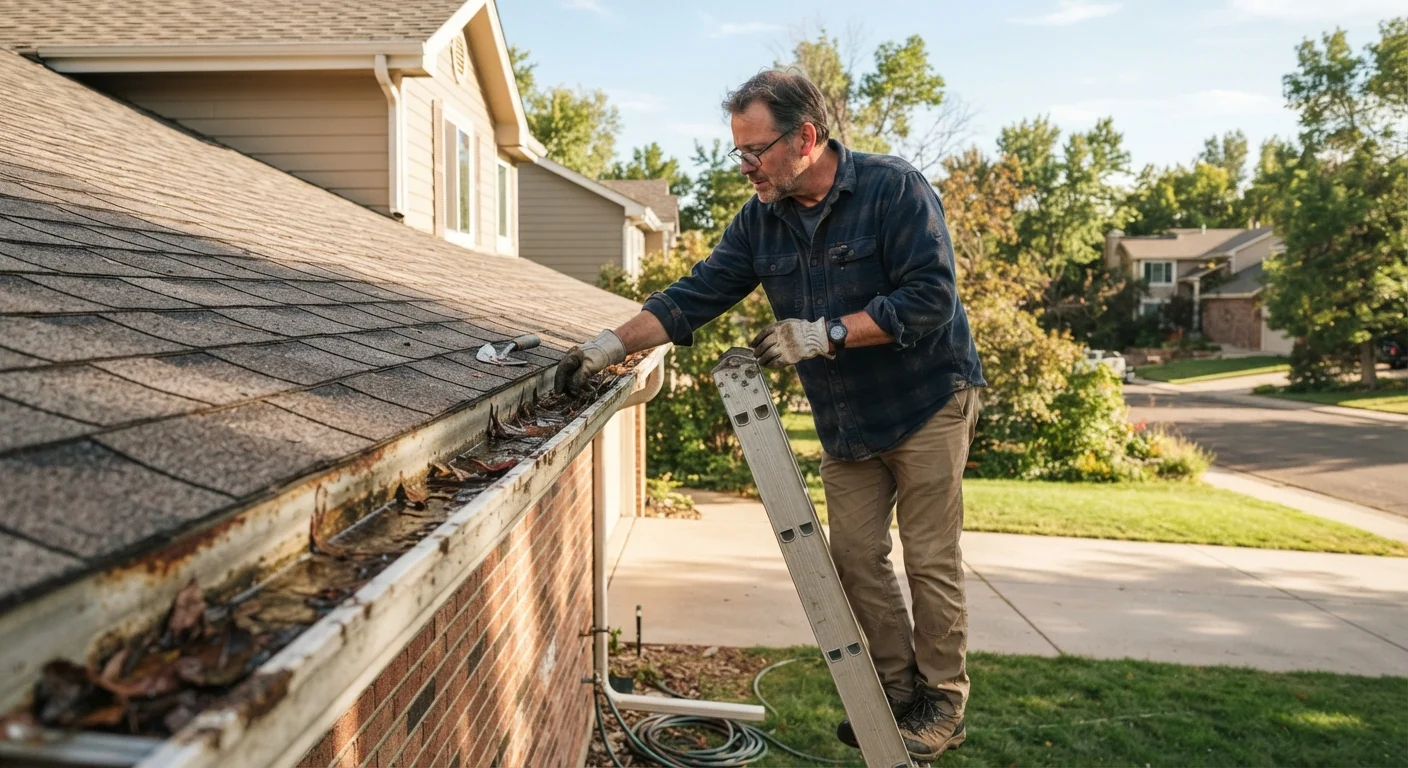
Most household budgets carve out lines for utilities, groceries, and insurance - but maintenance often gets lumped into a vague "miscellaneous" bucket until something breaks. That reactive approach almost always costs more than a proactive one. A slow roof leak ignored for two seasons can escalate from a simple flashing repair into rotted decking, damaged insulation, and potential mold remediation. The original fix might have run a few hundred dollars; the cascade can reach into the thousands.
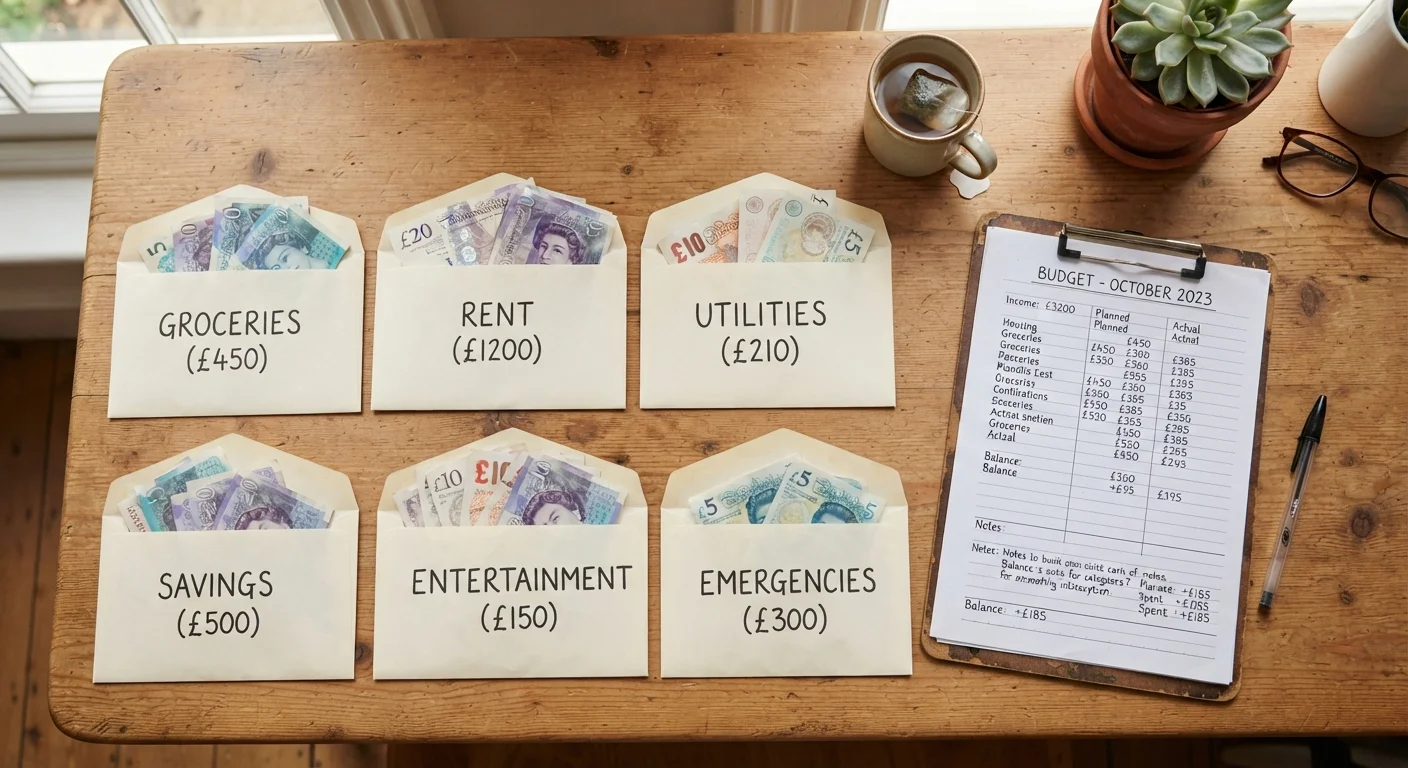
Financial planners commonly suggest setting aside roughly 1-2% of a home's value per year for maintenance and upkeep, though actual costs vary widely by home age, climate, and condition. Treating that figure as a true budget line - not a rainy-day afterthought - is the first step toward spending smarter. For a fuller picture of how maintenance fits into your overall finances, see our household budgeting roadmap.
This Is General Information, Not a Home Inspection
The guidance here is educational and intended to help you think through priorities - it is not a substitute for a professional home inspection or licensed contractor assessment. Conditions vary significantly by home age, construction type, local climate, and local building codes. Always consult qualified professionals for safety-related or code-governed work.
Triage: Which Problems Cannot Wait
Not every drip, crack, or squeak carries equal weight. The key question is whether delay will compound the damage - and by how much. Certain categories consistently punish procrastination:
- Water intrusion - leaky roofs, failed window seals, and foundation cracks allow moisture in, which degrades structure and invites mold growth quickly.
- Electrical issues - flickering circuits, warm outlet covers, or breakers that trip repeatedly are safety hazards that should be evaluated by a licensed electrician without delay.
- HVAC inefficiency - a dirty filter or failing capacitor strains the whole system; a $20 filter swap can prevent a $1,500 compressor replacement.
- Pest entry points - gaps around pipes, vents, or siding give rodents and insects access. Sealing them early is far cheaper than extermination plus structural repair.
Compare this to cosmetic issues - faded paint, worn weatherstripping on an interior door, a sticky cabinet hinge - which can be scheduled for a low-cost weekend project without meaningful risk of escalation.
Address water intrusion within days, not weeks.
Water damage compounds faster than almost any other home problem. Moisture that sits behind walls or under flooring breeds mold, weakens framing, and can require full remediation rather than a simple repair. Acting within the first week of noticing a leak dramatically limits the damage footprint.
Replace HVAC filters on a set schedule, not when you remember.
A clogged filter forces the blower motor to work harder, shortening the life of the entire system and driving up energy costs. Regular replacement is one of the highest-return maintenance habits available to any homeowner.
Get at least two written estimates before hiring any contractor for major work.
Pricing for the same repair can vary by 40% or more between contractors. Written estimates also clarify scope, materials, and warranty terms, reducing the chance of disputes or hidden charges after work begins.
Keep a simple home maintenance log with dates and costs.
A running record of what was repaired, replaced, or serviced helps you track warranty periods, identify recurring problems, and provide documentation at resale. It also makes budgeting more accurate each year because you have real cost history rather than estimates.
Seal exterior gaps and cracks every two to three years as a baseline.
Caulk and sealant around windows, doors, and penetrations degrades with UV exposure and temperature swings. Reapplying on a regular cycle prevents air leakage, moisture infiltration, and pest entry - three problem categories that all carry steep remediation costs.
The DIY Line: Knowing When to Call a Pro
Doing work yourself can cut costs significantly, but the savings disappear fast when an amateur repair causes secondary damage or fails inspection. A general rule: if the task involves the main electrical panel, gas lines, load-bearing structure, or connections to municipal plumbing, hire a licensed professional. Many jurisdictions also require permits for these categories - skipping one can create problems at resale. Our guide on when home work requires a permit lays out the specifics.
For everything else, the decision usually comes down to skill level, tool availability, and the consequence of getting it wrong. Painting, caulking, replacing fixtures, patching drywall, and installing ceiling fans are tasks most capable adults can learn. Our DIY vs. contractor guide walks through how to make that call systematically.
Building a Seasonal Maintenance Rhythm
The most cost-effective maintenance approach is a predictable seasonal cadence rather than crisis response. A simple checklist reviewed four times a year keeps small issues visible. Consider these categories by season:
- Spring
- Inspect the roof and gutters after winter; check for foundation cracks caused by freeze-thaw cycles; service the air conditioning system before peak heat.
- Summer
- Caulk windows and doors; check attic ventilation; trim trees away from the roofline before storm season.
- Fall
- Clean gutters after leaf drop; have the furnace serviced; check weatherstripping and insulation. Our weatherproofing guide covers this in depth.
- Winter
- Monitor for ice dams; insulate exposed pipes in unheated spaces; test smoke and carbon monoxide detectors.
Pairing this rhythm with an annual review of your home improvement priorities - using a resource like our home improvement hub - helps you sequence larger projects logically and avoid costly rework. See also the renovation sequence that prevents costly rework for how the order of projects matters.
1-2%
Of home value recommended for annual maintenance
Financial planners and housing researchers commonly cite this range as a baseline, with older homes and harsher climates often falling at the higher end.
40%+
Potential price variation between contractor estimates
Consumer advocacy research consistently shows significant pricing spread for identical repair scopes depending on the contractor, region, and timing.
3x
Typical cost multiplier when water damage is left untreated
Industry restoration data suggests that water intrusion remediation costs rise substantially for each month a leak goes unaddressed, particularly once mold is involved.