The Same Car, Wildly Different Numbers
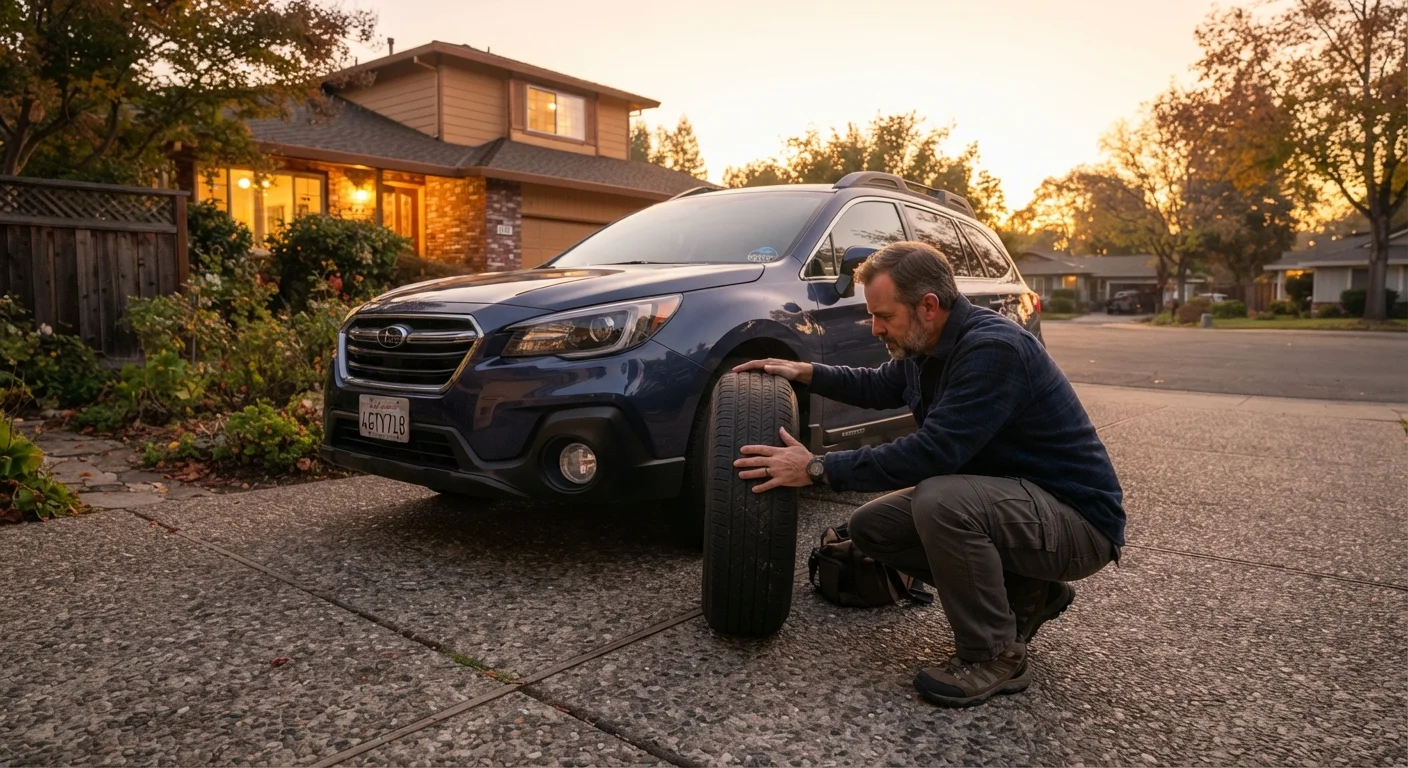
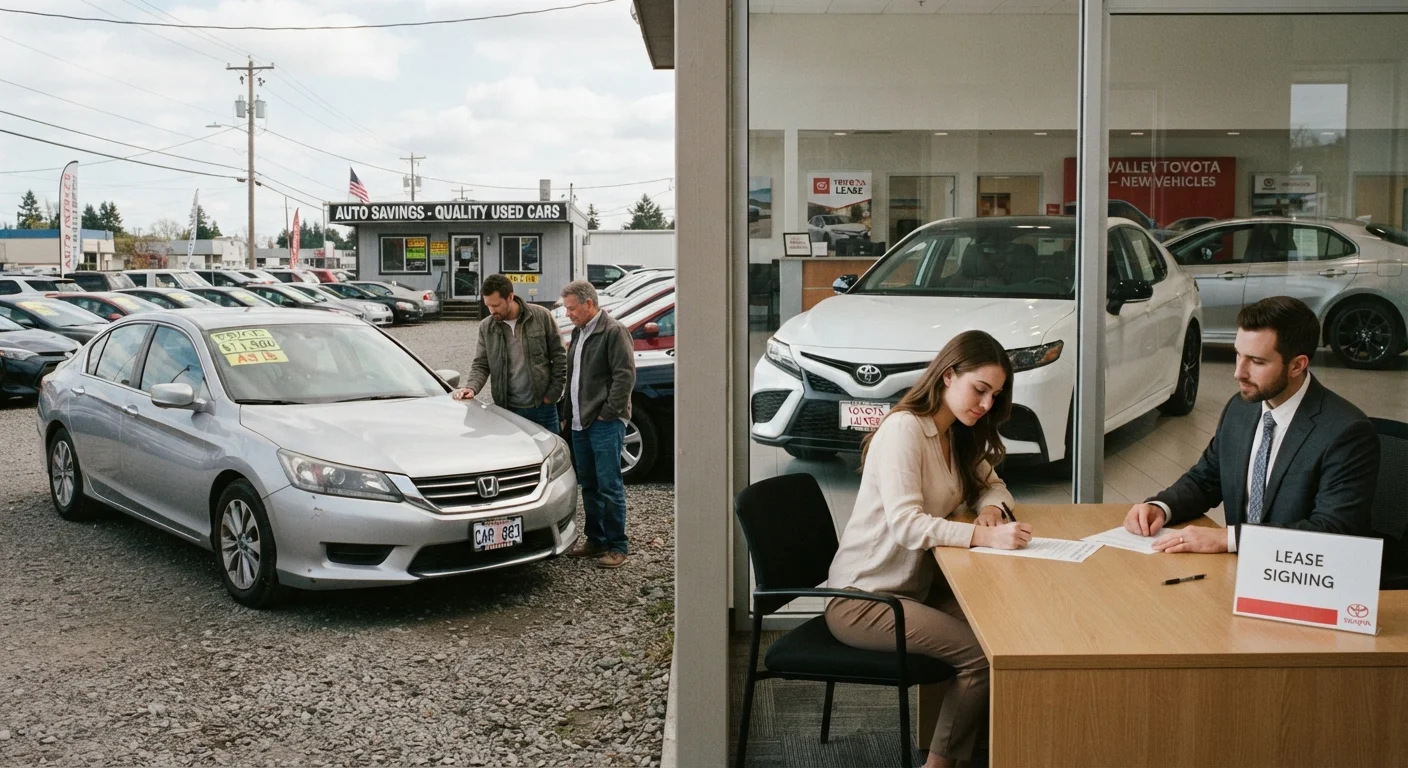
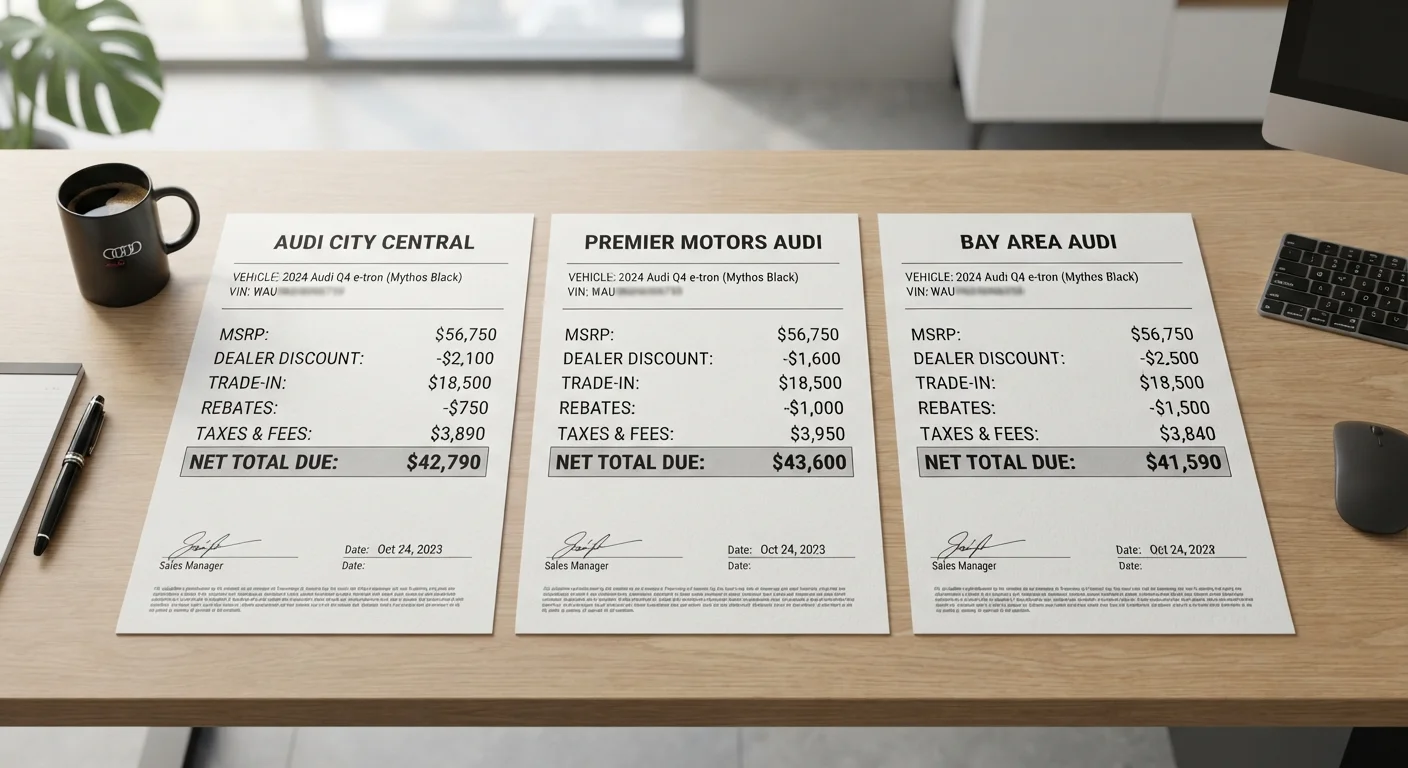
You take your car to three dealerships. The first offers $14,500. The second comes in at $16,200. The third says $12,800. Nothing about the car changed between stops - so why the gap?
The short answer: a trade-in offer is not a neutral assessment of your vehicle's worth. It is a business decision made by that specific dealer, on that specific day, based on factors that have as much to do with them as with your car. Understanding those factors is the first step toward walking in prepared rather than surprised.
For a broader view of how trade-in fits into the full arc of vehicle ownership, see our complete roadmap from purchase to trade-in.
What Dealers Actually Look at When They Appraise Your Car
When a used-car manager walks around your vehicle, they are mentally building a profit-and-loss estimate. Several variables go into that calculation:
- Reconditioning costs: Every used vehicle needs work before it can go on the lot - detail cleaning, minor repairs, possibly new tires or brakes. One appraiser may estimate $800; another may flag $2,200 in needed work. That difference comes straight out of your offer.
- Current lot inventory: A dealer who already has six similar vehicles sitting unsold has little incentive to pay top dollar for a seventh. A dealer short on that segment will bid more aggressively.
- Local resale demand: Pickup trucks move fast in rural markets; compact sedans may sit longer. Dealers price offers against what they believe they can retail the car for within 30-60 days.
- Wholesale market benchmarks: Dealers reference auction price indexes to estimate what they could recover if they send the car to wholesale rather than retail it themselves. A strong auction market for your model supports a higher offer.
$1,000-$5,000+
Typical range of trade-in offer variation
Industry observers and consumer finance analysts consistently report this spread across dealerships for the same vehicle in comparable condition.
30-60 days
Target days-to-sell for dealer used inventory
Most dealers aim to retail a used vehicle within this window; if your car fits a gap in fast-moving inventory, offers tend to be stronger.
3+
Recommended minimum number of appraisals
Consumer advocates and automotive finance educators generally recommend obtaining at least three competing offers before accepting any trade-in.
None of these calculations are standardized across dealerships, which is why the spread between offers can be substantial.
How to Use Variability as Leverage
The variability that seems frustrating actually works in your favor - if you collect multiple offers before committing to anything.
Get Offers Before You Shop for Your Next Car
Collect written trade-in appraisals before you visit the dealership where you plan to buy. Once you've expressed strong interest in a specific vehicle, your bargaining position on the trade weakens. Independent appraisals from dealers you're not buying from - or from online buying services - give you documented numbers that are harder to dismiss at the negotiating table.
Approach trade-in appraisals the same way you'd approach any competitive bid situation. Visit dealers you are not planning to buy from as well, because their offers are still useful as reference points. Online vehicle buying services can also provide written conditional offers, which function as a credible floor number you can show other dealers.
Keep the trade-in negotiation separate from the purchase price discussion. Dealers often present both as a single monthly payment figure, which makes it difficult to evaluate either transaction clearly. Ask for a written trade-in offer before any conversation about the car you plan to purchase. Our article on negotiating a car price effectively explains how to structure that conversation.
If you want to understand how the trade-in route compares to selling your vehicle privately, our analysis of private party sale vs. dealership trade-in lays out the real trade-offs in time, effort, and money.
Preparing Your Vehicle to Maximize the Appraisal
You cannot control what a dealer needs in their inventory, but you can control what they see when they inspect yours.
A clean, well-documented vehicle signals lower reconditioning risk to the appraiser - which translates into a more favorable estimate. Gather your maintenance records, address any minor cosmetic issues that are inexpensive to fix (cracked windshield, worn floor mats), and know your vehicle history report before the dealer pulls it. Surprises cost you negotiating credibility.
For a structured approach to valuing your vehicle before you walk into any dealership, see our used car valuation walkthrough.