The Structure: A 17-Character Map
A VIN isn't random. It's divided into three logical sections, each with a defined purpose. Understanding the layout lets you extract meaningful information without any special tool.
- World Manufacturer Identifier (WMI) - Characters 1-3: The first character indicates the country of final assembly. For example, '1', '4', and '5' signal the United States; 'J' indicates Japan; 'W' indicates Germany. The second character identifies the manufacturer, and the third narrows it to the vehicle type or division.
- Vehicle Descriptor Section (VDS) - Characters 4-8: These five characters are manufacturer-defined and encode the vehicle's attributes - typically body style, engine type, model line, and restraint system (airbag/seatbelt configuration). The exact meaning varies by automaker, but this section is why a VIN can confirm whether a vehicle has a V6 or V8, or whether it left the factory with dual front airbags.
- Vehicle Identifier Section (VIS) - Characters 9-17: This section makes each VIN unique. Character 9 is the check digit (see below). Character 10 encodes the model year using a standardized key - for instance, 'A' represents 1980, 'K' represents 1989, and the sequence cycles forward. Character 11 identifies the assembly plant. Characters 12-17 are the sequential production number assigned as the vehicle came off the line.
17
Characters in a standardized VIN
The 17-character format has been mandatory for all US-sold vehicles since model year 1981, per NHTSA regulation.
3
Letters excluded from VIN format
The letters I, O, and Q are intentionally omitted from the VIN alphabet to prevent confusion with the digits 1 and 0.
Position 10
VIN character that encodes model year
A standardized alphanumeric key maps each character in position 10 to a specific model year, cycling across designated letters and digits.
The Check Digit: A Built-In Fraud Detector
Position 9 exists for one reason: verification. The NHTSA check-digit algorithm assigns a numeric weight to each of the 17 positions, multiplies the value of each character by its weight, sums all the results, and divides by 11. The remainder must match the check digit. If it doesn't, the VIN is invalid - either a transcription error occurred or the number was deliberately altered.
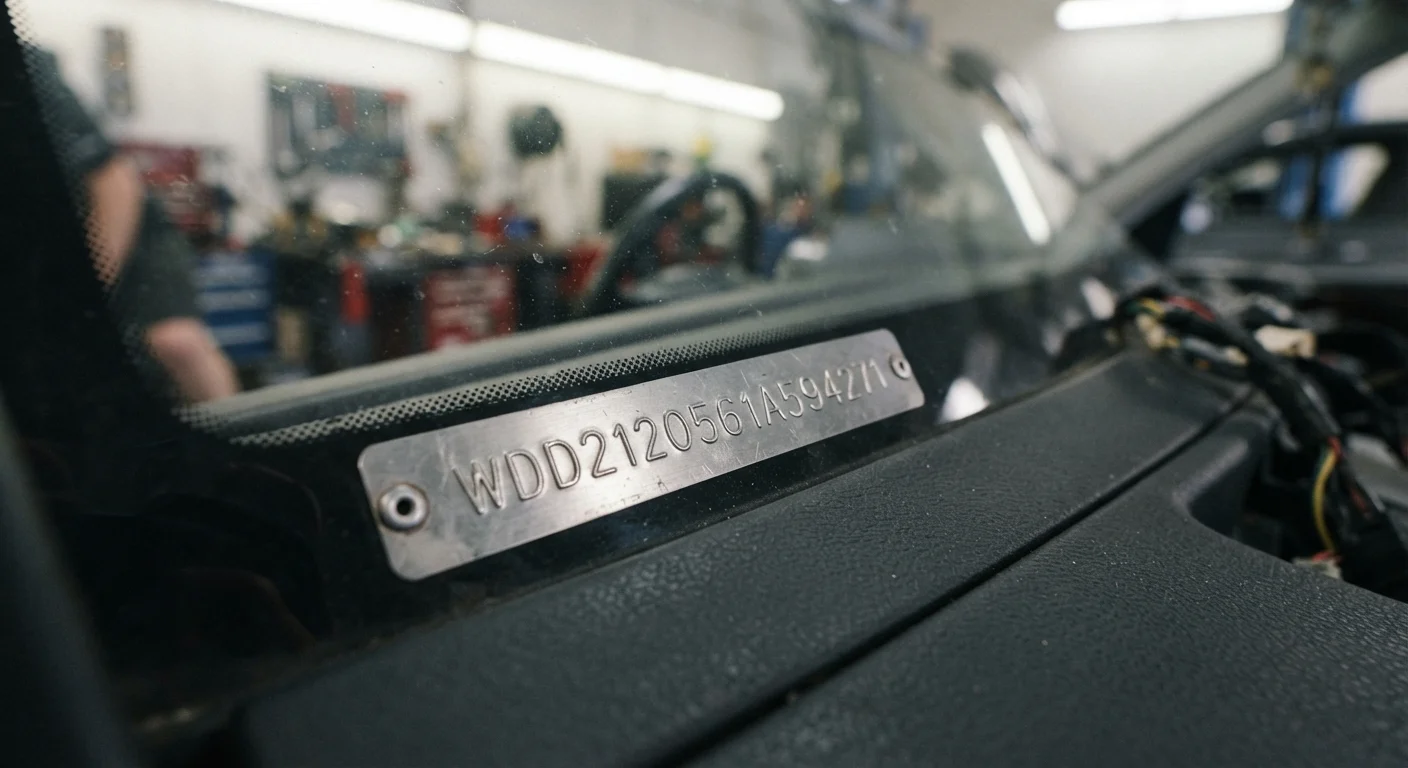
This matters most when buying a used vehicle. A VIN that fails the check-digit test is a serious warning sign. Thieves and fraudsters sometimes alter VINs to hide a vehicle's true identity or origin. Cross-checking the VIN stamped on the dashboard against the door jamb plate and the engine bay stamp (where present) can reveal mismatches that deserve further investigation.
Quick Check Before Buying Used
Before finalizing any used vehicle purchase, physically locate the VIN in at least two places - the dashboard plate and the door jamb sticker - and confirm they match. Then run the number through NHTSA's free decoder and recall lookup tool. This five-minute step can surface issues that aren't visible during a test drive.
Why Your VIN Is a Practical Ownership Tool
Beyond its regulatory function, the VIN is directly useful for everyday car ownership decisions.
Recall Lookups
NHTSA's free recall database at recalls.nhtsa.dot.gov accepts a VIN and returns all open safety recalls affecting that specific vehicle. A recall may never show up in a paper trail, but it will appear here. Checking this before purchasing a used vehicle - or periodically for your current one - takes under a minute.
Accurate Parts Ordering
Two cars that look identical off the same production line may have different engines, transmission configurations, or trim levels. Parts counters at dealerships and independent suppliers use the VIN to confirm exact fitment. Relying on the year, make, and model alone can result in receiving a part that doesn't fit your specific vehicle.
History Reports
The VIN is the index key for any vehicle history report. Services that aggregate title records, odometer disclosures, insurance claims, and auction histories all query by VIN. Understanding what a report can and cannot reveal is a separate skill - see our guide on how to read a vehicle history report for a full breakdown. Keep in mind that even a clean history report has limits, which our article on what a vehicle history report can and cannot tell you covers in detail.
Insurance and Title Work
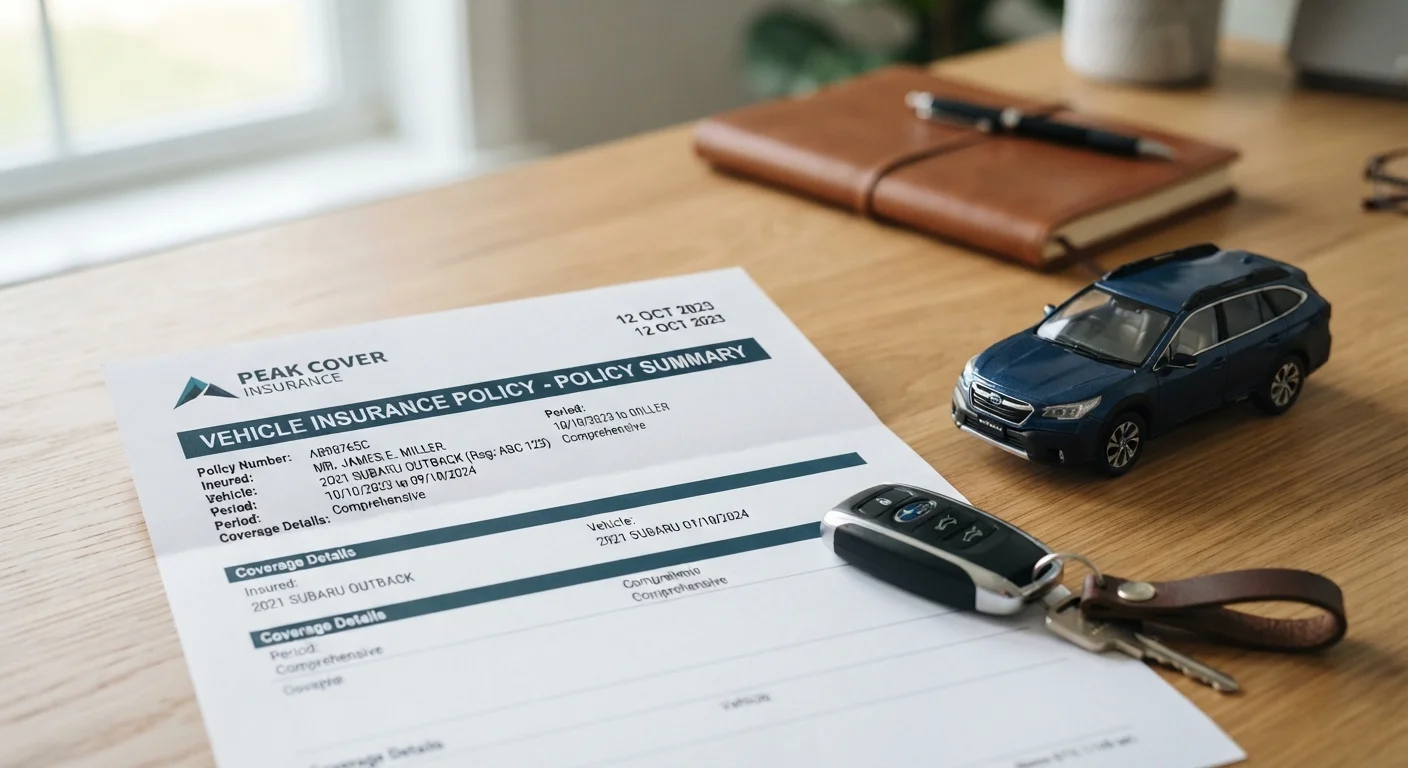
Every insurance policy, title document, and registration is tied to a VIN. Verifying that the VIN on your paperwork matches the physical plates on the vehicle is a routine step that catches clerical errors before they become legal headaches - especially important during a private-party sale. If you're in the middle of the broader purchase process, our overview of the full lifecycle of a car transaction walks through where the VIN fits into each stage.
Common Misconceptions About VINs
A few persistent misunderstandings are worth clearing up.
VINs Encode Origin, Not History
A VIN tells you what a vehicle was when it left the factory - not what happened to it afterward. Accident damage, flood exposure, title brandings, and odometer discrepancies are tracked in external databases using the VIN as a reference key, not stored within the VIN itself. Always pair a VIN decode with a history report when evaluating a used vehicle.
A VIN doesn't change with ownership. No matter how many times a vehicle is sold or registered in a new state, the VIN stamped into the chassis remains the same. What changes are the title and registration records attached to it.
Pre-1981 vehicles follow different rules. The 17-character standard only applies to vehicles manufactured from model year 1981 onward. Older vehicles may have shorter VINs that follow manufacturer-specific formats, and decoding them requires consulting marque-specific resources.
The VIN on the window sticker is the same one on the car. When buying new, the Monroney sticker - the window sticker required by federal law - includes the VIN. You can cross-reference our guide on reading a window sticker to see exactly where it appears among the other line items.